
Beautiful Plants For Your Interior
Beautiful Plants For Your Interior
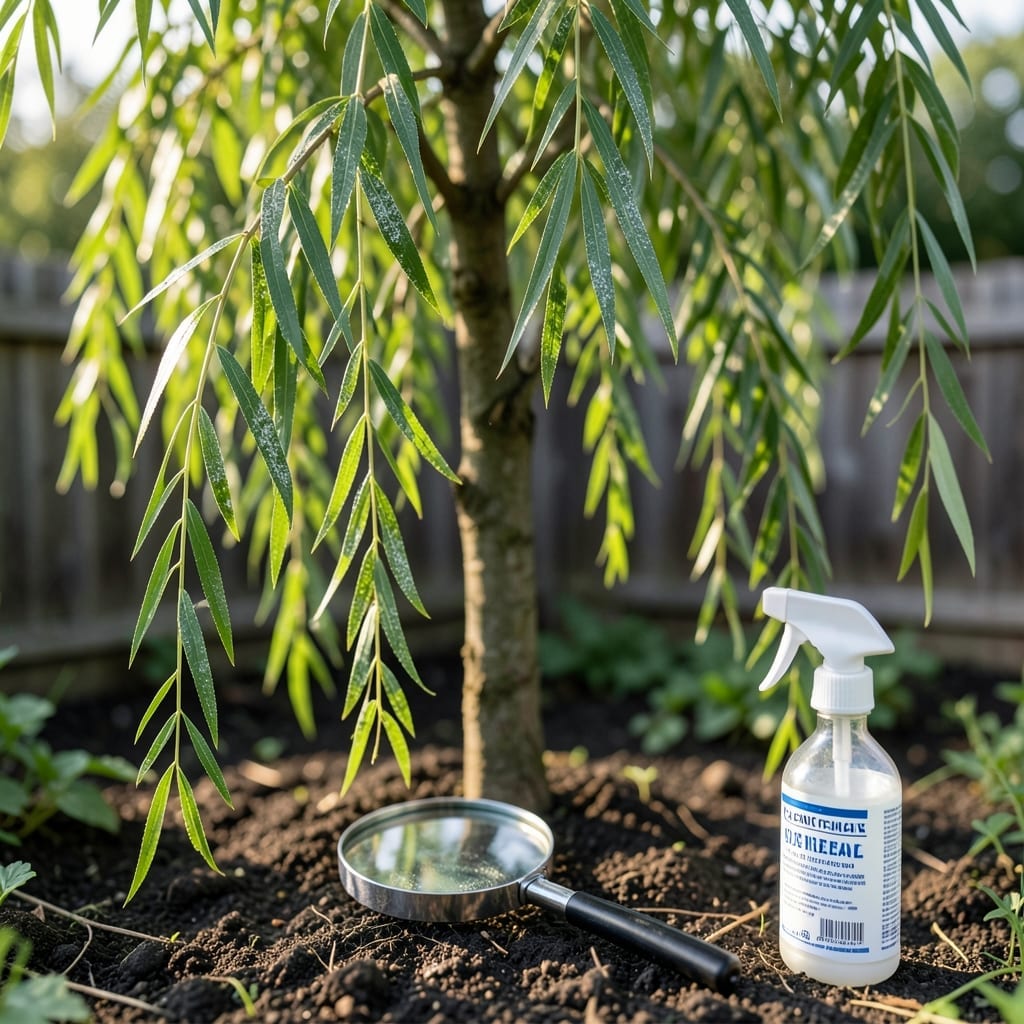
That weeping willow in your yard might be hiding trouble. Dark spots, powdery coatings, or wilting leaves often signal fungal issues that can spread fast if ignored.
I’ve seen healthy willows decline in one season when fungus takes hold, but early action makes all the difference. Prevention starts with airflow, proper watering, and keeping the area clean around the base.
Treatment isn’t complicated—just consistent. Remove infected parts, apply the right fungicide, and monitor closely. Most trees bounce back stronger when caught early.
This approach works for mature trees and young saplings alike. Here’s how to spot, stop, and prevent the most common fungal threats.
Fungal growth on willow trees is often a sign of underlying issues. Understanding the root causes helps in effective prevention and treatment.
Willow trees thrive in wet environments, but prolonged waterlogging or poor drainage creates ideal conditions for fungi like Phytophthora or Armillaria. Overwatering or heavy clay soils trap moisture around roots, suffocating them and inviting fungal spores to take hold. Ensure proper drainage and avoid over-irrigation.
Dense canopies or crowded plantings restrict airflow, leading to high humidity pockets where fungi flourish. Prune nearby vegetation and thin out branches to improve ventilation. This reduces leaf wetness, a key factor in spore germination.
Fallen leaves, dead branches, or untreated wounds provide nutrient-rich breeding grounds for fungi. Regularly remove debris around the tree and sterilize pruning tools to prevent spore spread. Fungi like Ganoderma often enter through decaying wood.
Weakened trees attract boring insects (e.g., beetles), which create entry points for fungal pathogens. Monitor for pests and treat infestations promptly to maintain tree vigor. Healthy trees resist fungal attacks better.
Tackling fungus on your willow tree starts with identifying the issue and taking swift action. Below are targeted solutions for common fungal problems, paired with prevention tips to keep your tree thriving.
Fix: Spray affected leaves with a mix of 1 tablespoon baking soda + 1 teaspoon dish soap + 1 gallon of water. Apply weekly until the fungus clears. For severe cases, use a neem oil solution (2 tablespoons neem oil + 1 gallon water) every 7–10 days.
Prevention: Improve air circulation by pruning dense branches. Water at the base to keep leaves dry, and avoid overhead watering in humid weather. 💡 Pro tip: Plant mildew-resistant willow varieties if your area is prone to this issue.
Fix: If the soil is waterlogged, stop watering immediately and let it dry out. Remove any darkened, mushy roots and treat the remaining healthy roots with a copper-based fungicide. Repot or replant in fresh, well-draining soil.
Prevention: Ensure proper drainage by amending heavy clay soil with compost or sand. Use raised beds if your yard retains too much moisture. 🌡️ Monitor soil moisture with a meter—willows prefer moist but not soggy conditions.
Fix: Remove and destroy infected leaves to prevent spread. Apply a fungicide containing chlorothalonil or copper according to package instructions. Repeat every 2 weeks until spots disappear.
Prevention: Rake up fallen leaves in autumn to eliminate overwintering spores. Space trees adequately to reduce humidity around foliage. ✨ Sanitize pruning tools with rubbing alcohol after each use.
Early intervention is key—regularly inspect your willow for signs of trouble, and act at the first hint of fungus!
Look for dark spots on leaves, white powdery coatings, or wilting branches. Early detection makes treatment much easier and more effective.
Yes, a mix of 1 tablespoon baking soda + 1 gallon water works well for mildew. For severe cases, try neem oil every 7-10 days. Always test on a small area first.
Improve drainage, remove fallen leaves, and prune for better airflow. Healthy trees with good circulation resist fungal attacks better.
No, never compost diseased plant material. This can spread spores to other plants. Bag and dispose of infected leaves in the trash instead.