
Beautiful Plants For Your Interior
Beautiful Plants For Your Interior
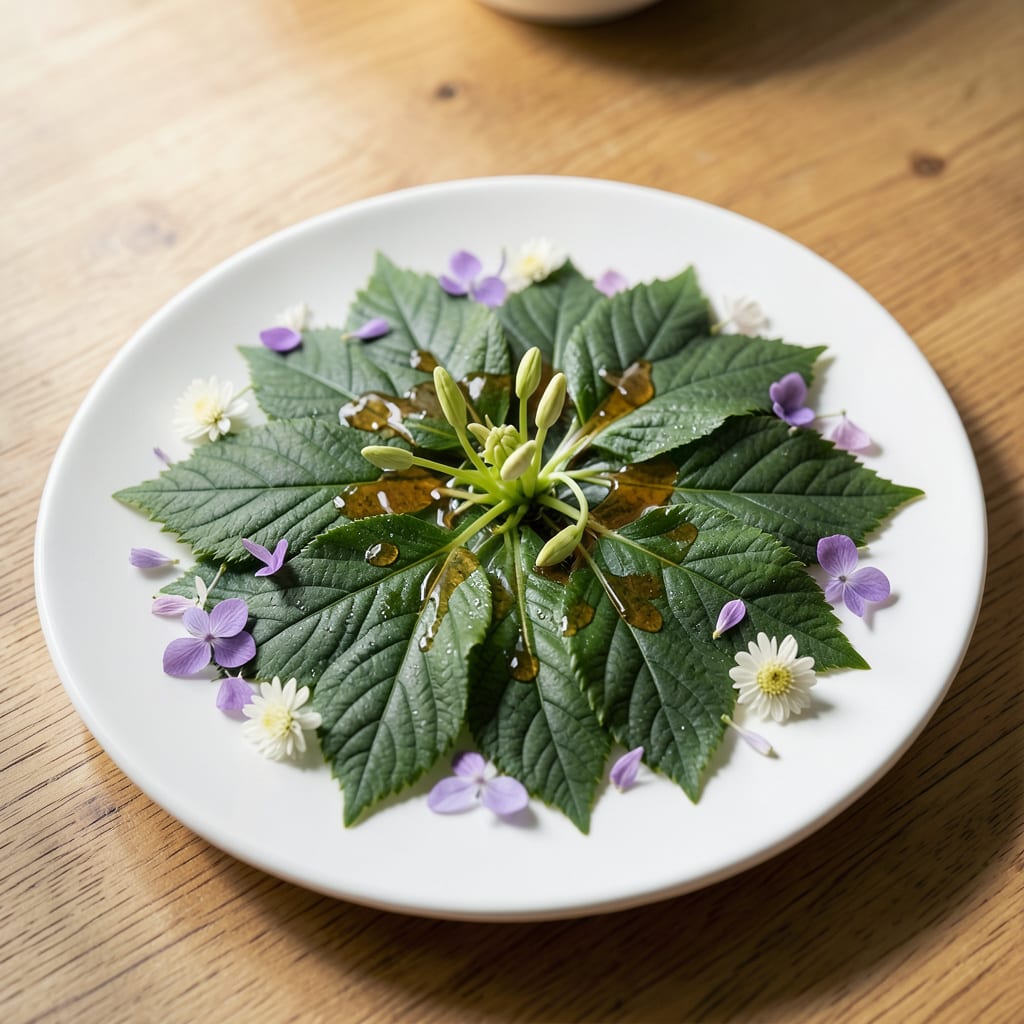
Sweet autumn clematis leaves bring late-season magic to any garden. I was skeptical about its vigorous growth until I saw its lush green foliage transform a bare fence into a living wall within months.
With proper care, you’ll get vibrant leaves that stay healthy through summer and burst into fragrant white blooms in fall. The secret is consistent moisture and the right support structure from day one.
📚 In This Guide
Here’s how I keep my vines thriving with lush foliage through every season.
As soon as new shoots appear in early spring, I apply a balanced 10-10-10 fertilizer around the base of the vine. This gives the plant the nutrients it needs to push out fresh, healthy leaves. Work the fertilizer gently into the top 1-2 inches of soil, taking care not to damage emerging growth.
Water deeply after feeding to help the nutrients reach the root zone. You’ll see the leaves respond within 2-3 weeks with richer color and more vigorous growth. If the foliage looks pale or weak, it’s a sign the plant needs another light feeding.
During hot summer months, clematis leaves can scorch or wilt if the soil dries out. I water deeply at the base 2-3 times per week, ensuring the soil stays consistently moist but never soggy. A 2-inch layer of mulch around the roots helps retain moisture and keeps the soil temperature stable.
Check the soil by sticking your finger in 1 inch deep—if it feels dry, it’s time to water. Morning watering is best to prevent fungal issues on the leaves. Yellowing or crispy edges on the foliage usually mean the plant is stressed from either too much or too little water.
Sweet autumn clematis blooms on new wood, so I prune mine back hard in late winter or early spring before new growth starts. Cut the vines down to 12-18 inches from the ground to encourage strong, healthy stems and fresh leaves. This also improves airflow, which reduces the risk of leaf diseases.
If you notice leaves turning brown or developing spots, it could be a sign of poor circulation. Thin out any overly dense growth to let light and air reach the center of the plant. Always sterilize your pruners with rubbing alcohol between cuts to avoid spreading disease.
After the first frost, I trim back any dead or damaged foliage to keep the plant tidy. However, I leave some healthy growth intact to protect the roots during winter. A light layer of mulch or compost around the base adds insulation against freezing temperatures.
In colder climates, consider wrapping the base of the vine with burlap for extra protection. By spring, you’ll see new leaves emerging from the protected crown, ready to climb and flourish.
Keep an eye on the leaves for signs of trouble, like holes from caterpillars or white powdery residue from mildew. I inspect my vines weekly during the growing season, especially after rain. If I spot aphids or other pests, a strong spray of water often knocks them off.
For fungal issues, remove affected leaves immediately and avoid overhead watering. A preventative spray of neem oil can help, but I’ve found that good airflow and proper spacing are the best defenses for keeping the foliage healthy.
Small adjustments to your care routine can make a big difference in leaf health and vine vigor.
Feeding Precision: When applying the 10-10-10 fertilizer in Step 1, work it into only the top 1-2 inches of soil as instructed. Going deeper wastes nutrients where roots can’t access them yet, while shallow application risks runoff. Water immediately after to activate the fertilizer and prevent root burn.
Watering Wisdom: For Step 2’s summer watering schedule, that 2-3 times per week is a guideline—not a rule. Check soil moisture 1 inch deep as directed; if it’s dry, water even if it’s not the usual day. Morning watering is non-negotiable to prevent fungal issues on the leaves.
Pruning Perfection: In Step 3, cutting back to 12-18 inches might seem drastic, but this hard pruning is exactly what triggers the vigorous new growth that produces those lush leaves. Sterilizing pruners between cuts isn’t just good practice—it’s how you prevent spreading diseases that could ruin all your efforts.
Seasonal Observation: Step 5’s weekly inspections are your best defense against pests and diseases. I learned the hard way that catching aphids or powdery mildew early means the difference between a quick fix and a season-long battle for healthy foliage.
Yellow leaves often signal overwatering or poor drainage. Check soil moisture and ensure proper drainage. Nutrient deficiencies or excessive sun can also cause this—adjust care as needed.
Prune in late winter or early spring before new growth starts. This plant blooms on new wood, so trimming old growth encourages fresh, vibrant foliage and flowers.
Yes! Use a large container with well-draining soil and a trellis for support. Ensure it gets full sun to partial shade and regular watering to keep leaves lush and healthy.
Avoid overhead watering to reduce fungal issues. Remove affected leaves promptly and apply a fungicide if needed. Good air circulation and proper spacing help prevent leaf spots.
