
Beautiful Plants For Your Interior
Beautiful Plants For Your Interior
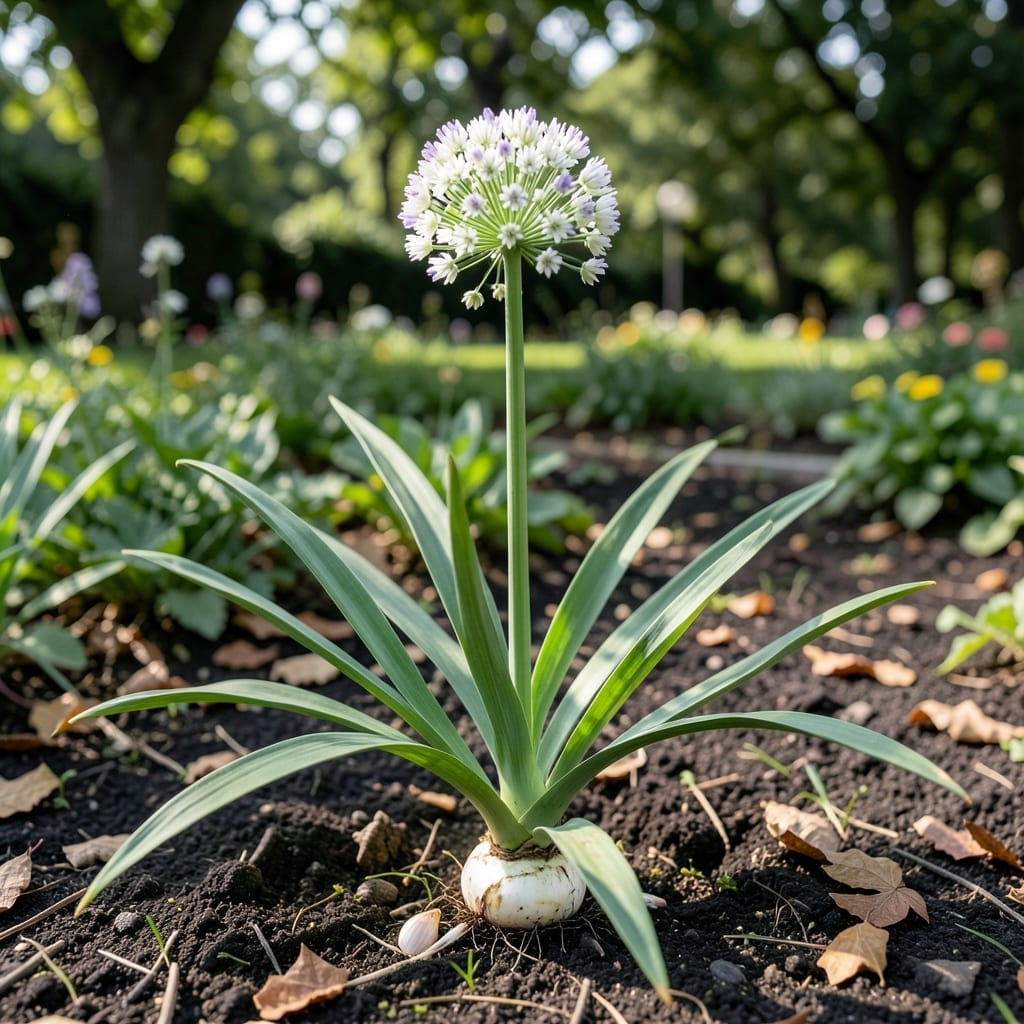
Wild garlic and wild onion flowers bring a touch of untamed beauty to any garden. I first spotted them growing along a wooded path, their delicate white blooms standing out against the green.
These plants thrive in partial shade with moist, well-drained soil, making them perfect for those tricky spots where other flowers struggle. They spread naturally, creating a lush ground cover over time.
You’ll love how their fragrant flowers attract early pollinators, while the foliage adds texture to borders or wild garden areas. They’re low-maintenance once established.
Foraging or growing, they’re a versatile addition. Just be sure to plant them where they can wander—they’ll reward you with seasonal charm and a touch of wilderness.
Understanding why wild garlic and wild onion flowers appear so readily in certain environments comes down to their biological and ecological advantages. Here’s a breakdown of the primary causes:
These plants are perennial geophytes, meaning they store energy in underground bulbs. This allows them to regrow quickly each season, even in less-than-ideal conditions. Their ability to self-propagate through bulb offsets and seeds ensures they spread efficiently, often forming dense colonies in woodlands, meadows, and disturbed soils.
Wild garlic and wild onion thrive in moist, shaded, and nutrient-rich soils, commonly found in deciduous woodlands. They prefer cool, temperate climates and often emerge in early spring before tree canopies fully develop, taking advantage of available sunlight. Their tolerance for partial shade and ability to grow in clay or loamy soils further expand their habitat range.
These plants contain sulfur compounds (like allicin), which act as a natural defense against pests and herbivores. This chemical protection reduces the need for ideal growing conditions, allowing them to flourish even in areas with high deer or insect activity.
Seeds and bulb fragments can be unintentionally spread by animals, gardeners, or even water flow. Their hardy nature means they can establish themselves in new locations with minimal effort, contributing to their widespread presence in both wild and cultivated settings.
Growing wild garlic or wild onion flowers can be rewarding, but a few common problems may arise. Here’s how to tackle them with simple, effective fixes.
If your wild garlic or onion patch is spreading too aggressively, thin the plants in early spring. Gently dig up excess bulbs and replant them in a new area or share with fellow gardeners. Prevention tip: Plant in containers if you want to control their spread. 💡
Yellow leaves often signal overwatering or poor drainage. Reduce watering and ensure the soil is well-draining. If the issue persists, check for fungal infections and treat with an organic fungicide. Prevention tip: Water only when the top inch of soil is dry. 🌡️
Aphids and onion maggots can damage foliage. Spray plants with neem oil or insecticidal soap to deter pests naturally. For severe infestations, remove affected plants to prevent spreading. Prevention tip: Rotate crops and encourage beneficial insects like ladybugs. ✨
If your wild garlic or onion flowers aren’t blooming, they may need more sunlight or nutrient-rich soil. Relocate plants to a sunnier spot and amend the soil with compost. Prevention tip: Fertilize lightly in early spring with a balanced organic fertilizer. 🎯
With these straightforward solutions, you’ll keep your wild garlic and onion flowers thriving all season long!
Yes! Both wild garlic and wild onion flowers are edible and add a mild, sweet flavor to dishes. Use them fresh in salads, as garnishes, or infused in vinegars for a unique twist.
Early spring is ideal, just as the flowers begin to bloom. Look for them in moist woodlands or shaded areas. Avoid harvesting near roadsides to prevent contamination.
Crush a leaf—if it smells like garlic or onion, it’s safe. Toxic plants like lily of the valley lack this scent. Always double-check with a field guide before consuming.
They prefer partial shade but can tolerate morning sun. In hotter climates, provide afternoon shade to prevent scorching.