
Beautiful Plants For Your Interior
Beautiful Plants For Your Interior
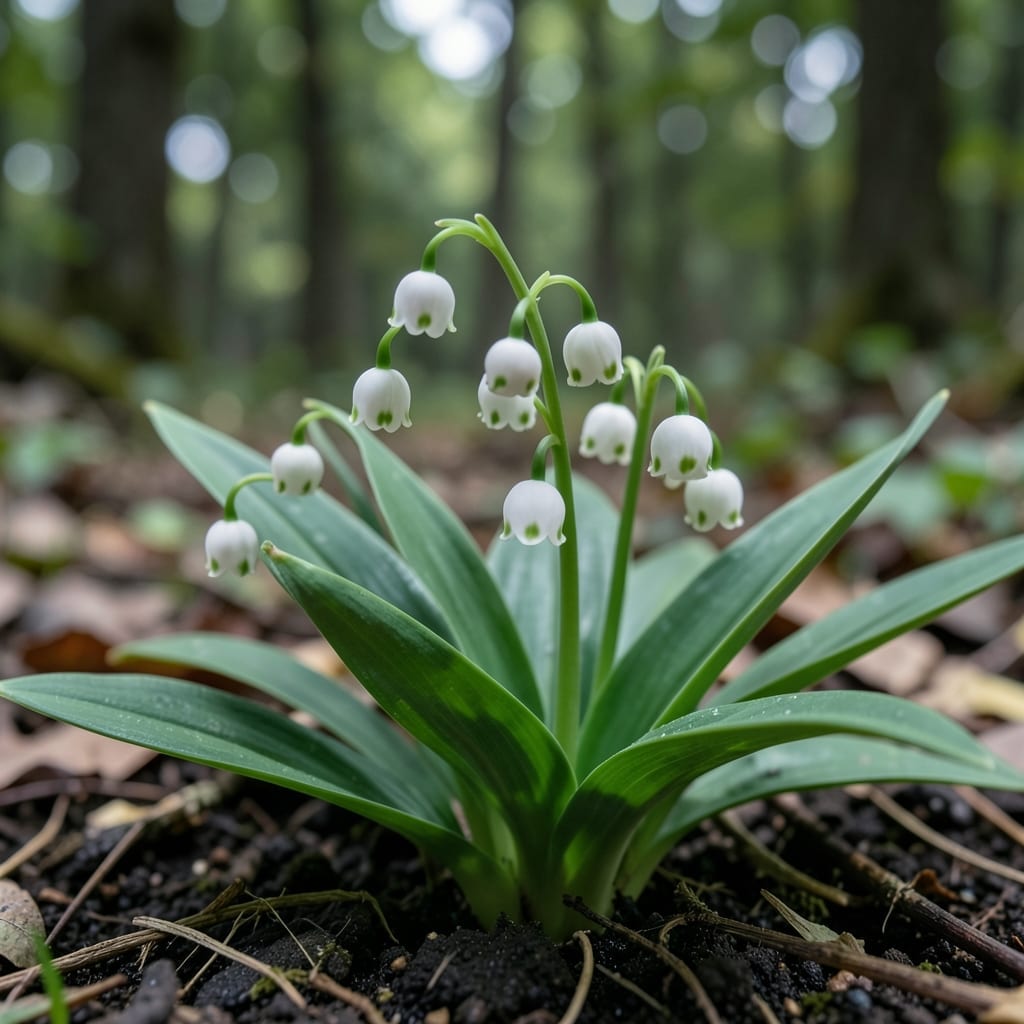
I remember the first time I planted Lily Of The Valley 🌸 in full sun, only to watch its delicate blooms wilt within days. It was a costly lesson about this plant’s finicky nature.
Getting the light conditions right is the key to growing healthy, fragrant Lily Of The Valley. Many gardeners don’t realize how much this plant prefers shade over direct sunlight.
Discover how to create the perfect environment for your Lily Of The Valley to thrive, whether you’re planting in zones 3-8 or adjusting for your garden’s unique conditions.
 Best Window Placement
I’ve learned through trial and error that Lily of the Valley thrives in conditions mimicking its natural forest habitat. This plant evolves under the canopy, where dappled sunlight filters through the trees.
In my garden, partial to full shade yields the lushest growth. Direct sunlight, especially in the harsh afternoon, can scorch the leaves and stunt those iconic bell-shaped blooms.
In USDA zones 3-8, I’ve found that morning sun combined with afternoon shade creates the perfect balance. This mimics the natural light cycle of its woodland origins.
The plant’s delicate constitution means it can’t handle the intense heat of full sun, especially in warmer regions. In my experience, 6+ hours of direct sunlight leads to yellowing leaves and reduced flowering.
For gardeners in cooler climates, like the Pacific Northwest, full shade works wonderfully. The plant receives enough ambient light while staying protected from harsh conditions.
I always recommend testing different spots in your garden. Observe how the light moves throughout the day. East-facing locations often provide the gentle morning sun that Lily of the Valley loves.
Remember that soil moisture plays a role too. In shadier spots, the soil stays moist longer, which this plant adores. In sunnier areas, you’ll need to water more frequently to compensate.
The plant’s 30% light tolerance means it needs about 2-4 hours of sunlight maximum. Anything beyond that risks heat stress and poor performance.
In my garden, the most vibrant blooms appear in spots with filtered light through tree canopies. This creates that perfect woodland garden aesthetic while keeping the plants happy. 🌿
I’ve found that Lily of the Valley thrives best with careful placement in my garden. The key is morning sunlight paired with afternoon shade to mimic its natural woodland environment.
In my experience, east-facing beds provide the gentle light this plant loves. I also use companion planting with taller perennials to create natural shade as the day progresses.
✨ Top Sun Optimization Tips
I always watch for signs of sun stress, like brown leaf edges or wilting. These are clear indicators that your Lily of the Valley needs more shade or consistent moisture.
In hotter climates, I’ve had success planting near north-facing walls. This provides bright but indirect light while protecting from intense afternoon rays.
Remember that soil type affects light tolerance. In my garden, plants in rich, moist soil handle a bit more sun than those in drier conditions.
For container gardening, I place pots where they get morning sun then move them to shade. This gives me control over light exposure throughout the growing season.
With these adjustments, I’ve seen my Lily of the Valley produce more blooms and maintain healthier foliage year after year. ☀️