
Beautiful Plants For Your Interior
Beautiful Plants For Your Interior
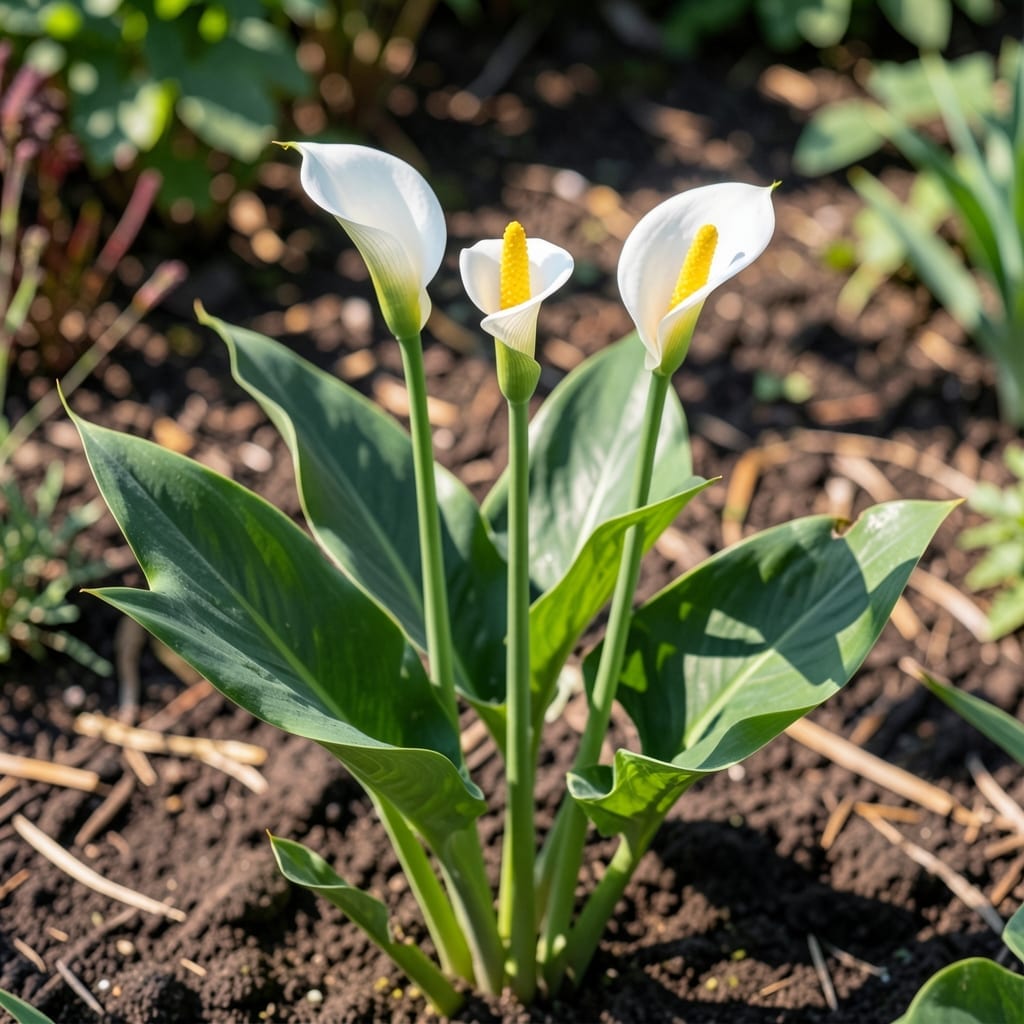
My calla lilies looked healthy but refused to flower last season. It was frustrating to see all that lush foliage with zero blooms to show for it.
Turns out, the most common culprit is light—or rather, the lack of it. These plants need bright, indirect light to trigger flowering, and even a little shade can hold them back.
Then there’s the care routine: too much water, not enough fertilizer, or the wrong temperature can all delay those elegant white spathe we’re waiting for.
Here’s how to troubleshoot each issue and get your calla lilies blooming like they should.
When your calla lily refuses to bloom, the issue often boils down to a few key environmental or care-related factors. Here’s why it happens, broken down by cause:
Calla lilies (Zantedeschia aethiopica) are photophilic—they thrive in bright, indirect light. Without 6-8 hours of daily light, the plant diverts energy to foliage growth instead of flowering. Low light disrupts photosynthesis, reducing the sugars needed for bloom production. East- or west-facing windows are ideal; south-facing may require filtering.
These plants prefer 60-75°F (15-24°C) during the day and a 10°F drop at night to trigger blooming. Consistent warmth above 80°F (27°C) or cold drafts below 50°F (10°C) can halt flower initiation. Temperature fluctuations signal the plant to enter dormancy or focus on survival, not reproduction.
Overwatering leads to root rot, while underwatering causes stress—both prevent blooming. Calla lilies need consistently moist (not soggy) soil during the growing season. Rhizomes (thick underground stems) store energy for flowers; waterlogged soil suffocates them, and drought depletes their reserves.
A lack of phosphorus (the “P” in NPK fertilizer) directly impacts flowering. Too much nitrogen promotes leafy growth at the expense of blooms. Use a balanced liquid fertilizer (10-10-10) or a bloom-specific formula (e.g., 7-9-5) every 2-4 weeks in spring/summer to support flower development.
If your calla lily isn’t blooming, don’t worry—these targeted fixes will help bring those elegant flowers back. Address the most common issues with simple, actionable steps.
Calla lilies need 6–8 hours of bright, indirect light daily to produce blooms. If your plant is in a dim corner, relocate it near an east- or north-facing window. Avoid harsh direct sunlight, which can scorch the leaves. Prevention tip: Rotate the pot weekly to ensure even light exposure.
💡 Pro tip: If natural light is limited, supplement with a grow light for 10–12 hours a day.
Soggy soil or drought stress both hinder blooming. Water when the top 1–2 inches of soil feel dry, and ensure the pot has drainage holes. Calla lilies prefer consistently moist (not waterlogged) soil during the growing season. Reduce watering in winter when the plant is dormant.
💡 Pro tip: Use a moisture meter to take the guesswork out of watering.
A hungry calla lily won’t flower. Use a balanced, water-soluble fertilizer (10-10-10) every 2–4 weeks during spring and summer. Switch to a low-nitrogen, high-phosphorus formula (like 5-10-10) just before blooming season to encourage flowers.
💡 Pro tip: Flush the soil with water every few months to prevent salt buildup from fertilizers.
Calla lilies bloom best in 60–75°F (15–24°C) during the day and a 10°F drop at night. Avoid drafts, heat vents, or temperatures below 50°F (10°C). If your plant is outdoors, bring it inside before fall frosts.
💡 Pro tip: A brief dormant period (2–3 months at 50–55°F) in winter can actually boost next year’s blooms!
If roots are circling the pot or poking through drainage holes, your calla lily is root-bound. Repot into a container 2 inches larger with fresh, well-draining potting mix. Do this in early spring before new growth starts.
💡 Pro tip: Divide crowded rhizomes every 2–3 years to rejuvenate the plant and promote more blooms.
These plants thrive with 6–8 hours of bright, indirect light each day. Less than this and they’ll focus on foliage instead of flowers. East or north-facing windows are perfect.
Keep them in 60–75°F (15–24°C) during the day with a 10°F drop at night. Avoid extremes—consistency is key for flower production.
Yes! Water when the top 1–2 inches of soil are dry. Soggy or bone-dry soil stresses the plant, preventing blooms.
Use a high-phosphorus fertilizer (like 5-10-10) to promote blooms. Too much nitrogen results in lush leaves but no flowers.