
Beautiful Plants For Your Interior
Beautiful Plants For Your Interior
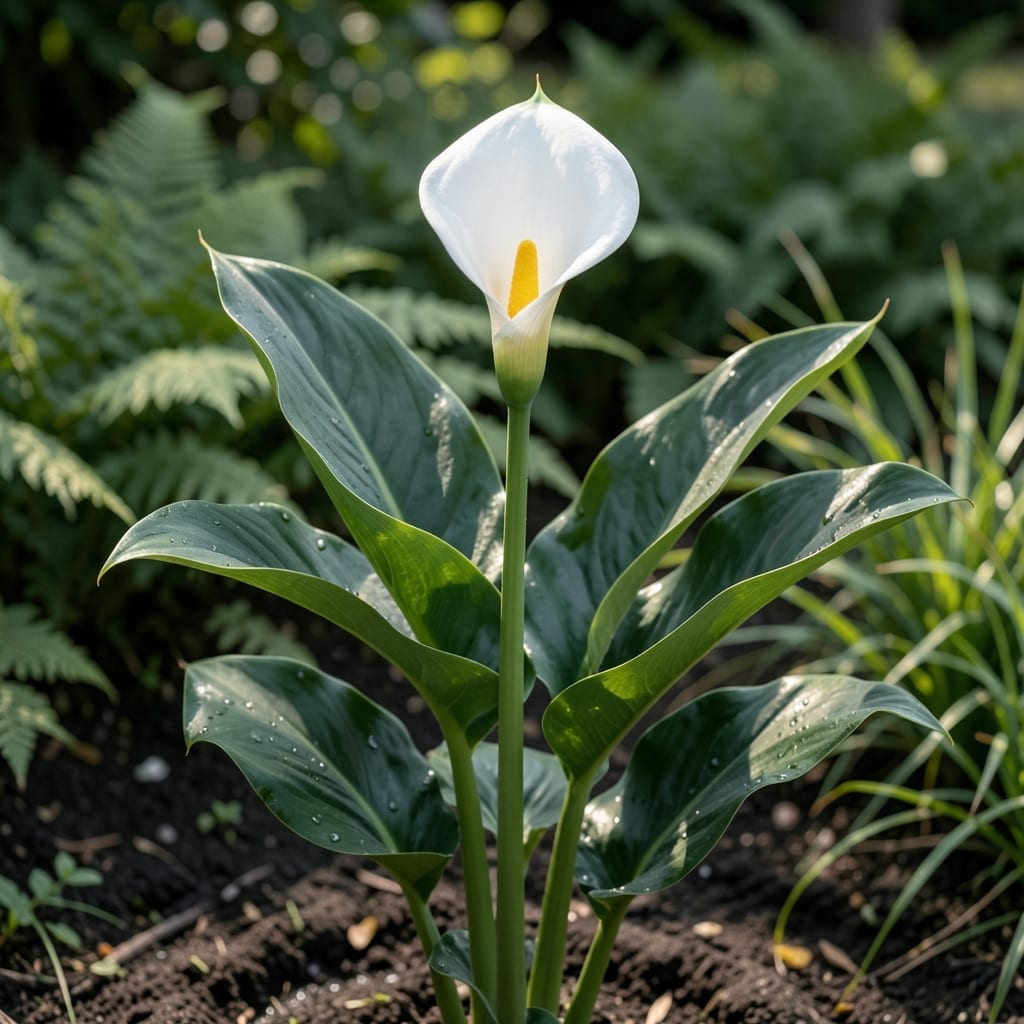
Calla lilies can transform any garden with their elegant, trumpet-shaped blooms. But get their sunlight requirements wrong, and you’ll end up with weak stems and few flowers.
The 🌸 Calla Lily thrives when it receives the right amount of light. Too little leaves them leggy and sparse, while too much can scorch their delicate petals.
I’ve learned through trial and error that balance is the key. These beauties need just enough sun to flourish without the stress of harsh exposure.
Discover how to provide the ideal conditions for vibrant, healthy blooms that will make your garden the envy of the neighborhood.

If you want your calla lilies to flourish, getting the sunlight balance right is key. These elegant plants thrive with 6 to 8 hours of direct sunlight daily, but they can also tolerate partial shade.
In my experience, morning sunlight is ideal because it’s gentler, reducing the risk of leaf scorch in hotter climates. Afternoon shade can be beneficial, especially in regions with intense midday heat.
| Requirement | Specification |
|---|---|
| Ideal Sunlight | 6-8 hours daily |
| Tolerance | Partial shade |
| Best Time | Morning sun |
| Climate Adjustment | Afternoon shade in hot areas |
I’ve noticed that calla lilies in full sun produce more vibrant blooms, but they need consistent moisture to prevent stress. In contrast, those in partial shade may have fewer flowers but last longer in the garden.
For gardeners in USDA zones 8-10, calla lilies can handle more sun, but in cooler zones, they might need protection from harsh light. Always monitor your plants for signs of sun stress, like yellowing leaves.
A good rule of thumb is to provide filtered sunlight during the hottest part of the day. This is especially important if you’re growing them in containers, as pots can heat up quickly.
If your garden lacks natural light, don’t worry. Calla lilies can adapt to bright indirect light, though they may not bloom as prolifically. I’ve had success placing them near east-facing windows indoors.
Remember, seasonal changes affect sunlight intensity. In summer, you might need to provide extra shade, while in spring or fall, full sun is usually safe. Adjust as needed to keep your lilies happy.
Finally, if you notice leggy growth or weak stems, it’s a sign your calla lilies aren’t getting enough light. Move them to a sunnier spot and watch them perk up within weeks. ☀️
In my experience, calla lilies thrive with 6-8 hours of sunlight, but climate plays a huge role. Hot regions may require afternoon shade to prevent scorching, while cooler areas benefit from full sun exposure for vibrant blooms.☀️
For container gardening, I recommend moving pots to follow the sun. East-facing spots offer gentle morning light, while west-facing locations provide intense afternoon rays. Adjust based on your local conditions to avoid stress.🌱
If you’re in a hot climate, like USDA zones 9-10, I’ve seen calla lilies suffer under harsh midday sun. A simple shade cloth can reduce intensity while still allowing bright indirect light to reach the plants.🌿
In cooler zones, such as 7-8, these plants often need every bit of sunlight they can get. I suggest planting them in the sunniest spot of your garden, but ensure the soil stays consistently moist to support their growth.
For shaded gardens, don’t lose hope. Calla lilies can tolerate partial shade, though they may produce fewer blooms. I’ve had success with light-colored mulch to reflect sunlight onto the plants, giving them an extra boost.✂️
Remember, these plants are adaptable. If you notice yellowing leaves or stunted growth, it’s often a sign they need more light. A little observation and adjustment can make all the difference in your garden’s success.