
Beautiful Plants For Your Interior
Beautiful Plants For Your Interior
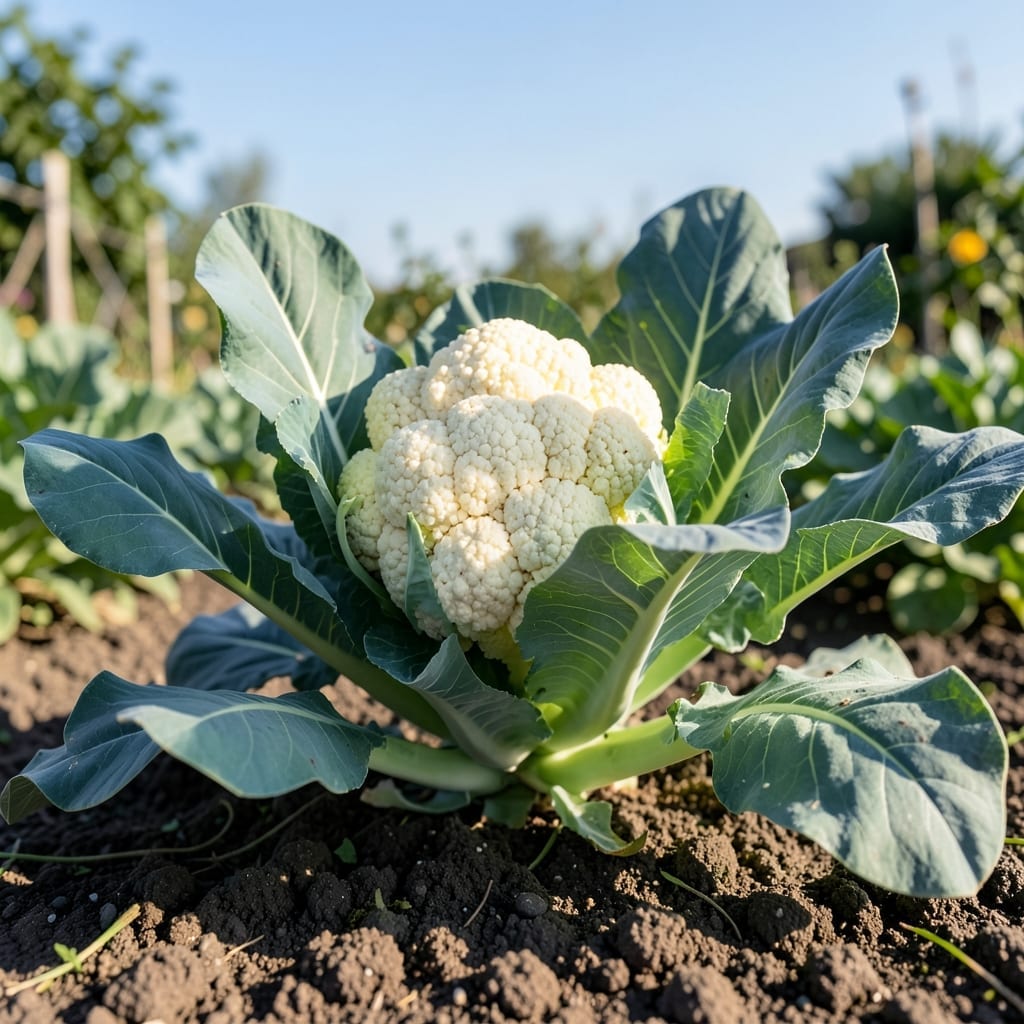
Nothing stings like watching cauliflower plants grow tall but never form heads. I’ve been there—staring at leafy giants with zero curds to show for months of care.
The culprits are usually temperature swings, nutrient gaps, or crowded roots. Cauliflower needs consistent cool weather, rich soil, and space to stretch out. Get one wrong and it focuses on leaves instead of heads.
Once you fix the issue, most plants rebound within 2-3 weeks. The key is catching it early before they bolt or give up entirely. A little troubleshooting now saves the whole season.
Works for spring and fall crops alike. Let’s get those heads forming!
Several factors can stunt cauliflower production, often tied to environmental or cultural issues. Here’s why your plants might be underperforming:
Cauliflower is temperature-sensitive. If exposed to prolonged heat above 80°F (27°C) or cold snaps below 50°F (10°C), the plant may bolt (flower prematurely) or fail to form heads. Ideal growth occurs between 60–70°F (15–21°C). Use row covers in early spring/fall to stabilize temperatures.
Fluctuating moisture levels disrupt head formation. Overwatering causes root rot, while drought stresses the plant, leading to small, loose, or no heads. Maintain 1–1.5 inches of water weekly, ensuring even soil moisture. Mulch helps retain moisture and prevent cracks.
Cauliflower is a heavy feeder. A nitrogen deficiency stunts leaf growth, while excess nitrogen produces lush foliage but no heads. Boron and molybdenum deficiencies also cause hollow stems or buttoning (tiny heads). Test soil and amend with balanced fertilizer (10-10-10) or compost before planting.
Transplanting seedlings too early or too late shocks the plant. Start seeds indoors 4–6 weeks before the last frost, and transplant when they have 4–5 true leaves. Delaying transplanting can lead to stunted growth or blindness (no head formation).
Pests like cabbage worms, aphids, or root maggots weaken plants, redirecting energy from head production. Diseases such as clubroot or black rot damage roots and foliage. Use row covers for pests and crop rotation to prevent disease buildup.
If your cauliflower isn’t producing heads, don’t worry—there are practical fixes for every common issue. Below, we map causes to solutions, so you can get your plants back on track. Prevention tips are included to keep future crops thriving!
Cauliflower thrives in cool weather (60–70°F). If temperatures swing too high or low:
Prevention: Monitor forecasts and choose varieties suited to your climate. 💡 Pro tip: Use a soil thermometer to ensure optimal root-zone temps (65–75°F).
Fluctuating moisture causes buttoning (small heads) or no heads at all. Fix it by:
Prevention: Use a moisture meter to track soil hydration. Early morning watering reduces evaporation. 🌧️
Cauliflower is a heavy feeder. Address deficiencies with:
Prevention: Rotate crops yearly to avoid depleting nutrients. Side-dress with compost tea every 2–3 weeks. ✨
Pests like cabbage worms or diseases like black rot can stunt growth. Combat them by:
Prevention: Encourage beneficial insects (e.g., ladybugs) with companion plants like dill or marigolds. 🐞
It typically takes 50-80 days from transplanting for heads to form, depending on variety. Cool weather speeds up growth, while heat delays it. If no head appears after 3-4 weeks of growth, check for stress factors.
Cauliflower thrives between 60–70°F during the day. Temperatures above 80°F or below 50°F can prevent head formation. Use shade cloth or row covers to maintain stability.
Yes! Too much nitrogen leads to leafy growth but no heads. Switch to a low-nitrogen fertilizer when plants have 6-8 leaves. Test soil for balance before adding amendments.
Bolting often happens due to temperature stress or inconsistent care. If exposed to cold below 50°F or heat above 80°F early on, the plant may flower prematurely instead of forming heads.