
Beautiful Plants For Your Interior
Beautiful Plants For Your Interior
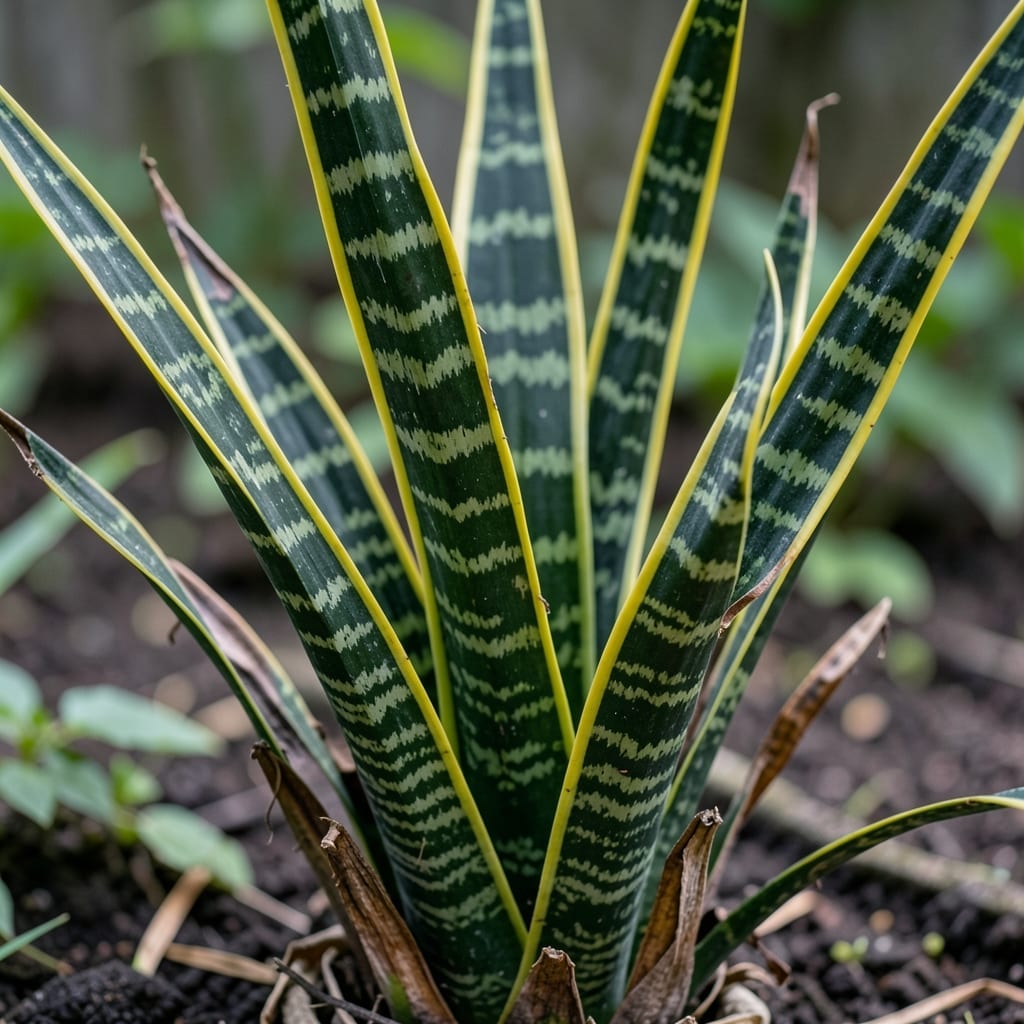
That sinking feeling when your snake plant’s leaves start drooping. I’ve been there—watching a once-thriving plant decline, wondering where I went wrong. The good news is most issues are easily fixable once you know what to look for.
Overwatering is the top culprit, but poor light, pests, or even the wrong pot can do damage. I killed my first snake plant by treating it like a fern. Now I check the soil before watering and rotate it for even light exposure.
With a few adjustments, you’ll see new growth within 2-3 weeks. The plant’s resilience might surprise you—it just needs the right conditions to bounce back.
Let’s troubleshoot this together. Your snake plant isn’t gone yet, and we can turn this around quickly.
Snake plants (Dracaena trifasciata) are hardy, but even they can decline due to environmental or care-related stress. Below are the most common causes, explained with science-backed clarity.
Excess moisture suffocates roots, preventing oxygen uptake. Fungal pathogens like Phytophthora or Pythium thrive in soggy soil, leading to root rot. Snake plants store water in their thick leaves, so they prefer dry conditions between waterings.
Too little light weakens the plant, causing leggy growth and pale leaves. Conversely, direct sunlight can scorch leaves, turning them yellow or brown. Snake plants thrive in indirect, bright light (1,000–2,000 foot-candles).
These tropical natives prefer 60–85°F (15–29°C). Exposure to drafts, AC vents, or temperatures below 50°F (10°C) can damage cells, leading to wilting or blackened foliage.
Soil that retains water (e.g., dense clay mixes) traps moisture around roots. Use a well-draining mix (e.g., cactus/succulent soil + perlite) and pots with drainage holes to prevent waterlogging.
Spider mites, mealybugs, or scale insects sap nutrients, causing yellowing or stippled leaves. Check leaf undersides and stems for webbing, cottony clusters, or sticky residue (honeydew).
Don’t panic—your snake plant can bounce back with the right care! Below are actionable fixes for the most common issues, paired with prevention tips to keep it thriving long-term.
If the soil feels soggy or roots are mushy, stop watering immediately. Remove the plant from its pot, trim any black or soft roots with sterile scissors, and repot in fresh, well-draining soil. Use a terracotta pot to wick away excess moisture. Prevention tip: Water only when the top 2–3 inches of soil are completely dry—stick your finger in to check! 🌱
Leggy, pale, or weak growth? Your snake plant needs more light. Place it near an east- or west-facing window, or a few feet from a south-facing one. Avoid harsh direct sun, which can scorch leaves. Prevention tip: Rotate the pot quarterly for even growth. 💡
Root rot often starts with a pot without drainage holes or dense, compacted soil. Fix it: Repot into a container with drainage and use a cactus/succulent mix amended with perlite or sand. Prevention tip: Elevate pots on a tray to avoid waterlogging. ✨
Spotted spider mites or mealybugs? Isolate the plant and wipe leaves with a damp cloth dipped in mild soap or neem oil. For stubborn pests, use insecticidal soap. Prevention tip: Inspect new plants before bringing them home and dust leaves regularly. 🎯
Brown, mushy leaves after a cold draft? Move your snake plant away from AC units, windows in winter, or temps below 50°F (10°C). Trim damaged leaves to redirect energy. Prevention tip: Keep it in a stable environment (60–85°F / 15–29°C). 🌡️
Water only when the top 2-3 inches of soil are completely dry. This usually means every 2-3 weeks, but always check first. Overwatering is the most common cause of decline.
Yes, if the roots are still healthy. Trim the yellow leaves at the base and adjust your care routine. New growth should appear within 2-3 weeks if conditions improve.
Use a well-draining mix like cactus or succulent soil combined with perlite. This prevents waterlogging, which can lead to root rot. Terracotta pots also help wick away excess moisture.
This usually signals overwatering or root rot. Check the roots for mushiness and repot in fresh soil if needed. Underwatering can also cause this, so verify soil moisture first.