
Beautiful Plants For Your Interior
Beautiful Plants For Your Interior
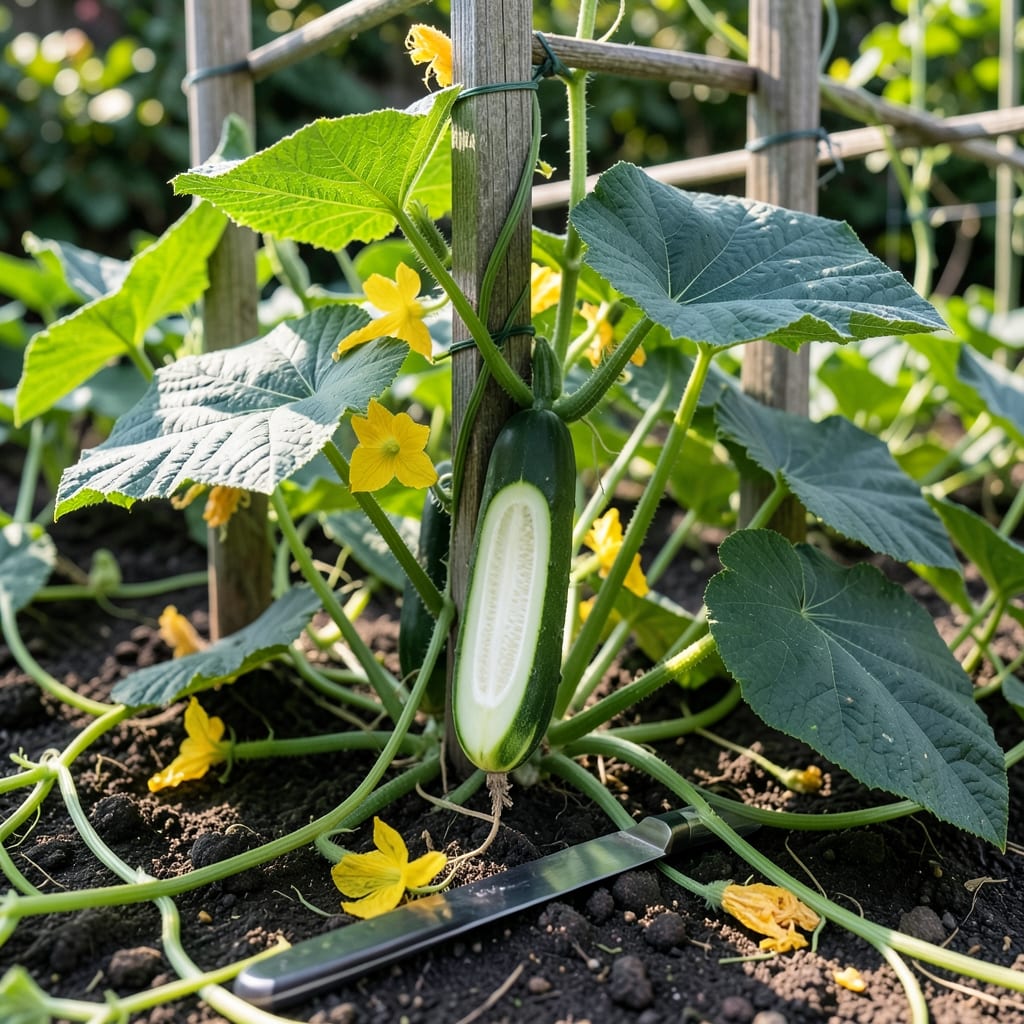
That pale cucumber flesh caught me off guard too. White insides usually mean immaturity, but I’ve seen it from overwatering and even disease. The fix often starts with how you’re growing them.
My first white cucumber was a reality check—it was ready to pick weeks earlier. Now I check size, not just time, and adjust watering to keep soil moist but not soggy. 3-4 inches of mulch helps prevent stress.
Disease is less common but possible. Look for spots or wilting alongside the white flesh. If it’s just the color, you’re likely dealing with timing or environment, not a bigger problem.
Simple changes usually do the trick. Proper spacing, consistent water, and harvesting at the right stage keep cucumbers green inside and out.
White flesh in cucumbers is usually a sign of poor chlorophyll development or environmental stress. Below are the most common causes, each tied to specific growing conditions or biological factors.
Cucumbers need 6–8 hours of direct sunlight daily to produce chlorophyll, the pigment that gives them their green color. When shaded or grown in low-light conditions, the plant conserves energy by reducing chlorophyll synthesis, leading to pale or white interiors. This is especially common in greenhouse-grown cucumbers with insufficient UV exposure.
Chlorophyll production slows in cold soils (below 50°F) or during heat stress (above 90°F). White cucumbers often appear in early spring or late fall when nighttime temperatures drop sharply. Heat, on the other hand, can cause uneven ripening, leaving the inner flesh underdeveloped and pale.
Excess moisture suffocates roots, reducing nutrient uptake—including nitrogen, which is critical for chlorophyll. Waterlogged soil also promotes fungal growth, which can disrupt the plant’s ability to photosynthesize effectively. Check for yellowing leaves or soft, white streaks in the flesh as signs of overwatering.
A lack of nitrogen, magnesium, or iron directly impacts chlorophyll production. Nitrogen-deficient cucumbers often have stunted growth and pale interiors, while magnesium or iron shortages cause interveinal chlorosis (yellowing between veins) that can extend to the flesh. A soil test can confirm deficiencies.
Some cucumber varieties, like ‘White Wonder’ or ‘Lemon Cucumbers’, naturally have lighter flesh. However, if you’re growing a standard green variety (e.g., ‘Marketmore’), white interiors likely point to one of the above environmental or nutritional issues.
Dealing with white cucumbers can be frustrating, but these practical fixes will help restore their vibrant green color and crisp texture. Address the root causes with these targeted solutions:
If your cucumbers are white due to a lack of nitrogen or magnesium:
Cucumbers need full sun (6-8 hours daily) to develop proper color:
Waterlogged roots can lead to pale, spongy cucumbers:
White cucumbers can result from pests like cucumber beetles or diseases like powdery mildew:
Extreme heat or cold can disrupt chlorophyll production:
💡 Pro Tip: Regularly inspect your plants for early signs of stress. Catching issues early makes them easier to fix!
Yes, it’s perfectly safe to eat if it’s just discolored. The white flesh usually means it’s underripe or stressed, not spoiled. Check for softness or bad smells to confirm it’s still good.
Ensure your plants get 6–8 hours of sunlight daily and maintain consistent watering. Test your soil for nutrients and avoid overwatering. Proper care keeps cucumbers green inside and out.
It’s possible but less common. Look for additional signs like spots, wilting, or mold. If only the inside is white, it’s likely environmental. For diseases, remove affected plants to prevent spread.