
Beautiful Plants For Your Interior
Beautiful Plants For Your Interior
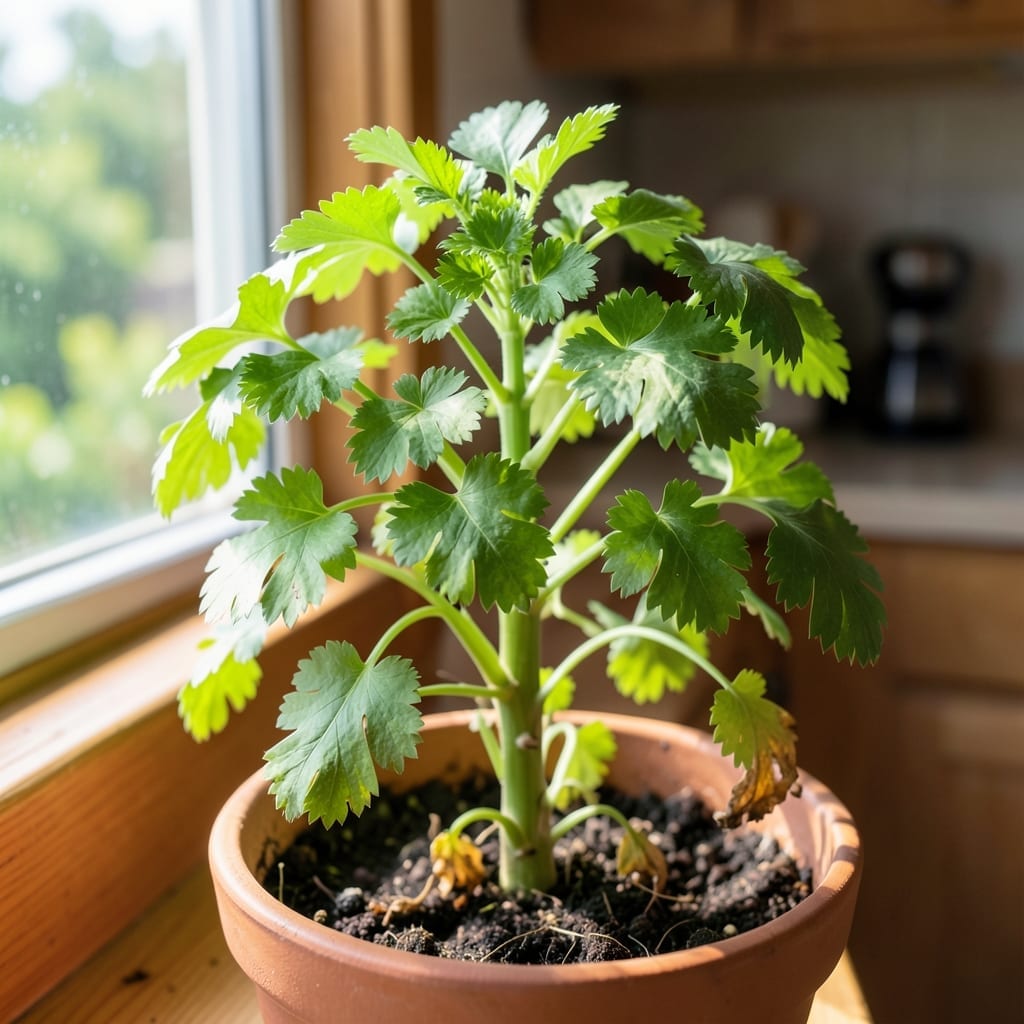
Wilted cilantro breaks my heart every time. I’ve lost count of how many plants I’ve nursed back from the brink by catching the problem early.
Here’s the thing—wilting usually means underwatering or overwatering, but pests and disease can also be culprits. The good news is most issues are fixable in 24-48 hours with the right approach.
You’ll learn to spot the difference between thirsty soil and waterlogged roots, plus the simple checks that prevent future crises. My garden journal is full of these lessons learned the hard way.
Works for container cilantro too. Let’s get those leaves perking up again.
Wilting in cilantro plants is often a sign of stress or environmental imbalance. Here are the most common causes, backed by science and gardening best practices:
Cilantro thrives in cool to moderate temperatures (50–75°F). When exposed to high heat (above 85°F), the plant’s transpiration rate spikes, causing rapid moisture loss. The leaves lose turgor pressure, leading to drooping. This is especially common in mid-summer or if the plant is in direct, unfiltered sunlight for hours.
Underwatering starves the roots of moisture, while overwatering suffocates them by reducing oxygen in the soil. Both scenarios disrupt the plant’s ability to absorb water and nutrients. Cilantro prefers consistently moist but well-draining soil. Soggy soil also invites root rot, a fungal disease that further weakens the plant.
Cilantro needs loamy, nutrient-rich soil with a pH of 6.2–6.8. Compacted or clay-heavy soil restricts root growth, while sandy soil drains too quickly, leaving roots parched. A lack of organic matter can also lead to nutrient deficiencies, making the plant more susceptible to stress and wilting.
Sap-sucking pests like aphids, spider mites, or whiteflies can drain the plant’s fluids, leading to wilting. These pests pierce the leaves and stems, disrupting the plant’s vascular system. Check the undersides of leaves for tiny insects or webbing, which are telltale signs of an infestation.
Diseases such as Fusarium wilt or bacterial leaf spot attack the plant’s vascular system, blocking water transport. Infected cilantro often shows yellowing, spots, or a sudden collapse. These pathogens thrive in wet, poorly ventilated conditions, so proper spacing and air circulation are key to prevention.
Don’t let your cilantro give up just yet! Here’s how to nurse it back to health, cause by cause.
Give your plant a deep drink at the base until water runs out the drainage holes. Let the top inch of soil dry before watering again—cilantro hates soggy feet. Prevention tip: 💡 Stick your finger in the soil daily to check moisture.
Stop watering immediately and let the soil dry out. If the pot lacks drainage, repot into fresh, well-draining mix (add perlite or sand). Trim any black, mushy roots to prevent rot. Prevention tip: ✨ Use a pot with drainage holes and a saucer to catch excess.
Move your cilantro to a spot with morning sun and afternoon shade, especially in hot climates. If it’s in a container, shift it to a cooler area. Prevention tip: 🌡️ Use a sheer curtain to filter intense light indoors.
Bring potted cilantro indoors or cover outdoor plants with frost cloth if temperatures drop below 50°F (10°C). Avoid drafty windows. Prevention tip: 🎯 Plant after the last frost or start seeds indoors early.
For aphids or spider mites, spray with neem oil or insecticidal soap. Remove diseased leaves and improve airflow. Prevention tip: 🔥 Rotate crops and avoid overhead watering to keep foliage dry.
Use a balanced, water-soluble fertilizer (10-10-10) diluted to half strength every 4–6 weeks. Avoid over-fertilizing—cilantro prefers lean soil. Prevention tip: ✨ Mix compost into the soil at planting for slow-release nutrients.
Check the soil: dry and cracked means underwatered, while soggy and smelly signals overwatering. Underwatered leaves feel crispy; overwatered ones appear yellow and mushy.
Yes! Move it to shade and water deeply. Most plants perk up within a few hours. If leaves stay crispy after 24 hours, trim the damaged parts to help recovery.
Only if they’re severely damaged. Otherwise, leave them—they may recover. Prune yellow or blackened foliage to redirect energy to healthy growth. Always use clean tools.
Water when the top 1 inch of soil feels dry. In hot weather, this might mean daily checks. Ensure pots have drainage holes to prevent root rot.