
Beautiful Plants For Your Interior
Beautiful Plants For Your Interior
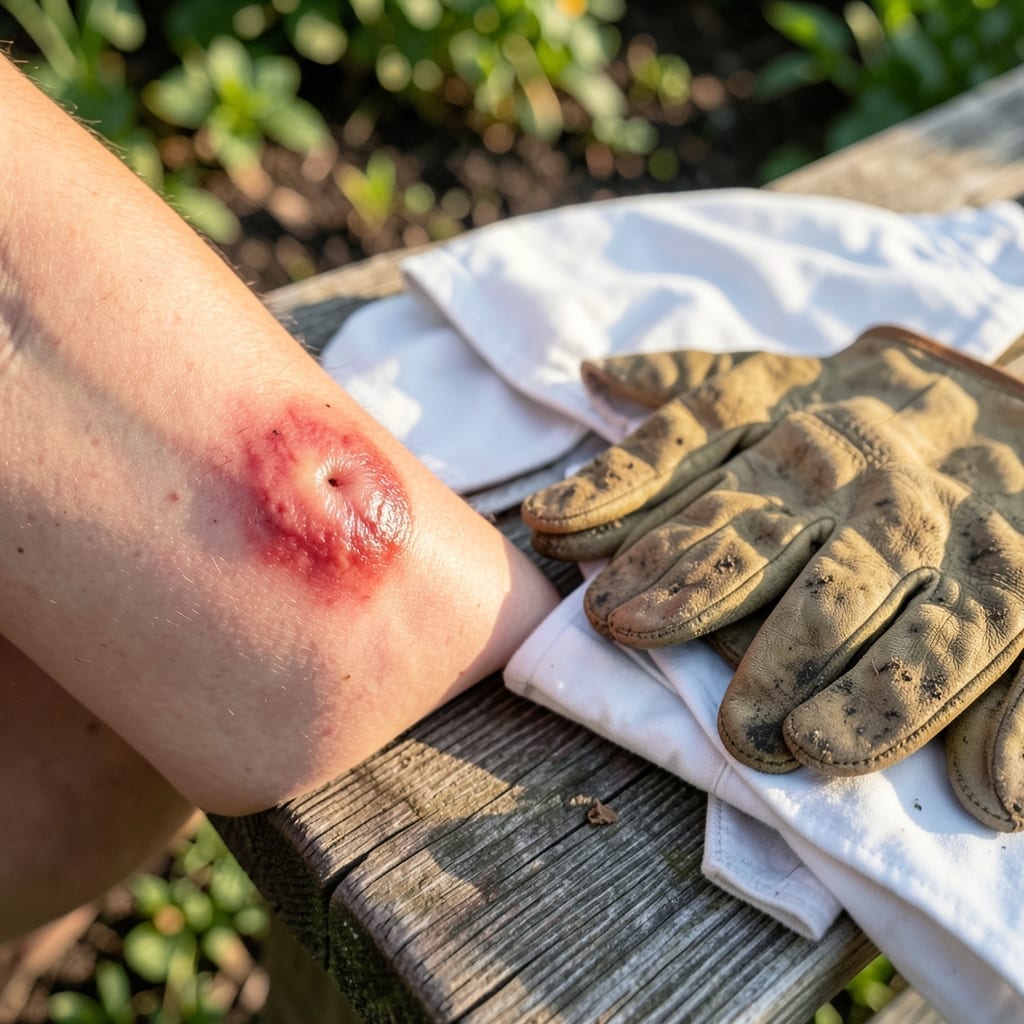
The venom contains acetylcholine and serotonin, which trigger intense pain receptors. It also lacks barbs, allowing multiple stings that inject more venom, amplifying the burning sensation.
I discovered that acetylcholine acts like a nerve stimulant, while serotonin increases inflammation in the affected area. 🔥 What makes it worse is their smooth stinger lets them attack repeatedly without getting stuck, delivering more venom with each strike.
This combination creates a double-whammy effect on your nervous system that few other insects can match.
💡 In This Article
Yellow jacket venom contains a potent cocktail of neurotoxic compounds that directly attack your nervous system. The acetylcholine forces nerve endings to fire repeatedly, creating an overwhelming pain signal. Meanwhile, serotonin acts as an inflammatory accelerator, amplifying the burning sensation by increasing blood flow to the area. 🔥
What makes this venom particularly brutal is its concentration. Yellow jacket venom contains 1-2% acetylcholine by volume, which is significantly higher than honeybee venom. The venom also includes kinins, which cause immediate swelling, and phospholipase A2, an enzyme that breaks down cell membranes, further intensifying the pain response. ✨
Unlike honeybees, yellow jackets can sting multiple times because their stingers lack barbs. This means they can inject 1-4 mg of venom per sting, and they’re capable of delivering 5-10 stings in rapid succession.
The cumulative effect of these repeated injections creates a pain experience that’s both more intense and longer-lasting than single stings from other insects. 💫
Comparatively, a honeybee sting delivers about 0.1 mg of venom and leaves its stinger (and life) behind. Yellow jackets’ ability to sting repeatedly without consequence makes their venom delivery system far more effective at causing pain. The venom’s pH of 4.5-5.5 also contributes to the immediate burning sensation by disrupting skin’s natural pH balance. ⚡
This biochemical onslaught explains why yellow jacket stings often feel like a hot needle being pressed into your skin. The combination of neurotoxins, inflammatory agents, and the ability to deliver multiple doses creates a pain profile that’s uniquely severe among stinging insects.
For most people, the sharp pain peaks within 1-2 hours and gradually subsides over 24-48 hours. The area may remain tender for several days as your body heals from the venom.
Individual reactions vary based on venom sensitivity and immune response. Those with allergies may experience severe swelling, while others feel intense but localized pain. Allergic reactions require immediate medical attention.
Yes, if not properly cleaned. Scratch the area only with clean hands, and watch for increasing redness, warmth, or pus. Apply antibiotic ointment and cover with a bandage to prevent infection.
Use a credit card or fingernail to scrape it out sideways. Never squeeze or pull it—this can release more venom into your skin. Wash the area immediately afterward.