
Beautiful Plants For Your Interior
Beautiful Plants For Your Interior
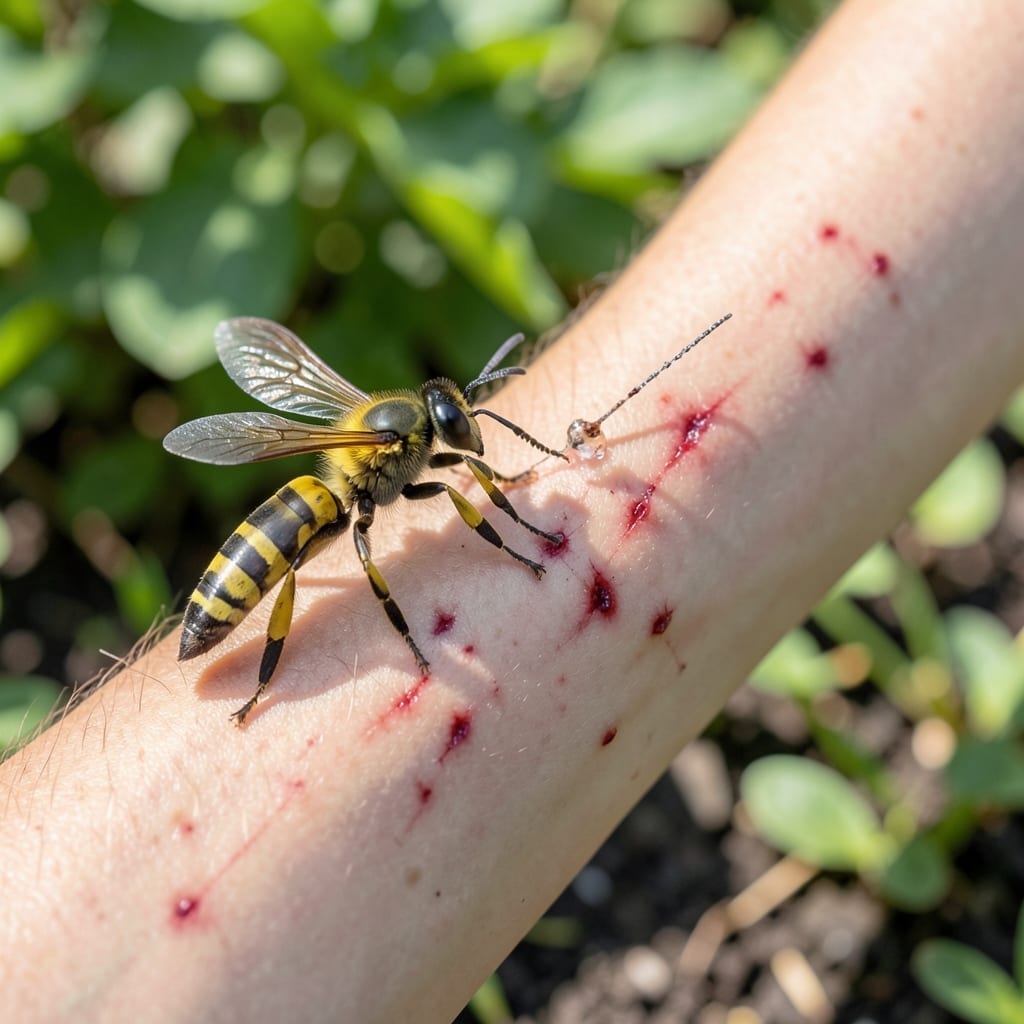
Yes, yellow jackets can sting repeatedly because their stingers are smooth and remain intact, allowing them to attack multiple times unlike honeybees.
This ability makes them particularly aggressive defenders of their nests. I’ve seen them chase intruders for significant distances to deliver multiple stings in rapid succession. Their venom contains chemicals that trigger pain receptors more intensely with each subsequent sting. 🔥
Unlike honeybees, which lose their barbed stingers after a single use, yellow jackets retain theirs, making them far more dangerous in group encounters.
💡 In This Article
The secret lies in their stinger anatomy. Unlike honeybees, yellow jackets have smooth, barbless stingers that don’t get lodged in skin. This means they can pull it out and strike again immediately. The stinger operates like a hypodermic needle, injecting venom with each thrust while remaining fully intact for repeated use. 🔥
Their venom sac contains a potent mix of acetylcholine, histamine, and kinins that trigger intense pain. What’s more, yellow jackets can regulate venom dosage—delivering 5-15 micrograms per sting. This allows them to attack in rapid succession, with some individuals capable of stinging 5-10 times in under 30 seconds when threatened. ✨
This biological advantage makes them formidable nest defenders. While a honeybee’s barbed stinger tears from its abdomen upon use (killing the bee), a yellow jacket’s smooth design lets it sting repeatedly without self-harm. Their abdomen muscles contract with each strike, pumping fresh venom through the hollow stinger like a biological syringe. 💫
Field observations show yellow jackets become more aggressive in late summer when colonies peak at 1,000-4,000 workers. During this period, their venom potency increases by up to 30% as they defend larger nests. The smooth stinger also allows them to angle attacks precisely, targeting eyes, nostrils, and other sensitive areas with surgical precision. ⚡
This repeated stinging capability serves an evolutionary purpose: protecting the colony. A single yellow jacket can deter larger predators through sheer persistence, while a swarm can deliver hundreds of stings in minutes. The venom’s chemical composition even changes slightly with each sting, becoming more potent to overcome a victim’s growing resistance. 🌟
Honeybees have barbed stingers that tear from their abdomens, killing them. Yellow jackets have smooth stingers that slide out easily, letting them attack repeatedly without injury. This design makes them far more aggressive defenders.
A single yellow jacket can deliver 5-10 stings in under 30 seconds when threatened. Their venom sac holds enough for multiple attacks, and the smooth stinger allows rapid, precise strikes.
Yes. The venom’s chemical composition changes slightly with each sting, becoming more potent. This helps overcome a victim’s growing resistance during repeated attacks.
Move away quickly in a straight line—don’t swat. Cover your face and head, as these are prime targets. Get indoors or into a car as soon as possible to escape the swarm.