
Beautiful Plants For Your Interior
Beautiful Plants For Your Interior
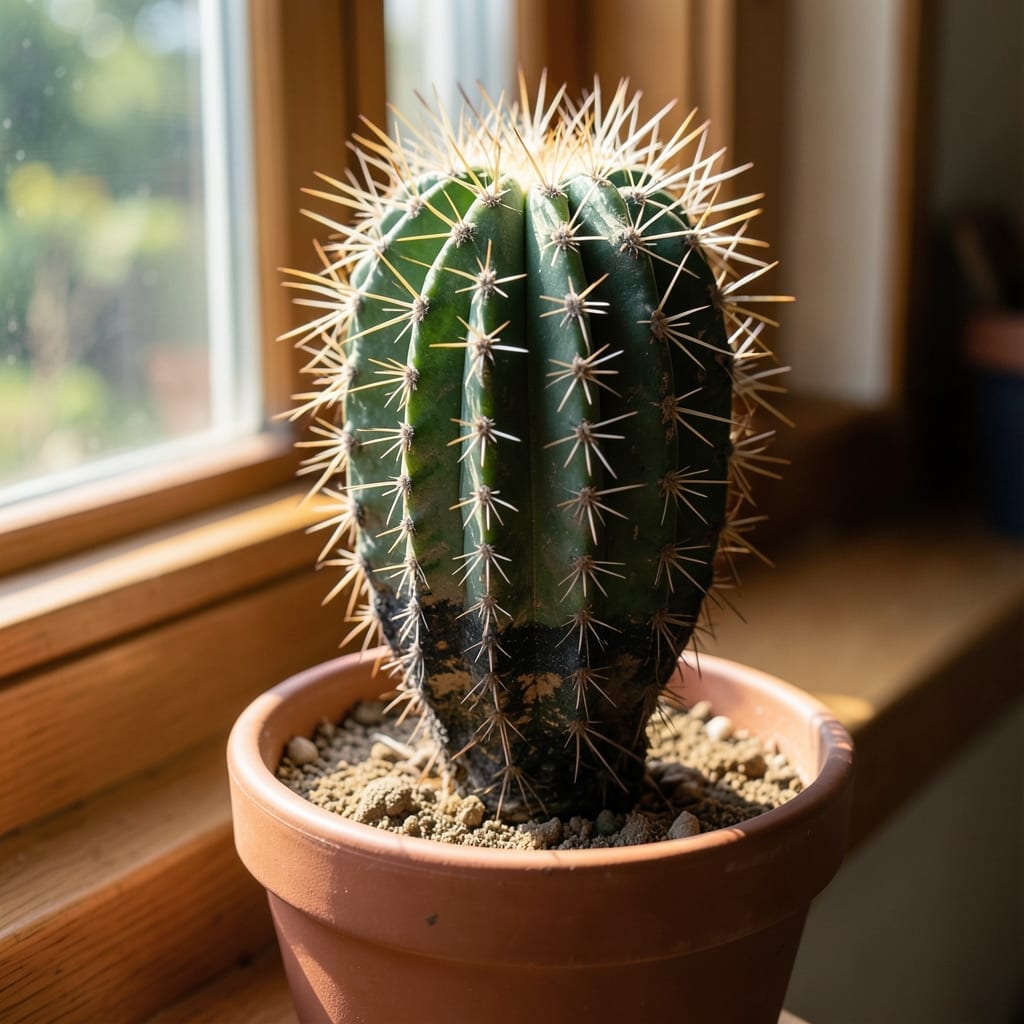
That sinking feeling when your cactus turns black is all too familiar. We’ve lost more than a few to this exact problem, always tracing it back to one critical mistake: too much water.
Black spots or a dark, mushy base usually signal root rot, which spreads fast in damp soil. The fix starts with immediate action—stop watering and check the roots for soft, discolored sections.
Recovery is possible if you catch it early. Remove affected roots, repot in fresh, dry soil, and hold off on water until the plant stabilizes. Prevention means watering only when the soil is bone-dry.
This method saved our collection after years of trial and error. Trust the process—your cactus can bounce back.
Cacti turning black is a distress signal, and the causes are often tied to environmental or care-related stressors. Below are the most common culprits, explained scientifically and with actionable insights.
Excess moisture is the #1 cause of blackening in cacti. Cacti are drought-tolerant plants with shallow root systems designed to absorb water quickly. When overwatered, the roots suffocate in soggy soil, leading to root rot—a fungal or bacterial infection. The rot spreads upward, cutting off the plant’s water and nutrient supply, causing the tissue to blacken and die. Action: Check the soil moisture before watering; it should be completely dry 1-2 inches down.
While cacti love sunlight, intense, direct sun (especially sudden exposure) can scorch their skin, turning it black or dark brown. This is essentially a “sunburn” caused by UV radiation breaking down cell walls. Heat stress can also dehydrate the plant, leading to necrotic (dead) patches. Action: Acclimate your cactus gradually to bright light and provide shade during peak afternoon hours in extreme climates.
Most cacti are not frost-resistant. When temperatures drop below 50°F (10°C), water inside the plant’s cells can freeze, rupturing cell membranes and causing black, mushy spots. Even chilly drafts from windows or AC vents can trigger this. Action: Move potted cacti indoors or to a sheltered area when temperatures dip. Use frost cloths for outdoor plants.
Pathogens like Phytophthora or Fusarium thrive in wet, poorly drained soil, infecting the cactus through roots or wounds. These infections block vascular tissue, leading to black, soft lesions. Action: Remove infected parts with sterilized tools, repot in fresh, well-draining soil, and treat with a copper-based fungicide if needed.
Pests like scale insects or mealybugs pierce the cactus skin to feed, introducing toxins or secondary infections. Their feeding sites can turn black as the plant reacts. Action: Inspect your cactus regularly. Use rubbing alcohol on a cotton swab to remove pests or apply neem oil for severe infestations.
If your cactus is turning black, act fast with these targeted fixes for common causes.
Stop watering immediately and check the roots. If they’re mushy and black, trim the rotten parts with sterilized scissors. Repot in fresh, dry cactus mix and a pot with drainage holes. Prevention tip: 🌡️ Water only when the top 2 inches of soil are bone-dry, and use terracotta pots to wick away excess moisture.
Move your cactus to a spot with bright, indirect light. If the blackening is mild, it may heal on its own. For severe burns, the damaged areas won’t recover, but new growth will be healthy. Prevention tip: ✨ Gradually acclimate indoor cacti to direct sun over 2–3 weeks to avoid shock.
Remove infected areas with a clean knife and treat the cuts with a fungicide or diluted hydrogen peroxide (1:10 ratio with water). Isolate the cactus to prevent spreading. Prevention tip: 💡 Avoid overhead watering and ensure good air circulation around your plants.
Move the cactus to a warmer spot (above 50°F/10°C) and avoid drafts. Blackened, mushy areas won’t regrow, but the plant can recover if the core is firm. Prevention tip: 🔥 Keep cacti indoors during cold snaps or use a grow light to maintain warmth.
Wipe off pests like mealybugs or scale with a cotton swab dipped in rubbing alcohol. For severe cases, use neem oil or insecticidal soap. Prevention tip: 🎯 Inspect your cactus regularly, especially under leaves and near the soil, to catch pests early.
Only when the top 2 inches of soil are completely dry. In hot weather, this might be every 2-3 weeks; in cooler months, even less. Terracotta pots help wick away excess moisture.
If the blackening is from rot or cold damage, the affected areas won’t regrow. But if the core is still firm, the plant can recover with proper care. Remove damaged parts and adjust conditions.
Use a well-draining mix with 50% perlite or sand. Avoid regular potting soil—it holds too much moisture. Adding coarse gravel also improves drainage.
Sunburn causes dry, crispy black spots on top. Rot starts at the base with soft, mushy tissue. Check the roots—healthy ones are white and firm.