
Beautiful Plants For Your Interior
Beautiful Plants For Your Interior
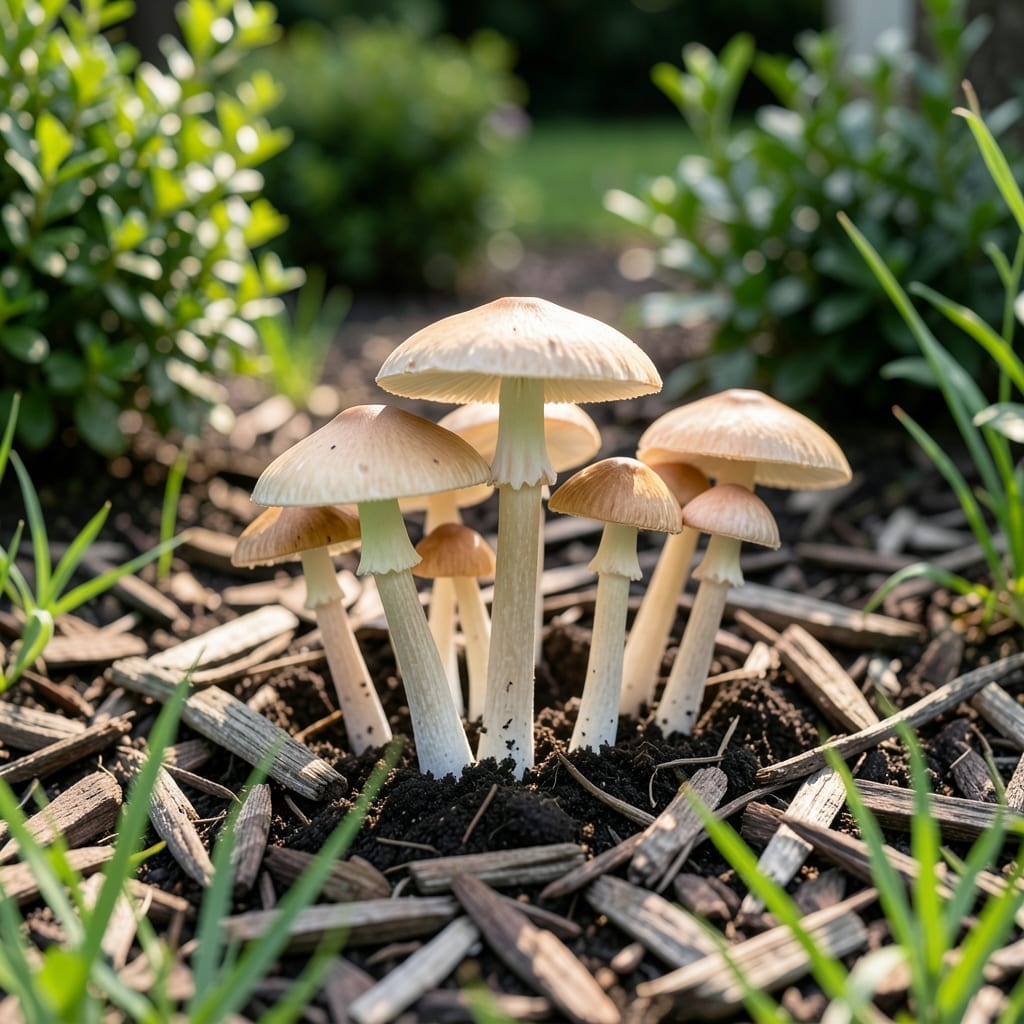
Those little mushrooms popping up overnight aren’t invaders—they’re messengers. I used to panic when I saw them, but now I know they’re nature’s way of saying your soil is doing something right.
Mushrooms appear when organic matter breaks down, which means your garden’s ecosystem is active and healthy. They thrive in moist, shaded spots with plenty of decaying material, like wood chips or compost.
Most are harmless, even beneficial, but if they’re spreading where you don’t want them, a little sunlight and airflow can slow them down. No need for harsh chemicals—just adjust the environment.
Think of them as a sign your soil is alive. With a few tweaks, you can keep the balance without losing the good stuff they bring.
Mushrooms in your garden are a natural sign of fungal activity, often triggered by specific environmental conditions. Here’s why they appear:
Fungi thrive on decomposing organic material like wood, leaves, or compost. If your garden has rich, undigested organic matter (e.g., buried wood, mulch, or dead roots), fungi break it down, producing mushrooms as reproductive structures. Action: Remove large wood debris or balance nitrogen in compost to speed decomposition.
Overwatering, poor drainage, or heavy rainfall creates damp soil—ideal for fungal spores to germinate. Shady, low-lying areas are especially prone. Action: Improve drainage with sand or gravel, and water only when the top inch of soil is dry.
Mushrooms can signal good soil health! Beneficial fungi (like mycorrhizae) form symbiotic relationships with plant roots, aiding nutrient absorption. If mushrooms appear alongside thriving plants, they may be harmless allies. Action: Avoid fungicides unless mushrooms are pathogenic (e.g., honey fungus).
Fungal spores travel via wind, water, or gardening tools. Disturbed soil or imported mulch/compost can introduce new spores. Action: Use sterilized tools and source compost from reputable suppliers to limit contamination.
Mushrooms in your garden can be harmless, but if you’d like to remove them or prevent future growth, here are practical solutions based on the most common causes:
Mushrooms thrive in damp conditions. Fix soggy soil by:
Prevention tip: 💡 Use raised beds for plants that need drier soil.
Fungi feed on rotting wood, leaves, or mulch. Clear the area by:
Prevention tip: ✨ Keep your garden tidy to discourage fungal spores.
Dense plantings or heavy thatch can trap moisture. Boost airflow with:
Prevention tip: 🎯 Space plants properly from the start.
For visible mushrooms:
Prevention tip: ⏰ Check for mushrooms after rainy spells and act quickly.
If mushrooms keep returning, consider a soil test to check for underlying issues like high organic content or imbalanced pH. A healthy garden starts from the ground up!
Most are harmless, but never eat wild mushrooms. Some can be toxic. If pets or kids are around, remove them promptly.
Usually not. They often signal healthy soil. Only a few types, like honey fungus, attack living plants. Check for wilting or discoloration.
Reduce moisture, remove decaying wood or leaves, and improve airflow. Replace organic mulch with gravel in problem areas.
Only if they’re pathogenic. Most mushrooms are beneficial. Try natural methods first, like neem oil or adjusting watering habits.