
Beautiful Plants For Your Interior
Beautiful Plants For Your Interior
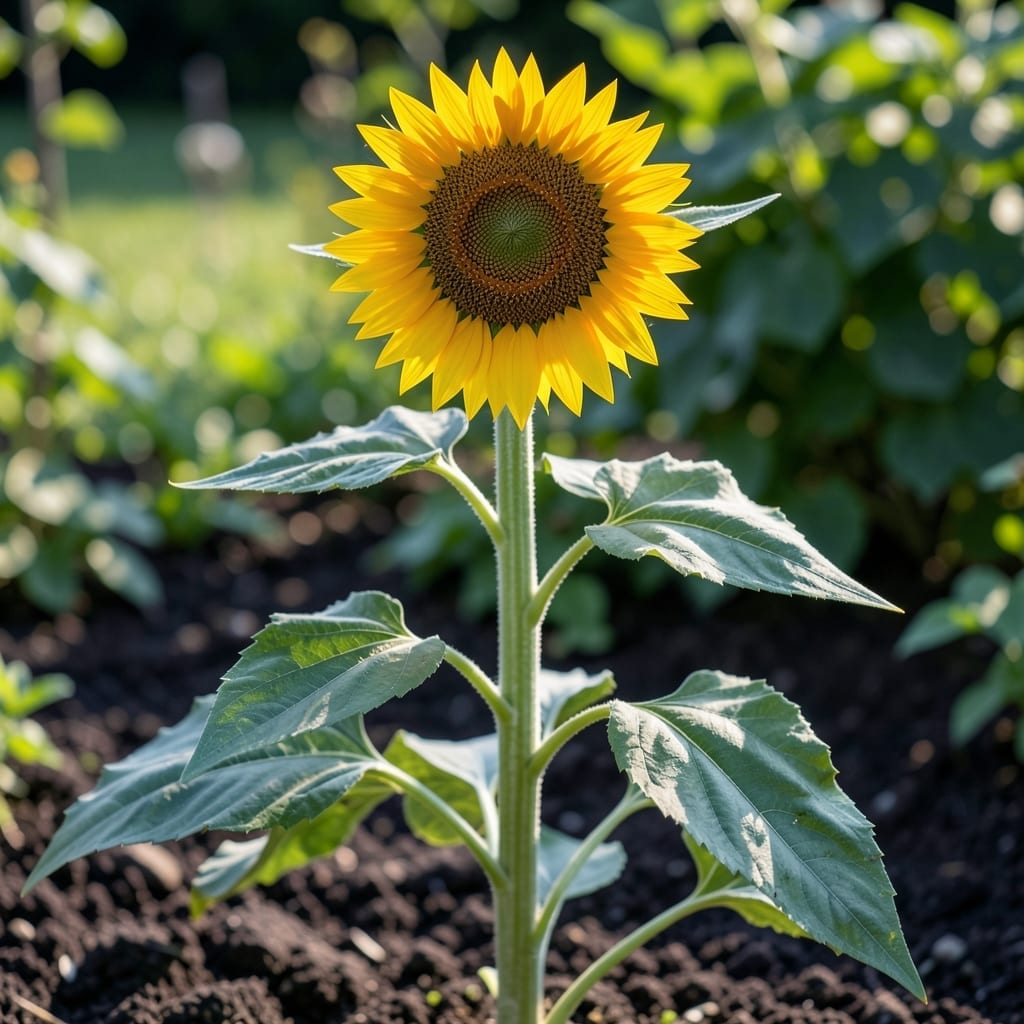
Nothing’s more disheartening than watching your sunflowers droop after all that care. I’ve been there—staring at sad, heavy heads wondering what went wrong with plants that should be reaching for the sky.
Most times, it’s either too much water or not enough light. Sunflowers are tough, but they’ll protest if their roots are drowning or their faces aren’t getting 6-8 hours of sun daily. The signs are different for each, and spotting them early saves the season.
With a few adjustments, those bright faces will perk back up. It’s often as simple as letting the soil dry between waterings or shifting pots to a sunnier spot.
We’ve learned the hard way that overwatering kills more plants than underwatering. Trust the finger test—if the top inch is dry, it’s time to water.
Sunflowers droop for several specific, often fixable reasons. Understanding the why helps you act fast and revive your plants. Below are the most common culprits, explained with clear, actionable science.
Sunflowers hate “wet feet.” When soil stays soggy, roots suffocate due to lack of oxygen, leading to root rot. Fungal pathogens like Phytophthora thrive in waterlogged conditions, attacking roots and stems. As roots die, they can’t absorb water or nutrients, causing leaves and heads to droop from dehydration—ironically, despite excess water. Check soil moisture 2 inches deep; if it’s muddy, halt watering immediately.
Sunflowers are heliotropic, meaning they track the sun for maximum photosynthesis. Without 6–8 hours of direct sunlight daily, their energy production plummets. Chlorophyll in leaves can’t convert light into sugars efficiently, weakening stems and causing drooping. This is especially critical for young sunflowers establishing their structure. Move potted plants or adjust garden layout to prioritize sun exposure.
Extreme temperatures disrupt water movement in the plant. In heatwaves (above 90°F), sunflowers lose water faster than roots can replace it, leading to wilting. Conversely, cold snaps (below 50°F) slow metabolic processes, reducing turgor pressure in cells—like a deflating balloon. Protect plants with shade cloth in heat or row covers in unexpected cold.
Sunflowers are heavy feeders. A lack of potassium or phosphorus weakens cell walls, making stems unable to support the heavy flower heads. Yellowing leaves with drooping edges often signal nitrogen deficiency, while stunted growth points to phosphorus scarcity. Test soil and amend with a balanced fertilizer (e.g., 10-10-10) or organic compost.
Don’t panic—drooping sunflowers can often bounce back with the right fixes. Here’s how to tackle the most common causes and prevent future wilting.
Stop watering immediately and check the soil. If it’s soggy, let it dry out completely before the next watering. For potted sunflowers, tip the pot sideways to drain excess water. To prevent this, water only when the top 1–2 inches of soil feel dry. Pro tip: 💡 Use a pot with drainage holes or add perlite to improve soil aeration.
Move your sunflowers to a spot with full sun (6–8 hours daily). If growing indoors, place them near a south-facing window or supplement with a grow light (12–16 hours/day). Rotate potted sunflowers weekly to ensure even light exposure. Prevention: 🌡️ Avoid shaded areas or north-facing windows where light is weak.
Yellowing leaves or stunted growth? Your sunflowers may need fertilizer. Use a balanced, water-soluble feed (10-10-10) every 2–3 weeks during the growing season. For a quick pick-me-up, try a compost tea or banana peel water (rich in potassium). Pro tip: ✨ Avoid over-fertilizing—it can burn roots and worsen drooping.
Inspect leaves and stems for aphids, spider mites, or fungal spots. Spray with neem oil or insecticidal soap for pests. For fungal issues (like powdery mildew), remove affected leaves and improve air circulation. Prevention: 🎯 Space plants 12–18 inches apart and water at the base to keep foliage dry.
With these adjustments, your sunflowers should perk up in 24–48 hours! Consistency in care is key to keeping them tall and cheerful.
Water deeply 1-2 times per week, allowing the top 1-2 inches of soil to dry between waterings. Overwatering causes root rot, while underwatering leads to wilting. Always check soil moisture with your finger first.
Yes! Most sunflowers perk up within 24-48 hours once the underlying issue (water, light, nutrients) is fixed. Severely damaged plants may take longer, but early intervention often saves them.
This is normal! Sunflowers follow the sun during the day (heliotropism) and may droop slightly at night as their internal water pressure changes. They’ll stand tall again by morning.
Only if stems are weak or bending. Use soft ties to secure them to bamboo stakes without damaging the stem. Staking won’t fix the root cause but prevents further damage.