
Beautiful Plants For Your Interior
Beautiful Plants For Your Interior
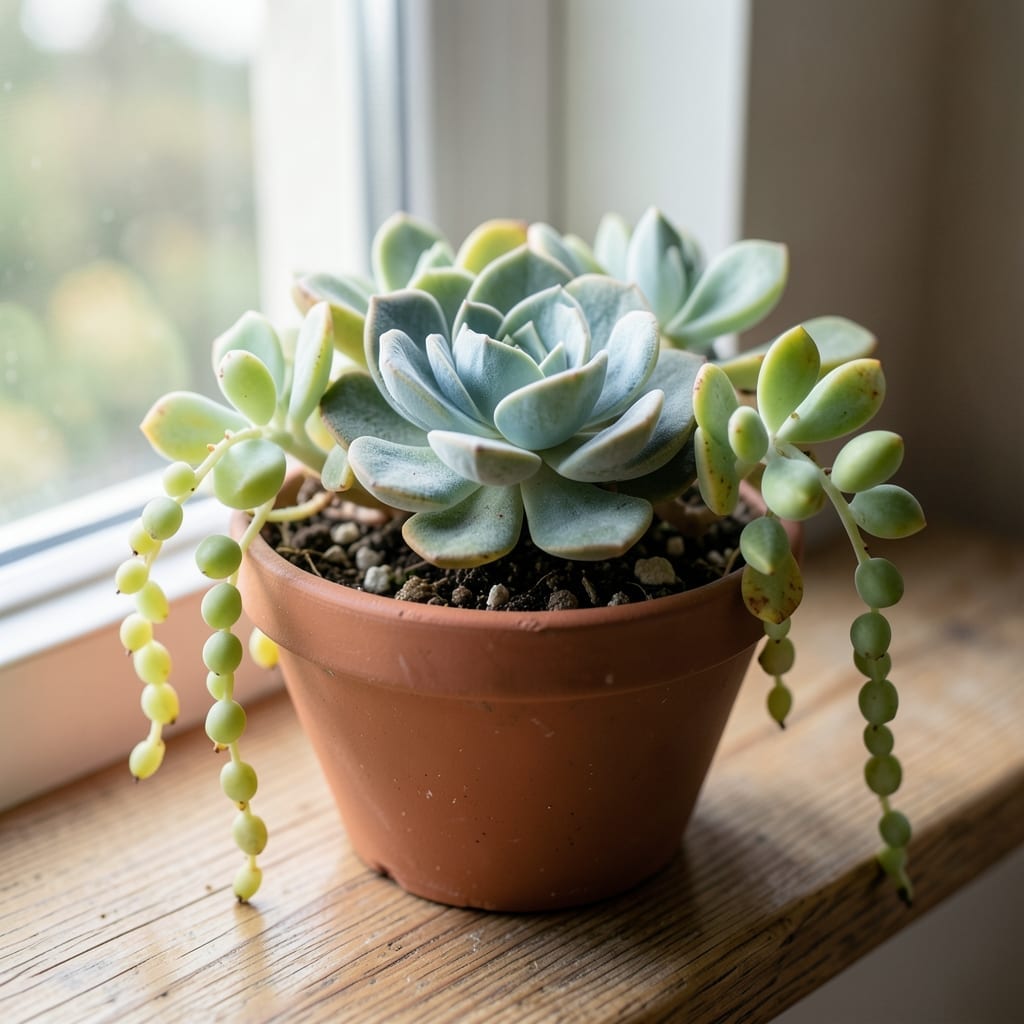
Yellowing succulents always signal something’s wrong. I’ve saved dozens by learning to read these early warnings—usually it’s too much water or not enough light.
Most people overwater, thinking dry soil means thirsty plants. Succulents store water in their leaves, so soggy roots do more harm than a little drought ever could.
The fix often starts with checking drainage and adjusting your watering schedule. Within 2-3 weeks, you’ll see fresh growth replacing the yellow.
Prevention is simpler than cure: bright light, well-draining soil, and a hands-off approach work wonders for keeping them vibrant green.
Succulents turning yellow is often a sign of stress, and the culprit usually comes down to a few key issues. Here’s why it happens:
Succulents store water in their leaves, so too much water leads to root rot and yellowing. The roots suffocate in soggy soil, unable to absorb oxygen, and the plant reacts by shedding its once-vibrant green. Action: Let the soil dry completely between waterings—stick your finger in; if it’s damp, wait.
These sun-loving plants need bright, direct light to maintain their color. Without enough, they stretch (etiolate) and turn yellow or pale. South-facing windows are ideal, but a grow light works if natural light is scarce. Action: Gradually introduce more light to avoid shocking the plant.
Extreme heat or cold can disrupt photosynthesis, causing yellowing. Succulents prefer temps between 60–80°F (15–27°C). Frost or scorching sun can damage cells, leading to discoloration. Action: Move plants indoors during temperature swings or provide shade cloth in summer.
While succulents thrive in poor soil, a lack of nitrogen or magnesium can cause yellowing. Nitrogen deficiency starts with lower leaves turning yellow, while magnesium shows as yellow patches between veins. Action: Use a diluted, balanced fertilizer (like 10-10-10) sparingly during the growing season.
Mealybugs, spider mites, or scale sap nutrients from leaves, leading to yellow spots or wilting. Check undersides of leaves and stems for webbing, white cottony clumps, or tiny bugs. Action: Isolate the plant and treat with insecticidal soap or neem oil.
Don’t panic—yellowing succulents can often be revived with a few simple tweaks. Below are targeted fixes for each common cause, plus prevention tips to keep your plants thriving long-term.
If soggy soil is the culprit, stop watering immediately. Gently remove the succulent from its pot and check the roots—black or mushy roots mean rot. Trim affected roots with clean scissors, repot in fresh, well-draining soil (cactus mix works best), and wait at least a week before watering again. Prevention tip: 💡 Water only when the top 1-2 inches of soil are bone dry, and ensure pots have drainage holes.
If your succulent looks bleached or crispy, it’s likely sunburned. Move it to a spot with bright, indirect light (east-facing windows are ideal). For outdoor plants, provide afternoon shade. Prevention tip: ✨ Gradually acclimate succulents to direct sunlight over 1-2 weeks to avoid shock.
Leggy, pale succulents need more light. Place them near a south or west-facing window, or use a grow light for 12-14 hours daily. Rotate the pot weekly for even growth. Prevention tip: 🎯 If natural light is limited, invest in a full-spectrum LED grow light.
Yellowing from nutrient deficiency? Use a diluted succulent fertilizer (half-strength) once in spring and once in summer. Avoid fertilizing in fall/winter. Prevention tip: 🌡️ Repot every 2-3 years with fresh soil to replenish nutrients.
Check undersides of leaves for mealybugs or spider mites. Wipe them off with a cotton swab dipped in rubbing alcohol, or spray with neem oil. Isolate the plant to prevent spreading. Prevention tip: 🔥 Inspect new plants before bringing them near your collection.
Water only when the top 1-2 inches of soil are bone dry. Typically, this means every 2-3 weeks, but check the soil first. Overwatering is the most common cause of yellowing.
Unfortunately, no. Once leaves turn yellow, they won’t recover. However, new healthy growth will replace them once you fix the underlying issue, like adjusting water or light.
Use a well-draining mix like cactus or succulent soil. Avoid regular potting soil, as it retains too much moisture. You can also add perlite or coarse sand for better drainage.
Yes, gently pluck yellow leaves to redirect energy to healthy growth. This also prevents potential spread of issues like pests or rot. Always use clean tools.