
Beautiful Plants For Your Interior
Beautiful Plants For Your Interior
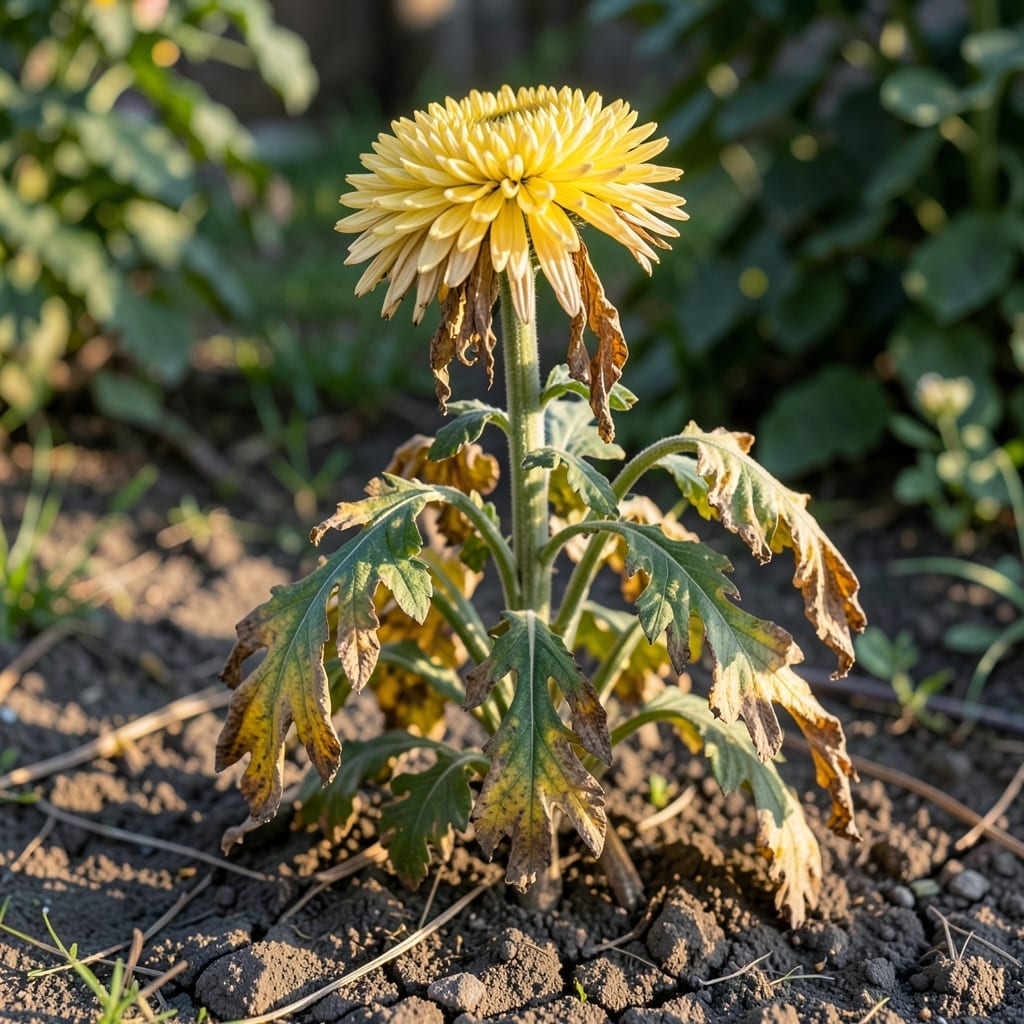
Watching your mums wilt is heartbreaking. I’ve lost more than I care to admit to overwatering—turns out they prefer it on the dry side between drinks.
Most mums die from 4 preventable mistakes: soggy roots, poor drainage, too much shade, or ignoring early pest signs. The fix is often simpler than you think.
With a few adjustments to your watering routine and planting spot, you’ll see new growth within 7-10 days. The plants bounce back faster than you’d expect.
Here’s the thing—mums are tougher than they look. They just need the right conditions to prove it.
Understanding why your mums (chrysanthemums) are struggling starts with identifying the root causes. These hardy plants can decline due to a few key issues, often tied to their environment or care. Here’s what might be happening:
Mums hate soggy roots. Overwatering or heavy, compacted soil suffocates their roots, leading to rot. Ensure pots have drainage holes, and water only when the top inch of soil feels dry. Use well-draining soil mixes to prevent waterlogging.
Mums thrive in full sun (6+ hours daily). Too little light weakens them, causing leggy growth and poor blooming. Conversely, intense afternoon heat in hot climates can scorch leaves. Aim for bright, indirect light in extreme heat.
These plants prefer cool to moderate temperatures (60–75°F). High heat or sudden frost can shock them. If growing outdoors, plant in early fall or spring to avoid temperature extremes.
Common culprits include aphids, spider mites, or powdery mildew. Inspect leaves for webbing, spots, or sticky residue. Treat with neem oil or insecticidal soap, and space plants for airflow to reduce fungal risks.
Yellowing leaves or stunted growth may signal lack of nitrogen or potassium. Use a balanced fertilizer (10-10-10) every 2–4 weeks during the growing season, but avoid over-fertilizing, which can burn roots.
If your mums are struggling, don’t panic—there are simple fixes for the most common issues. Below are practical solutions, cause by cause, plus prevention tips to keep your plants thriving. 🌼
Fix: Check the soil—if it’s bone-dry, water deeply until it drains from the bottom. If it’s soggy, let it dry out before watering again. For potted mums, ensure the container has drainage holes. Water at the base (not the leaves) to prevent rot.
Prevent: Stick your finger an inch into the soil—water only when the top layer feels dry. Use a moisture meter if unsure. 💡
Fix: Move mums in full sun to partial shade if leaves look scorched. For leggy, weak stems, relocate to a spot with 6+ hours of sunlight daily.
Prevent: Observe your garden’s light patterns. Mums love morning sun and afternoon shade in hot climates. ✨
Fix: Spray aphids or spider mites off with water or use insecticidal soap. For powdery mildew (white fungal dust), remove affected leaves and improve airflow. Copper fungicide can help severe cases.
Prevent: Space plants 12–18 inches apart for airflow. Avoid overhead watering to reduce fungus risk. 🎯
Fix: Mix compost into the soil for nutrients. Use a balanced fertilizer (10-10-10) every 2–3 weeks during growth. Yellow leaves? Test soil pH—mums prefer slightly acidic (6.0–6.5).
Prevent: Amend soil with organic matter before planting. Fertilize lightly but consistently. 🌡️
Small changes can make a big difference—start with the simplest fix and watch your mums bounce back!
Water when the top 1 inch of soil feels dry. Typically every 2-3 days in hot weather, less often in cooler temps. Always check soil moisture first—overwatering is a common killer.
They need at least 6 hours of sunlight daily. In full shade, they’ll grow leggy with few blooms. Morning sun with afternoon shade works best in hot climates.
Yellow leaves often signal overwatering or nutrient deficiency. Check soil moisture and drainage first. If soil is fine, try a balanced 10-10-10 fertilizer.
Mums thrive between 60-75°F. They can handle light frost but may die in extreme heat. Plant in early fall or spring for best results.