
Beautiful Plants For Your Interior
Beautiful Plants For Your Interior
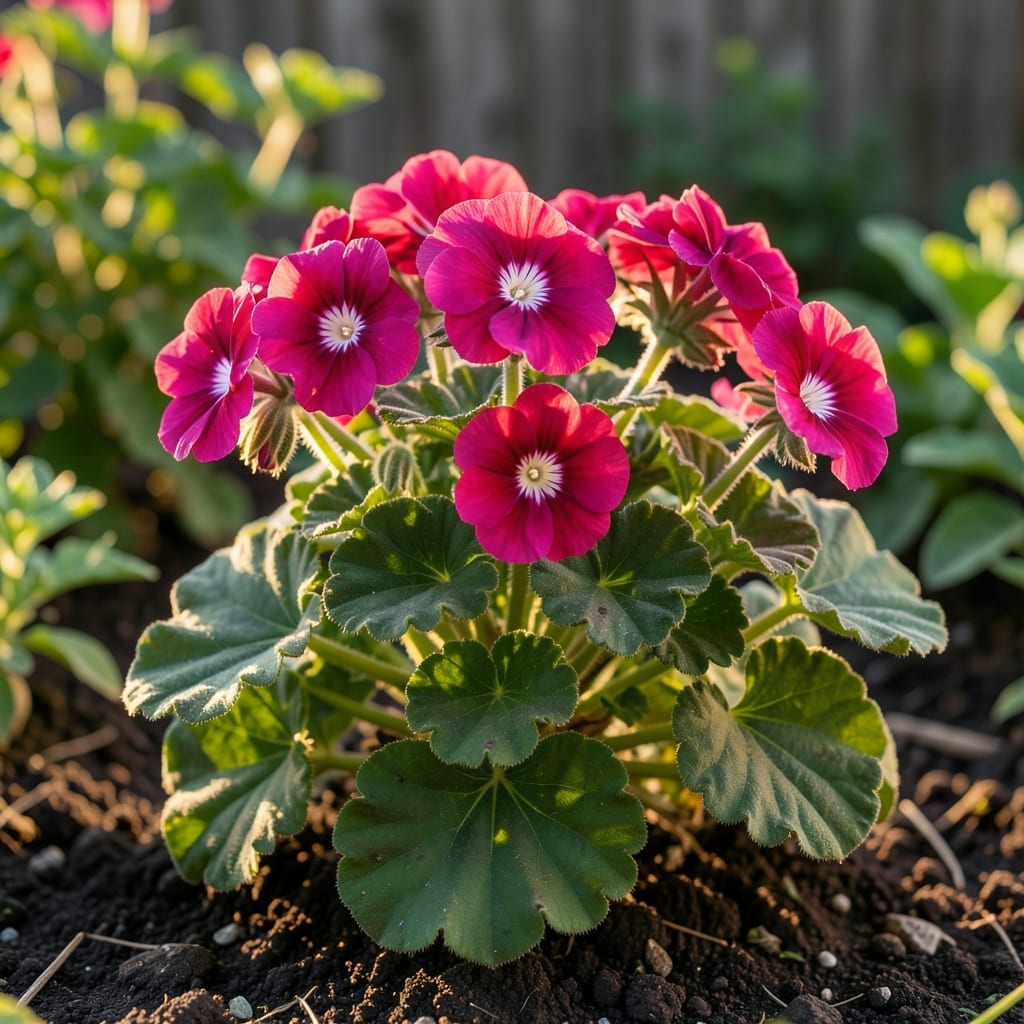
Nothing stings like watching vibrant geraniums fade to yellow. I learned the hard way that most decline stems from two simple mistakes: too much water or too little light.
Overwatering drowns roots before you see wilted leaves. Low light makes plants leggy and weak. Both are easily fixable once you spot the signs early.
Check soil with your finger before watering. Move pots to brighter spots if stems stretch. Small adjustments often save plants within a week.
Prevention is simpler than revival. Good drainage, consistent light, and regular checks keep geraniums thriving through the season.
Geraniums are hardy plants, but even they can struggle under suboptimal conditions. Here are the most frequent causes of their decline:
Geraniums hate soggy roots. Overwatering leads to root rot, a fungal infection caused by Phytophthora or Pythium species. These pathogens thrive in waterlogged soil, suffocating roots and blocking nutrient uptake. Signs: Yellowing leaves, wilting, and a foul odor from the soil. Always use pots with drainage holes and water only when the top inch of soil is dry.
Geraniums require 6–8 hours of direct sunlight daily for photosynthesis. Without enough light, they become leggy, weak, and prone to disease. Chlorophyll production drops, leading to pale or yellow leaves (chlorosis). South-facing windows or supplemental grow lights (12–16 hours/day) can correct this.
Extreme temperatures (below 50°F/10°C or above 90°F/32°C) disrupt cellular function. Cold snaps cause chilling injury, while heat stress accelerates water loss. High humidity (above 60%) encourages fungal diseases like botrytis blight (gray mold). Maintain stable conditions and ensure good air circulation.
A lack of nitrogen (stunted growth, pale leaves), phosphorus (poor flowering, purple stems), or potassium (weak stems, yellow leaf edges) can cripple geraniums. Use a balanced, water-soluble fertilizer (10-10-10 NPK) every 4–6 weeks during the growing season.
Spider mites, aphids, and whiteflies sap plant fluids, introducing toxins and viruses. Spider mites (tiny red or yellow bugs) cause stippling on leaves, while aphids leave sticky honeydew. Treat with neem oil or insecticidal soap at first signs.
Bringing your geraniums back to life is often simpler than you think. Below are targeted fixes for the most common issues, along with tips to keep them thriving long-term.
If your geraniums are wilting or developing yellow leaves, stop watering immediately. Remove the plant from its pot and check the roots—mushy, dark roots indicate rot. Trim affected roots with clean scissors, repot in fresh, well-draining soil, and water only when the top inch of soil is dry. Prevention tip: 💡 Use pots with drainage holes and a gritty potting mix to avoid waterlogging.
Leggy stems and pale leaves signal a lack of light. Geraniums need at least 6 hours of sunlight daily. Move them to a south- or west-facing window, or supplement with a grow light. Rotate the pot weekly for even growth. Prevention tip: ✨ If growing indoors, place them near the brightest spot available and dust leaves regularly to maximize light absorption.
Fungal diseases like powdery mildew thrive in stagnant air. Space plants apart, prune dense foliage, and ensure good airflow with a small fan on low. Avoid overhead watering to keep leaves dry. Prevention tip: 🌡️ Water early in the day so moisture evaporates quickly.
Check under leaves for aphids, spider mites, or whiteflies. Wipe them off with a damp cloth or spray with neem oil or insecticidal soap. Repeat every few days until gone. Prevention tip: 🎯 Inspect new plants before bringing them near your geraniums to avoid infestations.
Water only when the top 1 inch of soil feels dry. Typically, this means watering every 3-5 days in warm weather, less in cooler conditions. Always check soil moisture first!
Yes! Move them to brighter light and trim back long stems to encourage bushier growth. They’ll bounce back within 2-3 weeks with proper care.
A balanced, water-soluble fertilizer like 10-10-10 NPK works well. Feed every 4-6 weeks during the growing season for vibrant blooms.