
Beautiful Plants For Your Interior
Beautiful Plants For Your Interior
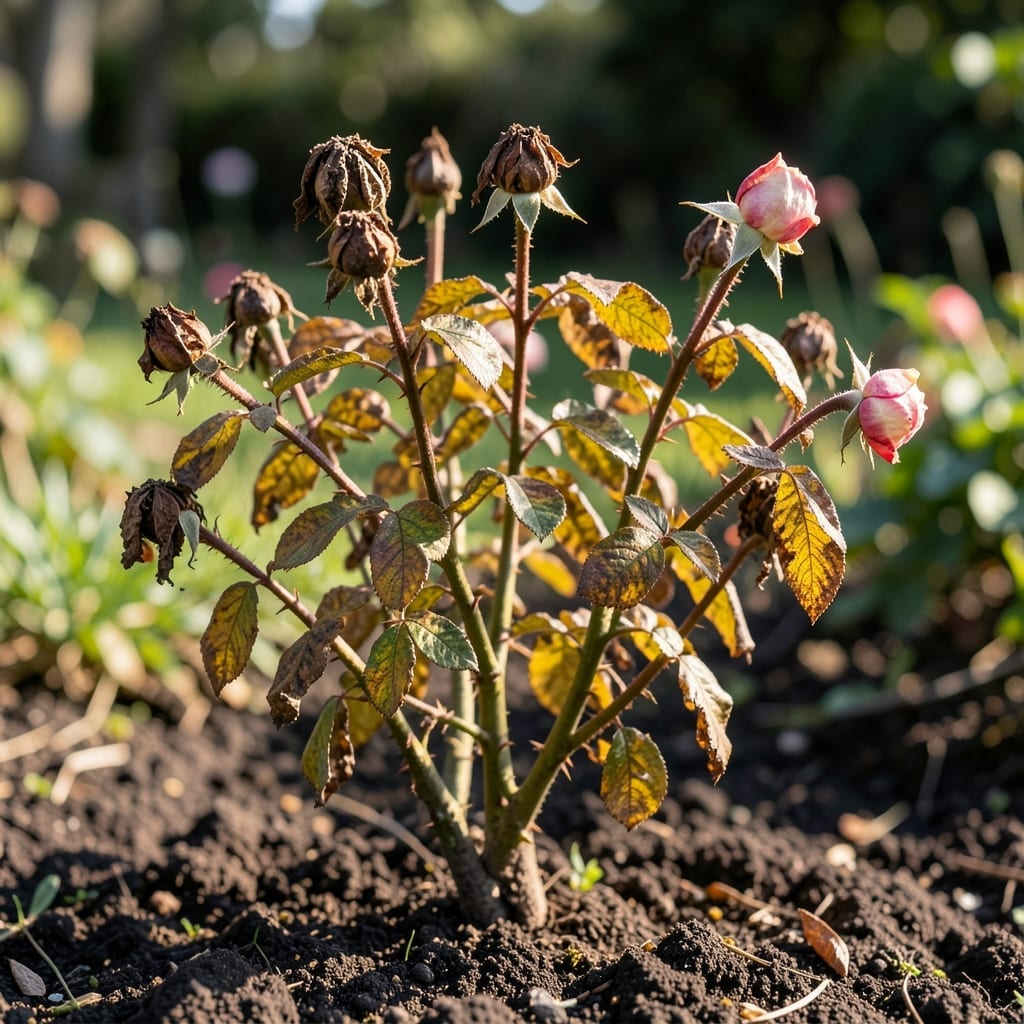
Yellow leaves and drooping stems don’t have to mean the end. I’ve saved more flowers than I can count by catching the warning signs early and acting fast.
The most common culprit is too much water—soggy soil suffocates roots, turning leaves yellow and stems mushy. But it could also be pests, poor soil, or even too much sun. The key is knowing what to look for.
With a few simple checks and adjustments, you can revive your plants in 24-48 hours. Most bounce back completely if you fix the problem before the roots rot or pests take over.
This works for potted plants, garden beds, and even cut flowers. Here’s how to diagnose and fix it before it’s too late.
Flowers wilt and die for a few key reasons, often tied to environmental stress or poor care. Below are the most common culprits, explained with science-backed clarity.
Too much water suffocates roots by displacing oxygen in the soil, leading to root rot—a fungal or bacterial infection. Roots turn mushy and black, unable to absorb nutrients. Fix: Let the top 1-2 inches of soil dry out between waterings. Use pots with drainage holes to prevent waterlogging.
Flowers need just the right light. Too little causes weak, leggy growth (etiolation), while too much can scorch leaves (photoinhibition). For example, impatiens thrive in shade, while roses demand full sun. Fix: Match your plant’s light needs to its location—rotate pots or use sheer curtains to diffuse harsh rays.
Extreme heat or cold disrupts cellular processes. Tropical plants like orchids may droop in dry air (<40% humidity), while cold-sensitive species (e.g., geraniums) blacken in frost. Fix: Maintain stable conditions—group plants to raise humidity or move them indoors during temperature swings.
Yellowing leaves (chlorosis) often signal a lack of nitrogen, iron, or magnesium. Over-fertilizing, however, can burn roots with salt buildup. Fix: Use a balanced, water-soluble fertilizer (10-10-10) every 2-4 weeks during growing season, and flush soil with water monthly to remove excess salts.
Aphids, spider mites, or fungal pathogens (like powdery mildew) sap a plant’s vitality. Look for sticky residue (honeydew), webbing, or white powdery spots. Fix: Isolate affected plants, remove pests manually, or apply neem oil. Prune diseased foliage to stop spread.
Don’t panic—your wilting blooms can often be saved with a few simple adjustments. Below are targeted fixes for the most common issues, plus prevention tips to keep your flowers thriving.
If your flowers are drooping with yellowing leaves, stop watering immediately. Check the soil: if it feels soggy, let it dry out completely before the next watering. Repot the plant in fresh, well-draining soil if root rot is suspected. Prevention tip: Use pots with drainage holes and water only when the top inch of soil is dry. 💡
Crispy, brittle leaves or dry soil mean your flowers are thirsty. Give them a deep watering until water runs out the drainage holes. For potted plants, soak the base in a tray of water for 10–15 minutes. Prevention tip: Set a reminder to water consistently, but adjust for weather—hot days need more moisture. 🌡️
Weak stems or stunted growth often signal nutrient deficiencies. Mix in compost or slow-release fertilizer to replenish the soil. For quick results, use a liquid fertilizer diluted to half strength. Prevention tip: Refresh potting soil every 1–2 years to avoid depletion. ✨
Visible bugs or sticky residue (like aphids) require action. Spray leaves with a mild soap-and-water solution or introduce beneficial insects like ladybugs. For stubborn infestations, use neem oil. Prevention tip: Inspect new plants before bringing them home and keep foliage clean. 🎯
Bleached or scorched leaves mean too much direct sunlight. Move your flowers to a spot with bright, indirect light or provide afternoon shade. Prevention tip: Research your plant’s light needs—some thrive in shade, while others need full sun. 🌿
Yellowing leaves and soggy soil are the biggest red flags. Stick your finger 1-2 inches into the soil—if it feels damp, hold off on watering for a few days.
Most can recover in 24-48 hours with the right fix. Trim dead foliage, adjust watering, and move them to a better spot. If roots are mushy, repot in fresh soil.
Look under leaves for tiny bugs, webbing, or sticky residue. A magnifying glass helps spot spider mites. Isolate affected plants immediately to prevent spread.
Crispy leaves usually mean underwatering or low humidity. Give them a deep soak and mist leaves daily. Grouping plants can also raise humidity levels.