
Beautiful Plants For Your Interior
Beautiful Plants For Your Interior
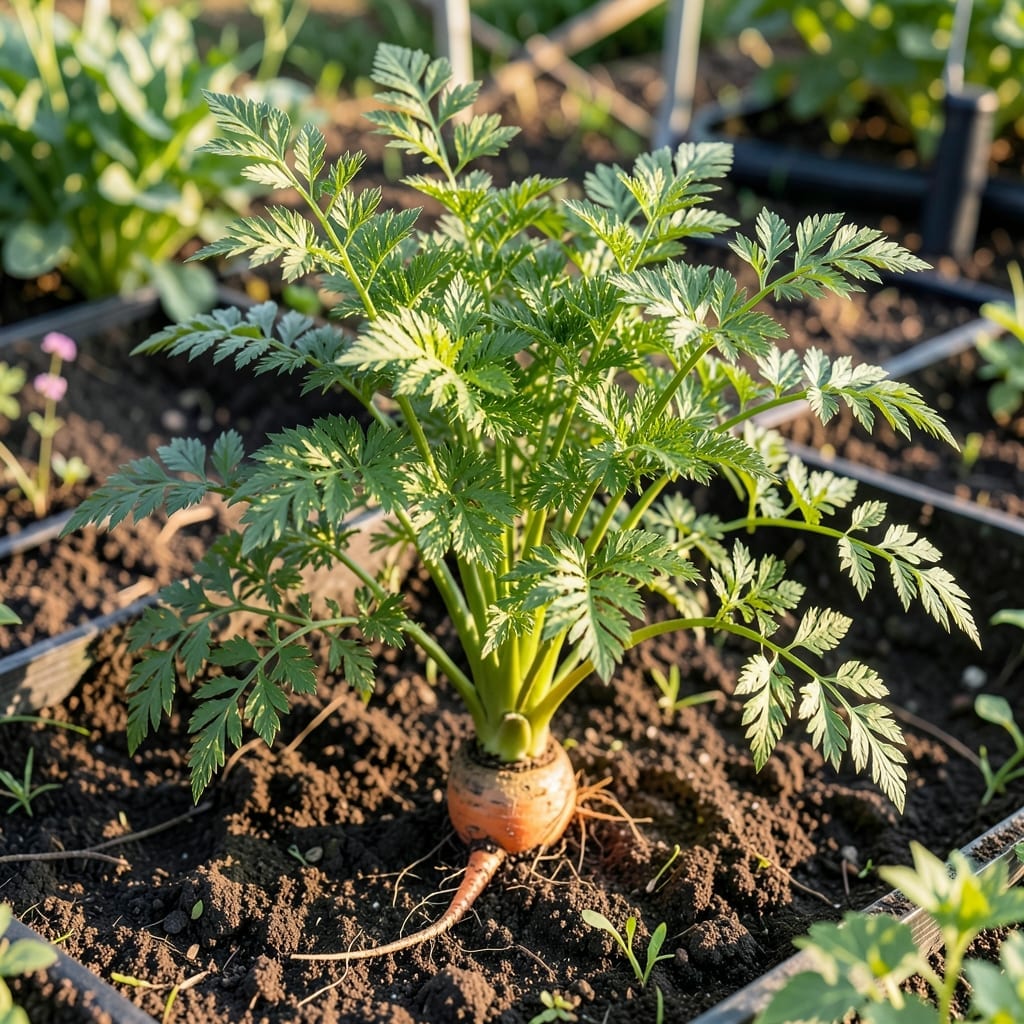
Tiny carrots with big tops? That was my first season. Turns out, they need loose soil to stretch their roots and full sun to thrive. Most gardeners don’t realize how compacted soil can stunt growth entirely.
I learned the hard way that overcrowding and shallow planting also cause problems. Seeds need space to develop properly, and shallow soil means they hit resistance too soon. Even watering can make or break your crop.
With the right soil prep and spacing, you’ll see a difference within 2-3 weeks. The greens grow taller and the roots finally start pushing down like they should. It’s all about giving them room to work.
Works for any variety, whether you’re growing in-ground or in deep containers. Let’s fix this together.
Carrots can be finicky, and several factors might stunt their growth. Here are the most common culprits:
Carrots thrive in loose, well-draining soil with a pH between 6.0 and 6.8. Compacted or rocky soil prevents roots from expanding, leading to stunted or misshapen carrots. Heavy clay soil retains too much moisture, suffocating roots, while sandy soil drains too quickly, starving them of nutrients.
Carrots need full sun (6–8 hours daily) to develop properly. Shade from nearby plants or structures slows photosynthesis, reducing sugar production and stunting growth. Even partial shade can lead to thin, weak carrots.
Inconsistent moisture is a top reason for poor growth. Overwatering causes rot, while underwatering leads to tough, woody roots. Carrots need 1–1.5 inches of water per week, applied evenly to keep soil moist but not soggy.
Too much nitrogen (common in fresh manure) promotes leafy tops at the expense of root development. Carrots prefer balanced fertility with emphasis on phosphorus and potassium for strong root growth. A soil test can reveal imbalances.
Carrot rust flies, nematodes, and fungal diseases like aster yellows can cripple growth. Pests lay eggs near roots, and larvae tunnel into them, while diseases disrupt nutrient uptake. Crop rotation and row covers help prevent infestations.
Stunted or slow-growing carrots can be frustrating, but these targeted fixes will get your crop back on track. Address the root cause with simple, actionable steps—and keep future harvests thriving with easy prevention tips.
Carrots need loose, stone-free soil to grow straight and long. Fix it: Work in compost or well-rotted manure to improve texture. For heavy clay, mix in sand or coconut coir. Prevention tip: 💡 Test soil before planting—aim for a pH of 6.0–6.8. Avoid fresh manure, which can cause forked roots.
Carrots need 6–8 hours of direct sunlight daily. Fix it: Thin nearby plants or move containers to sunnier spots. If shade is unavoidable, opt for shorter varieties like ‘Paris Market.’ Prevention tip: 🎯 Rotate beds yearly to ensure consistent light access.
Too much water causes rot; too little leads to bitter, stunted roots. Fix it: Keep soil evenly moist (not soggy) with 1–1.5 inches of water weekly. Use drip irrigation to avoid wetting foliage. Prevention tip: ✨ Mulch with straw to retain moisture and prevent crusting.
Crowded carrots compete for nutrients and space. Fix it: Thin seedlings to 2 inches apart when they’re 2 inches tall. Use scissors to avoid disturbing roots. Prevention tip: 🌱 Sow seeds sparsely or use pelleted seeds for easier spacing.
Yellowing leaves or weak growth may signal a lack of nitrogen or potassium. Fix it: Side-dress with a balanced organic fertilizer (10-10-10) or fish emulsion. Avoid high-nitrogen feeds, which promote leafy tops over roots. Prevention tip: 🔥 Amend soil with compost each season to maintain fertility.
Plant seeds no deeper than ¼ inch. Carrots struggle to push through heavy soil, so shallow planting helps them emerge faster. Cover lightly with soil and keep moist until germination.
Yes, but choose deep containers (at least 12 inches deep) to accommodate root growth. Use loose potting mix and ensure adequate drainage. Shorter varieties like ‘Paris Market’ work best.
This often means too much nitrogen in the soil. Switch to a balanced fertilizer with more phosphorus and potassium. Avoid fresh manure, which can cause excessive leaf growth.
Water consistently to keep soil evenly moist—about 1-1.5 inches per week. Avoid letting soil dry out completely or become waterlogged. Mulch helps retain moisture.