
Beautiful Plants For Your Interior
Beautiful Plants For Your Interior
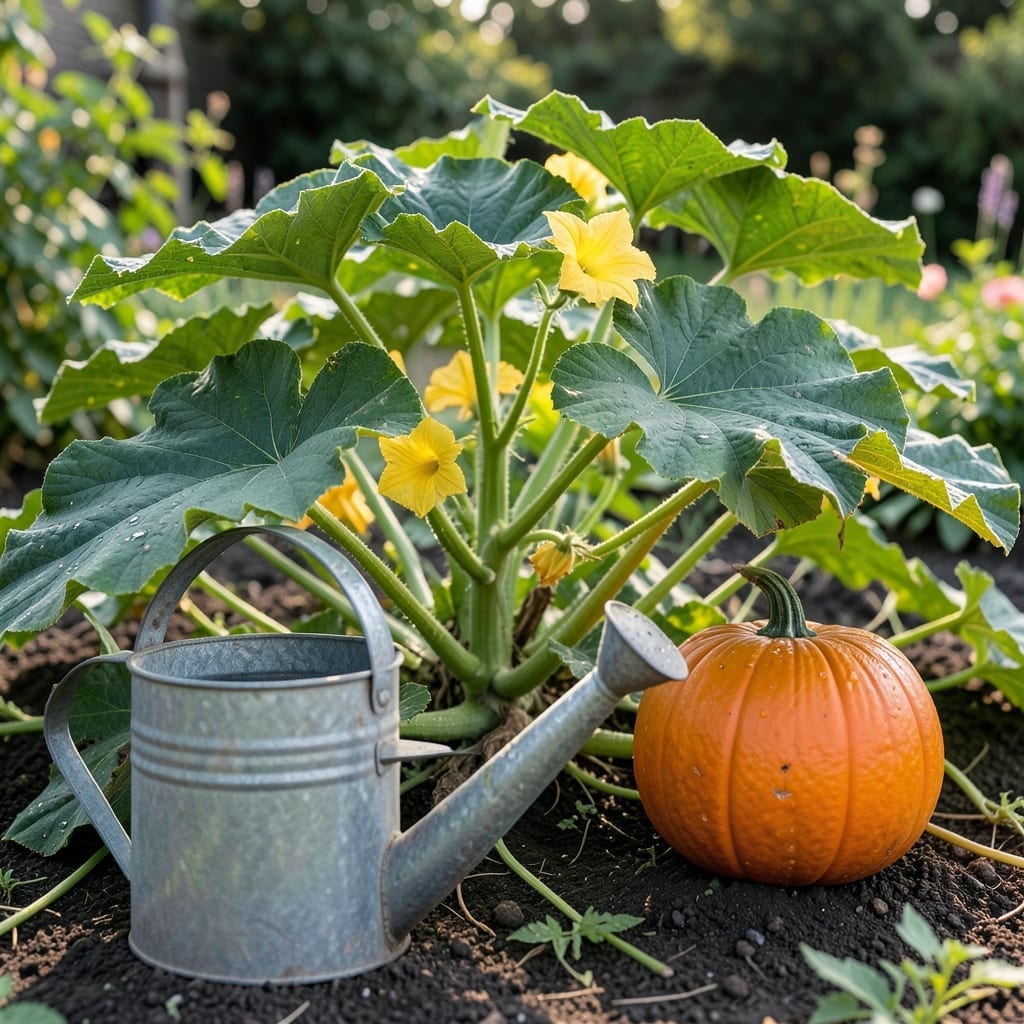
Pumpkins are thirsty plants, but overwatering can be just as damaging as underwatering. Getting the right balance is the key to growing large, healthy 🎃 for your fall harvest.
I’ve learned through trial and error that these vining giants have specific needs that change throughout their growth cycle. What works for seedlings won’t cut it when fruits start forming.
Let me walk you through exactly how much water pumpkins need at each stage, plus the telltale signs you’re giving them too much or too little. Your biggest harvest yet starts here.
Pumpkins have changing water needs as they grow, and I’ve found that getting this right makes all the difference. From tiny seedlings to sprawling vines with developing fruit, each stage demands a different approach to moisture management for optimal growth.
I learned early on that what works for young plants won’t cut it when those orange orbs start forming. The key is adjusting your watering routine as the plant matures, especially during critical periods like flowering and fruit set.
| Growth Stage | Water Needs | Frequency |
|---|---|---|
| Seedling | Keep soil evenly moist | Daily |
| Vine Growth | 1 inch per week | Every 2-3 days |
| Flowering | 1-1.5 inches per week | Every 3-4 days |
| Fruit Development | 1.5-2 inches per week | Every 3-5 days |
During the seedling stage, I make sure the soil stays consistently moist but not waterlogged. These young plants have shallow roots and need frequent light watering to establish themselves without the risk of rot.
As the vines begin to spread, I increase the water volume but space out the frequency. This encourages deep root growth while preventing fungal issues. The soil should be moist 6 inches down at this point.
When flowers appear, I bump up the water slightly. This is when the plant starts working overtime to produce fruit, and consistent moisture is crucial for successful pollination and fruit set.
The most critical watering period comes during fruit development. I give my pumpkins 1.5-2 inches per week, making sure the soil never dries out completely. This prevents fruit cracking and ensures steady growth.
I always water in the early morning to allow foliage to dry before evening. This simple practice has saved me from countless powdery mildew problems that can plague pumpkin patches.
For mature plants nearing harvest, I start to taper off the water slightly. This helps the rind harden properly and prevents watery, less flavorful pumpkins. The last 2 weeks before harvest, I reduce water by about 30%.
Remember, these are general guidelines. Your specific needs may vary based on soil type, weather conditions, and pumpkin variety. Sandy soils dry out faster, while clay holds moisture longer.
Mastering the watering technique is just as important as knowing how much water pumpkins need. I’ve discovered that proper timing and method can make or break your harvest, especially during hot summer months.
I always aim to water my pumpkins early in the morning, ideally before 10 AM. This gives the foliage time to dry before evening, which significantly reduces the risk of fungal diseases that thrive in damp conditions.
I use the finger test to check soil moisture. If the top 2 inches of soil feel dry, it’s time to water. For established plants, I aim for deep watering that reaches at least 6-8 inches into the soil.
Drip irrigation is my preferred method as it delivers water directly to the roots while keeping the foliage dry. This is especially important during hot weather when pumpkins are most susceptible to powdery mildew.
I avoid overhead watering whenever possible. When water sits on the leaves, it creates the perfect environment for diseases to take hold. If I must use a sprinkler, I do it early enough that the leaves can dry completely before nightfall.
During extreme heat, I might water every day, but I always check the soil first. Pumpkins in sandy soil will need more frequent watering than those in clay soil, which retains moisture longer.