
Beautiful Plants For Your Interior
Beautiful Plants For Your Interior
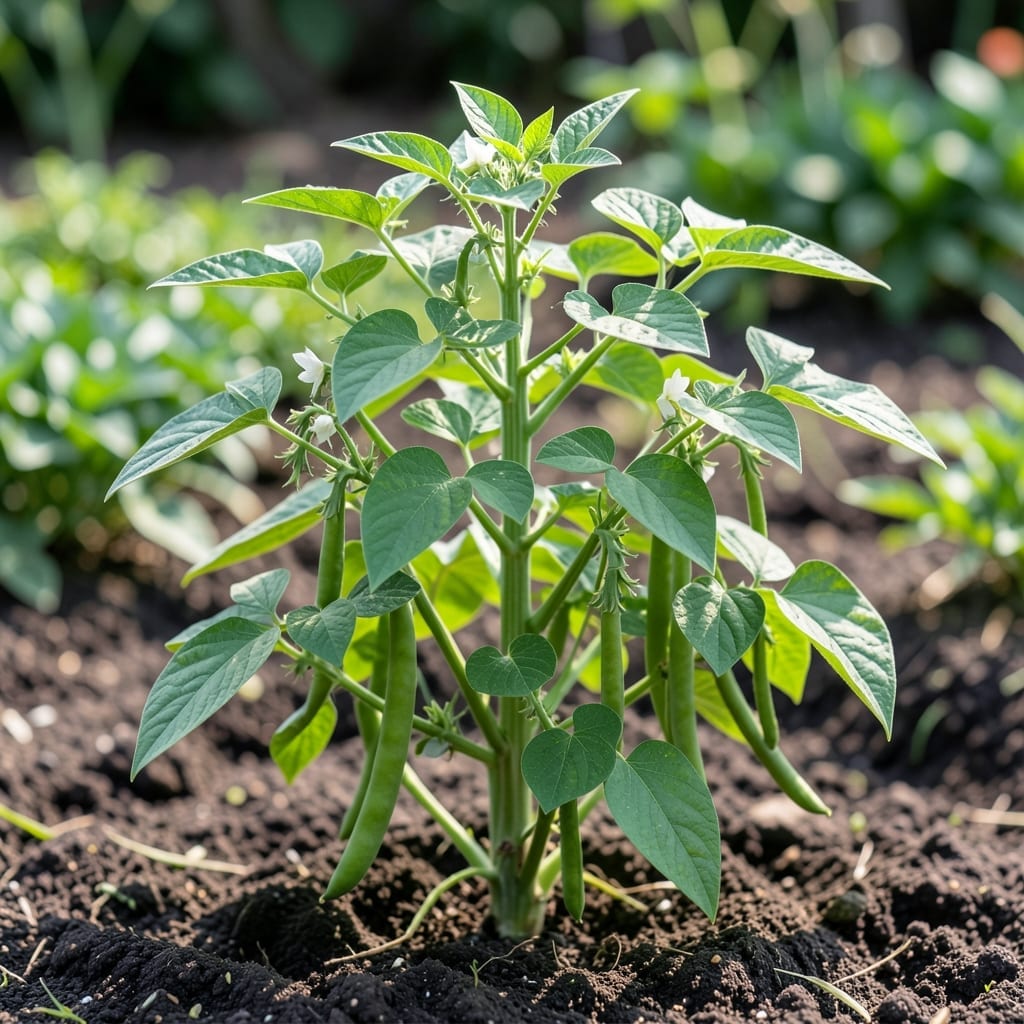
I planted bush beans expecting compact plants, but now they’re climbing like pole beans. It’s confusing, but there’s always a reason—usually a seed mix-up or unexpected environmental trigger.
Sometimes the seed packet label is wrong, or a rogue vine bean sneaked into the mix. Other times, crowded plants or excess nitrogen stretch them upward. I’ve seen this happen when beans get too much shade and reach for light.
Check your seed source first. If it’s not a labeling error, look at spacing and soil. Bush beans should stay 18-24 inches tall without support, so something’s off.
The fix is often simple: thin seedlings, adjust fertilizer, or add a trellis just in case. You’ll get it sorted.
Bush beans are bred to grow compact and non-climbing, so when they start vining, it’s usually a sign of underlying factors at play. Here’s why it happens:
Bush beans are a determinate variety, meaning they grow to a set height and stop. However, if the seeds come from a hybrid or heirloom with pole bean ancestry, some plants may revert to their vining traits. This genetic throwback can cause unexpected vine growth, even in labeled bush varieties.
When planted too closely, bush beans compete for light and nutrients. This stress can trigger a survival response, prompting the plants to stretch upward and vine in search of sunlight. Thin seedlings to 4–6 inches apart to prevent this.
Too much nitrogen in the soil fuels leafy, vine-like growth instead of compact bushes. Bush beans thrive on balanced fertilization—prioritize phosphorus and potassium for root and pod development. Test your soil and adjust amendments accordingly.
Bush beans need full sun (6–8 hours daily). In shaded areas, they may elongate and vine to reach light, mimicking pole beans. Ensure they’re planted in a sunny spot or use reflective mulches to maximize light exposure.
If your bush beans are vining, don’t panic—there are simple ways to get them back on track. Below are targeted fixes for the most common causes, along with tips to keep your plants compact and productive.
Too many plants competing for space can trigger vining. Solution: Thin seedlings to 4–6 inches apart once they have two true leaves. Use scissors to snip unwanted seedlings at soil level to avoid disturbing roots. Prevention tip: 💡 Sow seeds at the recommended spacing from the start (check your seed packet for exact distances).
Bush beans need 6–8 hours of direct sunlight daily. If they’re stretching for light, they’ll vine. Solution: Relocate pots to a sunnier spot or trim nearby plants casting shade. For garden beds, consider reflective mulch to bounce extra light onto leaves. Prevention tip: 🎯 Plant in a south-facing area or use grow lights indoors if sunlight is limited.
Excess nitrogen promotes leafy, vining growth instead of bushy, pod-producing plants. Solution: Stop fertilizing immediately and flush the soil with water to leach out excess nutrients. Switch to a low-nitrogen, high-phosphorus fertilizer (like 5-10-10) to encourage flowering. Prevention tip: ✨ Test your soil before planting and amend only as needed—bush beans often thrive with minimal fertility.
High temperatures can stress bush beans into vining. Solution: Use shade cloth (30–50%) during peak afternoon heat and ensure consistent moisture—1 inch of water per week. Mulch around plants to retain moisture and cool roots. Prevention tip: 🌡️ Plant early in the season or choose heat-tolerant varieties labeled for your region.
Yes, it happens more often than you’d think. Some seed packets contain pole bean varieties by mistake. Check the original packaging for any signs of mixing or contact the supplier if you suspect an error.
Space seeds 4–6 inches apart at planting. Use a ruler or marked stick for accuracy. Thin seedlings early to avoid competition for light and nutrients.
Switch to a low-nitrogen formula like 5-10-10. Too much nitrogen encourages leafy growth. Focus on phosphorus for flowering and pod development.
It can, but it’s a temporary fix. A trellis supports vining plants, but addressing the root cause (light, spacing, or fertilizer) ensures future plants stay compact.