
Beautiful Plants For Your Interior
Beautiful Plants For Your Interior
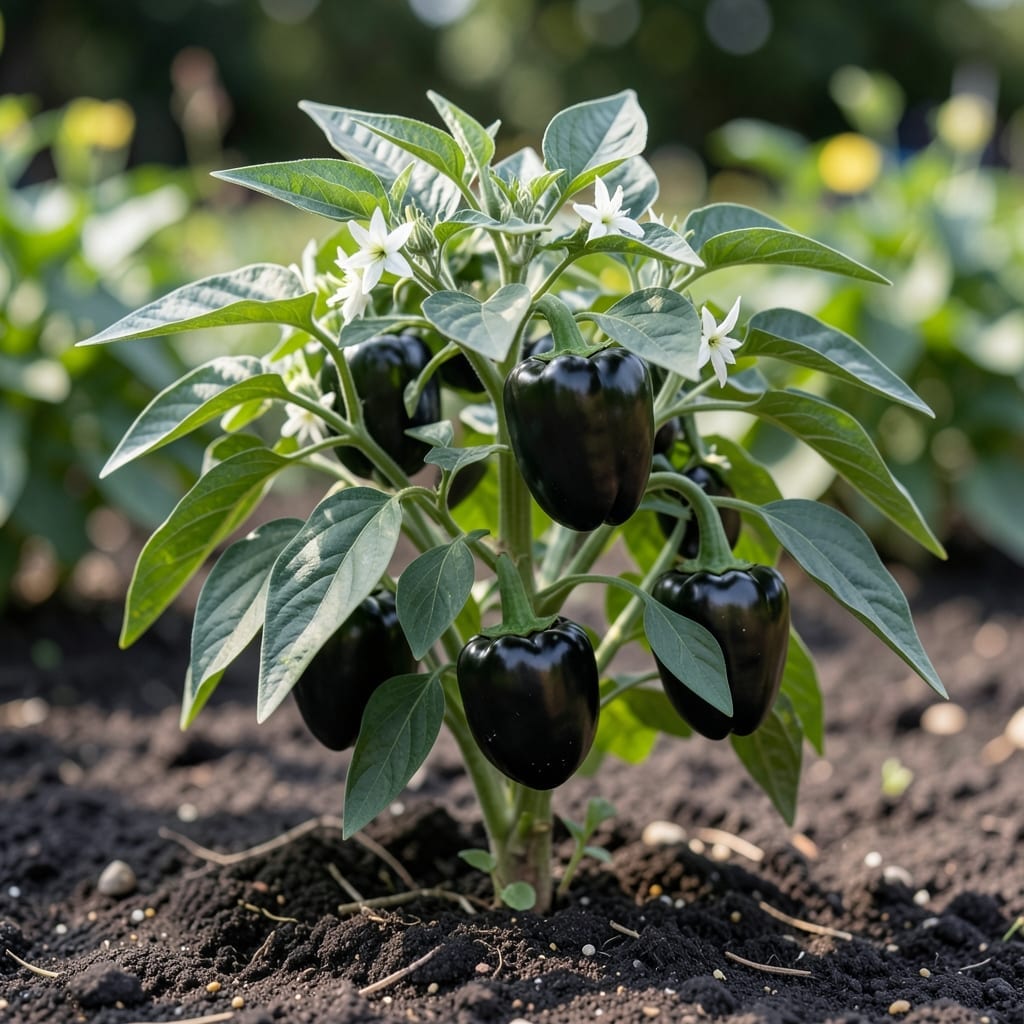
Black peppers mean your plants are sending an SOS. I’ve seen this happen overnight with my own crop, and it’s always a sign something’s off with their environment or care.
Usually it’s one of three culprits: blossom end rot, sunburn, or a fungal infection. Each leaves a different black pattern, so the first step is figuring out which one you’re dealing with.
Good news—most causes have simple fixes. Adjusting water, shade, or airflow often stops the spread within days. The key is acting fast before the whole plant suffers.
We’ll walk through how to diagnose the exact issue and what to do about it. Your peppers can still bounce back this season.
Blackening on bell peppers is a distress signal from the plant, and the culprits are usually environmental, fungal, or cultural. Below are the most common causes, explained in simple terms.
Bell peppers thrive in warm conditions (70–85°F). When exposed to cold snaps below 50°F or heat spikes above 90°F, the plant’s cells can collapse, leading to black or dark brown patches on leaves, stems, or fruit. This is called chilling injury or heat necrosis. The damage is often irreversible, but protecting plants with row covers or shade cloth can prevent further harm.
Fungi like Alternaria and Phytophthora thrive in wet, humid conditions, causing dark, sunken lesions on peppers. Overhead watering or poor air circulation exacerbates the problem. To confirm, check for black spots with yellow halos or fuzzy growth. Treat with copper-based fungicides and improve drainage to stop the spread.
While often associated with tomatoes, blossom end rot also affects peppers. A lack of calcium in the soil (or uneven watering that disrupts calcium uptake) causes the bottom of the fruit to turn black and leathery. Test your soil and amend with gypsum or crushed eggshells. Consistent moisture is key—avoid drought stress followed by overwatering.
Sap-sucking pests like aphids and thrips can weaken plants, making them susceptible to secondary infections that cause blackening. Additionally, stink bugs pierce peppers, leaving behind dark, corky spots. Inspect the undersides of leaves for pests and use neem oil or insecticidal soap for early infestations.
If your bell peppers are turning black, don’t panic—there are practical fixes for each underlying cause. Below, we break down solutions by issue and share prevention tips to keep your plants thriving.
This calcium deficiency often appears as black, sunken spots on the fruit’s bottom. Fix it: Amend the soil with crushed eggshells or a calcium-rich fertilizer. Water consistently to help roots absorb nutrients. For a quick boost, spray plants with a calcium foliar solution.
Prevention tip: 💡 Test soil pH—bell peppers prefer a range of 6.0–6.8. Lime can raise pH and add calcium if levels are low.
Black spots with yellow halos or fuzzy growth signal disease. Fix it: Remove infected fruits and leaves immediately to stop the spread. Apply a copper fungicide or neem oil spray, following label instructions. Rotate crops yearly to break disease cycles.
Prevention tip: 🌡️ Avoid overhead watering—use a drip irrigation system to keep foliage dry. Space plants 18–24 inches apart for airflow.
Aphids, flea beetles, or slugs can cause blackened areas from feeding. Fix it: Blast pests off with water or introduce beneficial insects like ladybugs. For slugs, set up beer traps or use iron phosphate baits.
Prevention tip: ✨ Mulch with reflective silver film to deter beetles, and inspect plants weekly for early signs of infestation.
Too much sun or inconsistent watering can scorch peppers, turning them black. Fix it: Provide afternoon shade in extreme heat and mulch to retain moisture. Water deeply at the base 1–2 inches per week.
Prevention tip: 🎯 Use shade cloth during heatwaves and maintain even soil moisture to prevent stress.
With these targeted fixes and a little TLC, your bell peppers can bounce back to their vibrant, healthy selves!
Only if the blackening is from sunburn or blossom end rot. Cut off affected areas and use the rest. Discard any peppers with fungal growth or pest damage to avoid illness.
New growth appears within 7-14 days with proper care. Existing black spots won’t heal, but new fruit will develop normally. Consistency in water and nutrients speeds recovery.
Use drip irrigation at the base to keep foliage dry. Water deeply 1-2 inches per week, preferably in the morning. Avoid overhead watering to reduce fungal risks.
30-50% shade cloth protects plants during extreme heat. Install it above peppers during peak afternoon sun to prevent scorching while allowing light through.