
Beautiful Plants For Your Interior
Beautiful Plants For Your Interior
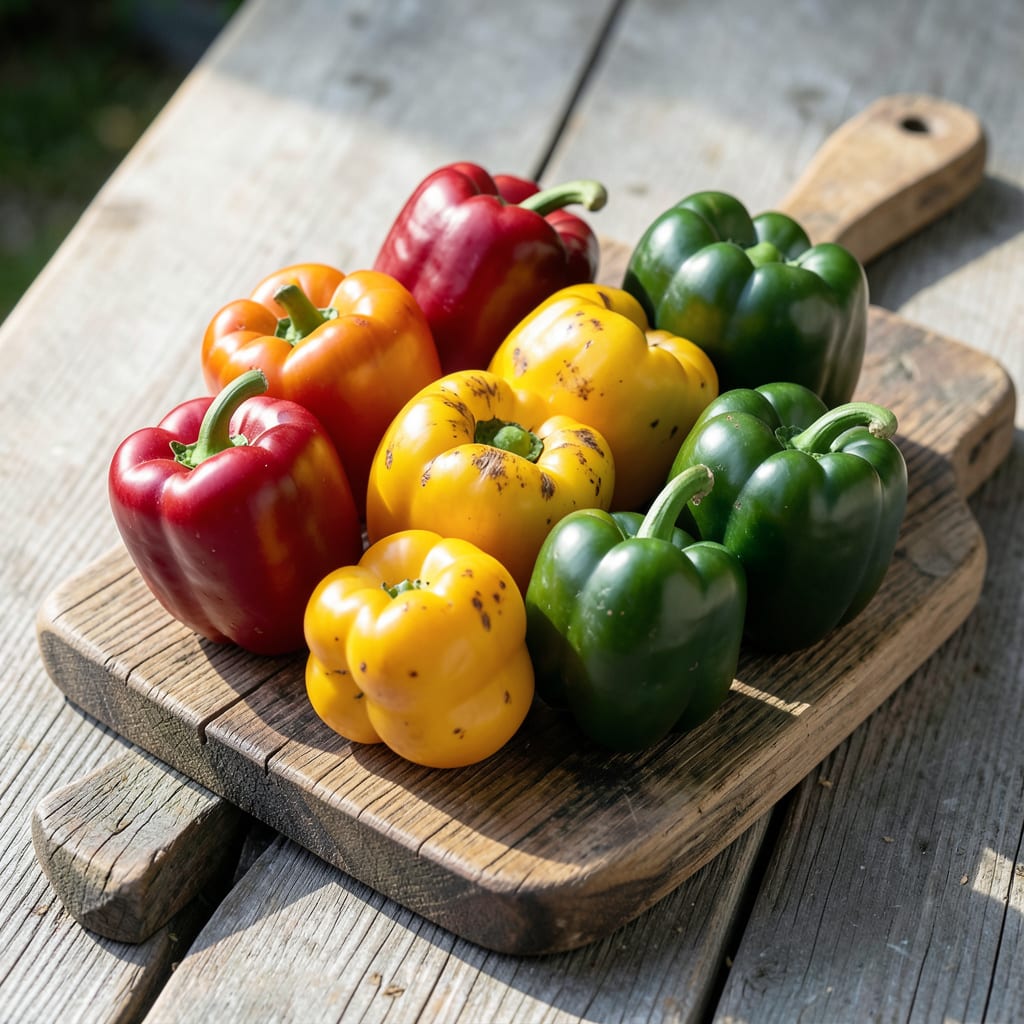
Brown spots on your bell peppers always feel like a gut punch after weeks of care. I’ve lost count of how many times I’ve spotted those unsightly marks and wondered what went wrong overnight.
Here’s the thing—those spots often point to 3 common culprits: fungal diseases, pest damage, or environmental stress. Each leaves a different pattern, and knowing the difference saves your harvest.
The good news? Most issues fix with simple adjustments. Better airflow, consistent watering, or a natural spray can turn things around in a week.
Let’s figure out exactly what’s happening and how to stop it before your next harvest suffers.
Brown spots on bell peppers can stem from several biological and environmental factors. Understanding the root cause is key to addressing the issue effectively.
Fungi like Alternaria or Phytophthora thrive in wet, humid conditions, causing dark, sunken spots on peppers. These pathogens spread through spores in soil or water, infecting plants via wounds or natural openings. Overhead watering and poor air circulation worsen the problem.
Extreme temperature swings or inconsistent watering can trigger blossom end rot, a calcium deficiency that appears as brown, leathery patches on the fruit’s bottom. Drought stress or waterlogged roots disrupt calcium uptake, even if the soil has enough of it.
Pests like stink bugs or spider mites pierce pepper skins to feed, leaving behind small, discolored wounds that expand into brown spots. These injuries also create entry points for secondary infections, compounding the damage.
A lack of essential nutrients—particularly magnesium or potassium—can manifest as brown spotting. Magnesium deficiency often causes interveinal chlorosis (yellowing between veins) first, while potassium shortages lead to scorched edges and spots on leaves and fruit.
Once you’ve identified the cause, these targeted fixes will help nurse your bell peppers back to health.
Mix 1 tbsp copper fungicide concentrate per gallon of water and spray both sides of the leaves, focusing on spotted areas. Apply early morning or late evening to avoid leaf burn. Repeat every 7–10 days until spots disappear. Prevention tip: 💡 Space plants 18–24 inches apart for airflow and water at the base, never overhead.
Dilute 2 tbsp neem oil + 1 tsp dish soap in 1 gallon of water and spray leaves, stems, and soil. Reapply every 5–7 days until pests (like aphids or spider mites) are gone. Prevention tip: 🎯 Introduce beneficial insects like ladybugs or use yellow sticky traps to monitor pest activity.
For sunscald, provide 30–40% shade cloth during peak afternoon sun. For blossom end rot, add crushed eggshells or calcium nitrate to soil and maintain consistent moisture. Prevention tip: ✨ Mulch with straw or wood chips to retain soil moisture and regulate temperature.
If spots stem from magnesium or potassium lack, work 1 cup of Epsom salt (magnesium) or wood ash (potassium) into the soil around each plant. Water deeply afterward. Prevention tip: 🌱 Test soil annually and amend with compost or balanced fertilizer (10-10-10) before planting.
Not always. They can also come from pests, nutrient shortages, or stress like uneven watering. Check the pattern—disease spots often spread while stress-related ones stay localized.
If the spots are small and the pepper feels firm, cut out the affected area. For soft or moldy spots, discard it to avoid risk. Always wash thoroughly before use.
Fungicide or neem oil may show improvement in 5-7 days. Environmental fixes like shade or watering adjustments can prevent new spots within 2-3 days.
Space plants 18-24 inches apart, water at the base, and add mulch. Test soil yearly and amend as needed to keep nutrients balanced.
