
Beautiful Plants For Your Interior
Beautiful Plants For Your Interior
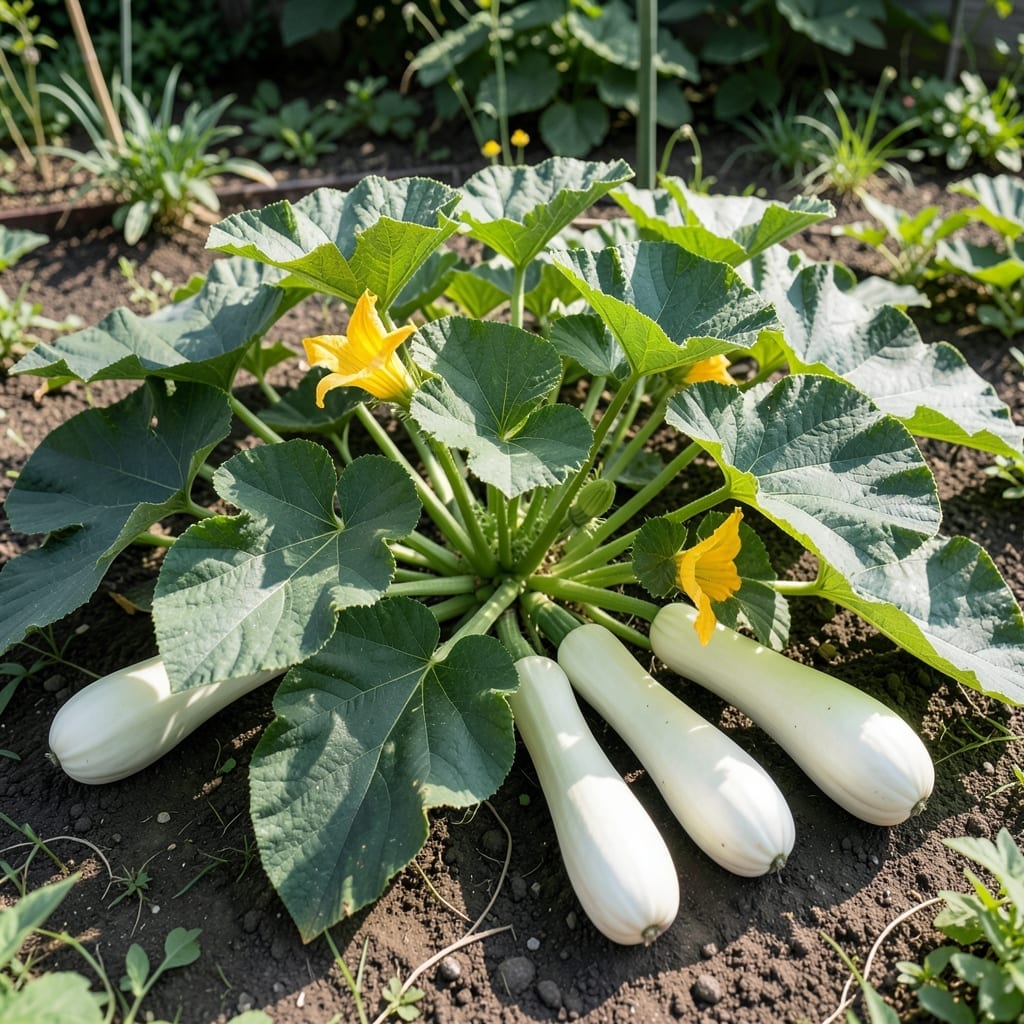
White zucchini squash was my garden’s quiet superstar last season. The pale skin hides the same tender texture and mild flavor you love, but with a look that turns heads at the farmers market.
These plants thrive in full sun with rich soil and consistent watering. The vines spread 3-4 feet, so give them room or train them up a trellis. Harvest when small for the best flavor—wait too long and you’ll get baseball bats instead of vegetables.
📚 In This Guide
Here’s the method I use every year to produce crisp, pale zucchinis that taste as good as they look.
Choose a spot with full sun exposure—at least 6-8 hours of direct light daily. White zucchini, like all squash, thrives in warm, fertile soil. Work the ground to a depth of 12-15 inches, removing rocks and breaking up clumps. This plant isn’t picky about soil type, but it demands good drainage.
Mix in 2-3 inches of compost or well-rotted manure into the top 6 inches of soil. This boosts fertility and improves moisture retention without waterlogging. Avoid fresh manure, which can burn young plants. The soil should feel loose and crumbly in your hands.
Sow seeds directly in the garden after the last frost when soil temperatures reach at least 60°F. Plant seeds 1 inch deep and 2-3 feet apart in rows spaced 4-6 feet apart. If using seedlings, dig holes slightly larger than the root ball and space them the same distance apart.
I plant in small hills of 3-4 seeds per mound, about 4 feet apart. Once seedlings emerge, thin to the strongest one or two plants per hill. This gives each plant room to spread its large leaves and improves air circulation, which prevents disease.
Keep the soil evenly moist, especially during flowering and fruiting. Water deeply at the base of the plant 1-2 times per week, providing about 1-1.5 inches of water total. The goal is consistent moisture without waterlogging—zucchini roots rot quickly in soggy soil.
Apply a 2-3 inch layer of mulch around plants after the soil warms. Straw or shredded leaves work well. Mulch retains moisture, suppresses weeds, and keeps fruit clean. You’ll notice the difference immediately—soil stays damp longer and plants grow more vigorously.
Check plants daily for squash bugs and vine borers, which love zucchini. Look for eggs on the undersides of leaves or wilting vines. Handpick pests early in the morning when they’re sluggish. For vine borers, wrap the base of stems with aluminum foil to create a barrier.
Harvest white zucchini when fruits are 6-8 inches long and 2 inches in diameter. Pick every 2-3 days to encourage more production. Use a sharp knife to cut the stem cleanly. The skin should be firm but tender enough to pierce with a fingernail.
Feed plants with a balanced fertilizer every 3-4 weeks or use a side dressing of compost. White zucchini are heavy feeders and will produce more fruit with regular nourishment. Yellowing leaves often signal a need for nitrogen.
As plants grow, direct vines to spread in the desired direction. This prevents a tangled mess and makes harvesting easier. Remove any leaves that show signs of powdery mildew immediately to prevent spread. The plants will reward your care with abundant harvests until the first frost.
Small adjustments in how you plant and care for these can make a huge difference in your harvest.
The Sun Factor: Don’t underestimate that 6-8 hours of direct sunlight requirement from Step 1. White zucchini needs full sun to develop its tender texture and pale color. If your garden has partial shade, choose the sunniest spot available. I learned this the hard way after planting in a semi-shady area and getting smaller, less flavorful squash.
Soil Preparation: In Step 1, when you amend that top 6-8 inches of soil, use well-aged compost. Fresh manure can be too strong and might burn young plants. Also, that 12-inch hole drainage test is brilliant—if water doesn’t drain within 2 hours, consider raised beds for better drainage.
Planting Depth Matters: When planting seeds 1 inch deep in Step 2, make sure the soil temperature is truly at least 60°F. Planting too early in cold soil will cause seeds to rot. If you’re starting indoors 2-3 weeks before last frost, use a heat mat to maintain consistent warmth for better germination.
Watering Wisdom: For the 1-2 inches of water per week in Step 3, morning watering is non-negotiable. I once watered in the evening and lost half my crop to powdery mildew. That 2-3 inches of straw mulch also helps prevent soil from splashing onto leaves during watering, reducing disease risk.
Yes! White zucchini has a mild, slightly sweet flavor and tender skin, making it great for raw snacks or salads. Just wash it well and slice thinly for the best texture.
This usually happens due to overripening or inconsistent watering. Harvest squash when they’re small (6-8 inches) for the best flavor and texture. Uneven moisture can also cause discoloration.
Plant in late spring when soil temperatures reach 60°F (15°C) or higher. In warmer climates, you can also plant in late summer for a fall harvest.
Ensure good air circulation by spacing plants 2-3 feet apart. Water at the base (not the leaves) and use fungicide sprays if needed. Remove infected leaves promptly to stop the spread.