
Beautiful Plants For Your Interior
Beautiful Plants For Your Interior
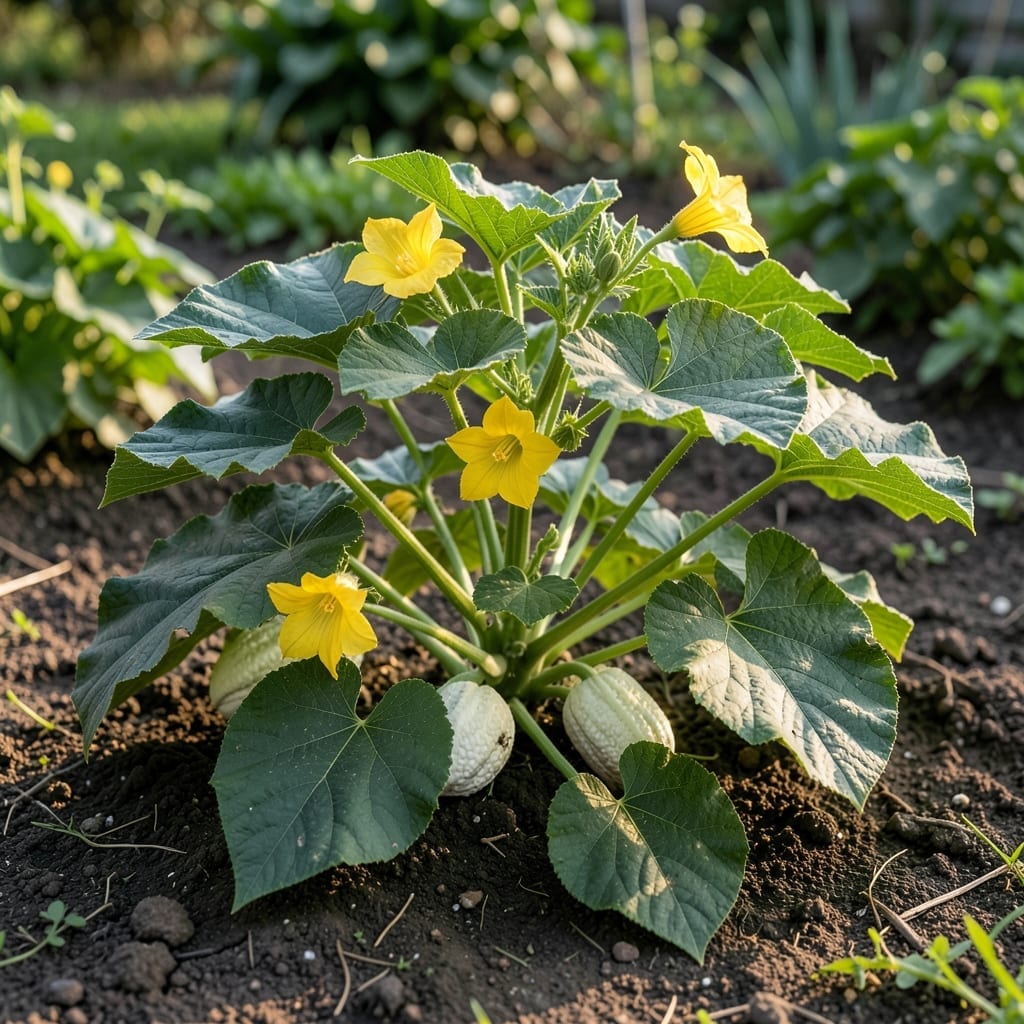
Those white bumps on your squash leaves aren’t just ugly—they’re a warning sign. I’ve seen entire crops wiped out by ignoring this early symptom, and it’s always preventable with the right approach.
The culprits are usually powdery mildew or sap-sucking pests like aphids. Both thrive in crowded plants with poor air circulation. The good news? Natural treatments work better than harsh chemicals and won’t harm your harvest.
You’ll notice the difference within 48 hours of starting treatment. Leaves clear up, new growth stays healthy, and your plants get back to producing instead of struggling. The key is catching it early.
Works for zucchini, pumpkins, and all summer squash varieties. Here’s how to fix it for good.
White bumpy squash often develops due to environmental or biological factors. Below are the most common causes, explained clearly.
Extreme heat or cold can disrupt the squash’s growth, leading to white, bumpy patches. When temperatures exceed 90°F (32°C) or drop below 50°F (10°C), the plant struggles to absorb nutrients evenly, causing irregularities in the fruit’s surface.
Uneven watering—either too much or too little—can stress the plant, resulting in white bumps. Overwatering may trigger fungal growth, while drought conditions force the squash to develop a rough, blotchy texture.
Powdery mildew or downy mildew often appears as white, powdery spots that later become bumpy. These fungi thrive in humid conditions and can spread quickly if untreated. Proper airflow and fungicide can prevent this.
Sap-sucking pests like aphids or squash bugs leave behind damage that manifests as white, raised spots. Their feeding disrupts the plant’s surface, leading to discoloration and bumps.
A lack of calcium or boron in the soil can cause deformities, including white bumps. These minerals are vital for cell wall development, and their absence leads to irregular growth patterns.
Dealing with white bumpy squash can be frustrating, but these practical solutions will help you restore your plant’s health and prevent future issues.
If the bumps are caused by powdery mildew, mix 1 tablespoon of baking soda, 1 teaspoon of dish soap, and 1 gallon of water. Spray this solution on the leaves weekly until the issue clears. Tip: Apply in the morning to avoid sunburn on leaves. 💡
For pest-related bumps, remove affected leaves and spray the plant with neem oil or insecticidal soap. Repeat every 5-7 days until pests are gone. Prevention: Inspect plants regularly and encourage beneficial insects like ladybugs. 🎯
Overwatering can lead to fungal issues. Water at the base of the plant (not the leaves) and ensure good drainage. Use a moisture meter to check soil dryness before watering. ✨ Prevention: Avoid late-afternoon watering to reduce humidity buildup.
If the bumps stem from nutrient deficiencies, apply a balanced fertilizer (e.g., 10-10-10) or compost tea. Test soil pH and adjust if needed (squash prefers 6.0–6.8). 🌡️ Prevention: Feed plants every 4-6 weeks during growing season.
Pro Tip: Rotate crops yearly to prevent soil-borne diseases and pests. 🔥
Yes, if the bumps are only on the skin and the flesh inside looks normal. Wash thoroughly first. Discard if the texture is soft or the smell is off.
Space plants 3-4 feet apart for airflow. Use drip irrigation to avoid wetting leaves. Apply neem oil preventatively every 2 weeks.
For mildew, spray the baking soda solution immediately. For pests, remove affected leaves and apply insecticidal soap the same day. Results appear in 2-3 days.