
Beautiful Plants For Your Interior
Beautiful Plants For Your Interior
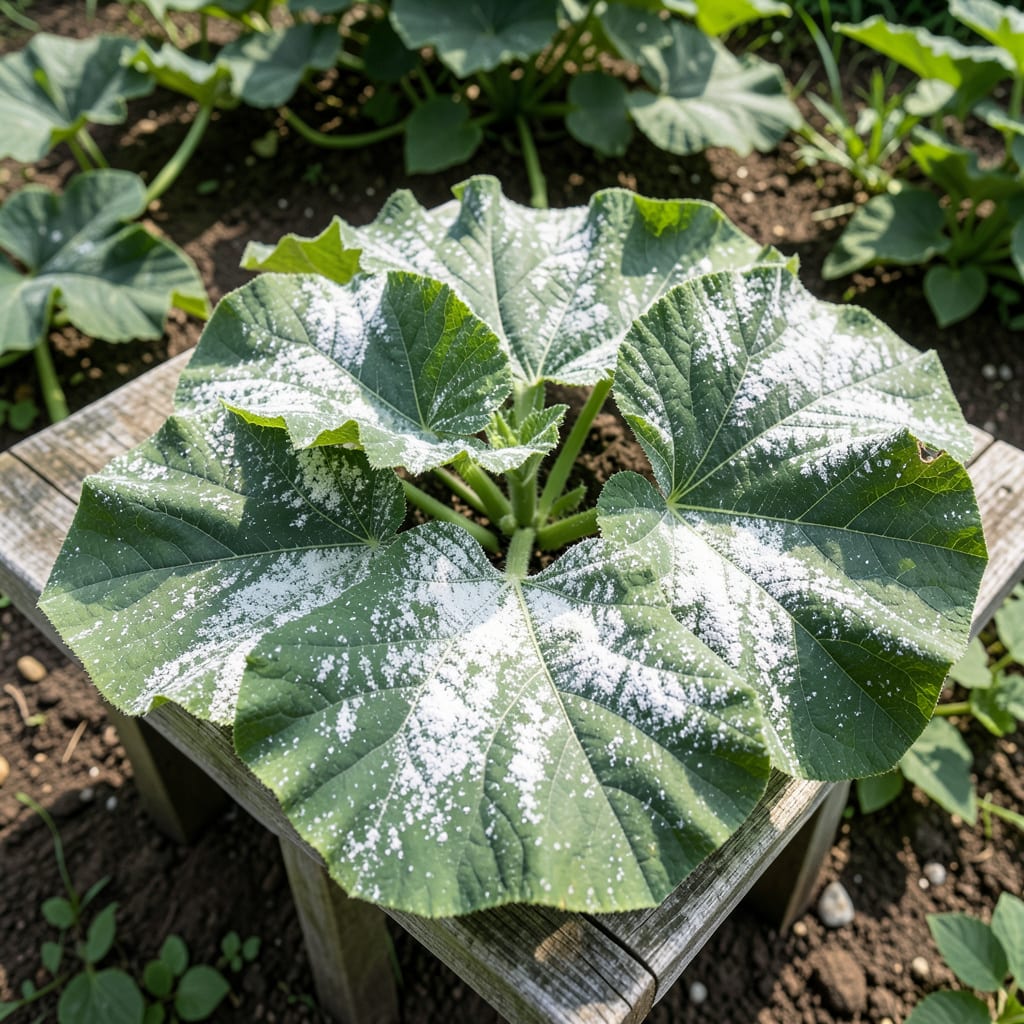
White powdery spots on squash leaves always hit hard—like nature’s way of saying you’re overdue for intervention. I’ve watched healthy vines turn ghostly overnight, and the key is acting before it spreads.
This isn’t just unsightly; it chokes your plants, stealing sun and stunting growth. The good news? It’s treatable with the right approach, and prevention is simpler than you’d think.
You can stop the spread with household items like baking soda or milk sprays, but timing matters. Catch it early, and your squash will bounce back stronger.
Works for zucchini, pumpkins, and cucumbers too. Here’s how to reclaim your garden.
White mildew on squash leaves is primarily caused by fungal pathogens, environmental conditions, and cultural practices that favor disease development. Here’s a breakdown of the most common causes:
The primary culprit is Erysiphe cichoracearum or Podosphaera xanthii, fungi that thrive in warm, dry climates with high humidity. These pathogens produce airborne spores that land on leaves, germinate, and form white, powdery colonies on the surface.
Stagnant air and humidity levels above 60% create ideal conditions for fungal growth. Crowded plantings or dense foliage restrict airflow, trapping moisture and promoting spore germination.
Watering from above leaves foliage wet for extended periods, giving fungal spores the moisture they need to infect. Drip irrigation or soaker hoses are better alternatives to keep leaves dry.
Some squash varieties, like zucchini and cucumbers, are more prone to powdery mildew. Planting resistant cultivars (e.g., Cucurbita pepo ‘Dunja’) can reduce risk.
Excess nitrogen promotes lush, tender growth that’s more vulnerable to infection. Balanced fertilization (with adequate potassium and phosphorus) strengthens plant defenses.
Tackling white mildew on your squash plants is manageable with the right approach. Below are targeted solutions for common causes, along with prevention tips to keep your garden thriving. 🌱
Fix: Prune crowded leaves to improve airflow, especially in the plant’s center. Space squash plants at least 3–4 feet apart to reduce humidity buildup. For existing mildew, remove heavily infected leaves and dispose of them in the trash (not compost).
Prevention: Plant in well-ventilated areas and avoid overhead watering to keep foliage dry.
Fix: Water at the base of the plant early in the day, allowing leaves to dry before evening. If mildew persists, switch to drip irrigation. Apply a baking soda spray (1 tsp baking soda + 1 quart water + a few drops of dish soap) weekly to inhibit fungal growth.
Prevention: Mulch around plants to reduce soil splashing and keep leaves dry. Use raised beds if drainage is poor.
Fix: Run a small fan near plants (on low) to increase airflow during humid weather. Apply neem oil or sulfur-based fungicides as a protective barrier—spray in the evening to avoid leaf burn.
Prevention: Plant squash in sunny spots and thin seedlings early to prevent overcrowding.
Fix: Remove and replace the top inch of soil around affected plants. Clear fallen leaves and plant debris regularly, as spores can overwinter in garden waste.
Prevention: Rotate crops yearly and avoid planting squash in the same spot more than once every 3 years. Solarize soil in severe cases by covering it with clear plastic for 4–6 weeks before planting.
💡 Pro Tip: Resistant varieties like ‘Powdery Mildew Resistant Butternut’ or ‘Zucchini Elite’ can save you time and effort!
Yes, powdery mildew can jump to nearby cucumbers, melons, and pumpkins. Isolate affected plants immediately and avoid touching healthy foliage after handling infected leaves.
The mildew only affects leaves, not the fruit. Just wash squash thoroughly before eating to remove any residual spores.
For baking soda or milk sprays, apply every 5-7 days or after rain. Consistency is key—stopping too soon lets the fungus return.
The fungus overwinters in plant debris and soil. Rotate crops, remove old plants in fall, and choose resistant varieties next season to break the cycle.
