
Beautiful Plants For Your Interior
Beautiful Plants For Your Interior
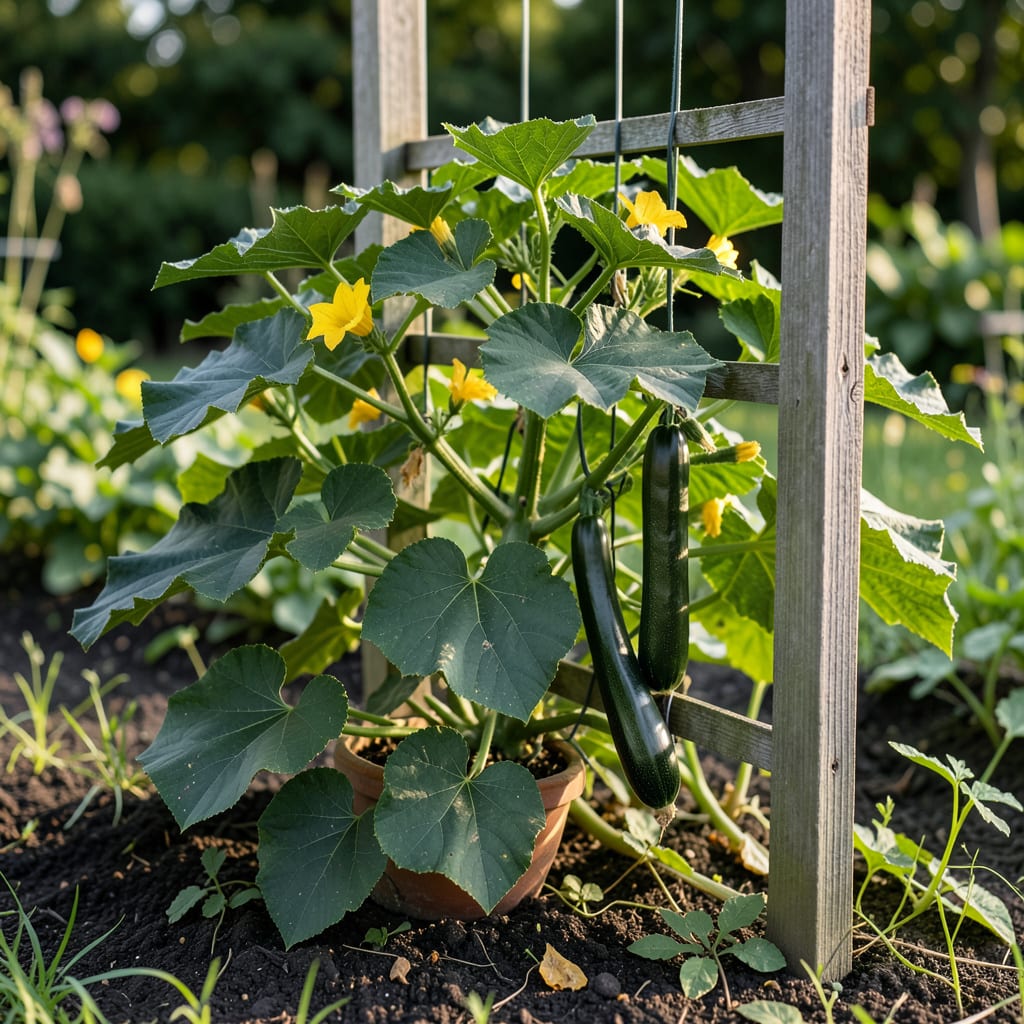
When growing 🥒 Zucchini vertically, understanding their growth potential is crucial for maximizing space. These vigorous plants can reach impressive heights with proper support.
In ideal conditions, Zucchini plants can grow up to 5 feet tall, making them perfect for trellises or vertical gardens. With the right techniques, you can train them to climb and thrive in even the most compact spaces.


Understanding the factors that influence the vertical growth of zucchini plants is crucial for maximizing their height potential. Several key elements contribute to how tall these plants can grow when supported properly.
The variety of zucchini plays a significant role in determining its vertical growth. Some zucchini varieties are naturally more compact, while others are bred for their vining habits and can grow quite tall 🌱.
The support system provided to zucchini plants is critical for their vertical growth. A sturdy trellis or cage allows the plants to climb and reach their maximum height potential. Without proper support, the plants may spread out rather than grow upwards 🌿.
Soil quality is another important factor. Zucchini plants thrive in rich, well-draining soil that is high in organic matter. Ensuring the soil is fertile and has good drainage will support healthy growth and maximize vertical development.
Sunlight is essential for the vertical growth of zucchini plants. They require full sun, meaning at least 6 hours of direct sunlight per day. Adequate sunlight helps the plants grow vigorously and reach their maximum height.
Consistent watering and balanced fertilization are also vital. Zucchini plants need consistent moisture, especially when they are producing fruit. A balanced fertilizer applied regularly will provide the necessary nutrients for optimal growth.
By focusing on these key factors, gardeners can create an optimal environment for their zucchini plants to grow vertically, making the most of their garden space.
Regular pruning and training of the vines can also encourage more vertical growth. Removing lateral branches and securing the main stem to the support structure helps direct the plant’s energy towards growing upwards 🔝.
Understanding and managing these factors will help gardeners achieve the maximum vertical growth potential of their zucchini plants, leading to a more productive and space-efficient garden 🌼.
Training zucchini plants to grow vertically requires careful planning and maintenance. By using the right techniques, you can encourage your plants to grow upwards and make the most of your garden space 🌼.
The first step in training zucchini plants is to provide a sturdy support system. This can be a trellis, cage, or other structure that allows the plants to climb. Make sure the support is at least 5 feet tall to accommodate the plant’s full growth potential 🌿.
Ensure the soil is well-draining and rich in organic matter
Gently twine the stems around the trellis or cage
Remove any weak or spindly growth to direct the plant’s energy upwards 🔝
Regular pruning and training are essential for maintaining vertical growth. Remove any weak or spindly growth, and secure the main stem to the support structure. This will help direct the plant’s energy towards growing upwards 🌟.
In addition to pruning,
By following these steps and providing the right conditions, you can train your zucchini plants to grow vertically and enjoy a bountiful harvest 🌼.
Keep in mind that regular maintenance is key to successful vertical zucchini cultivation. Monitor your plants regularly and make adjustments as needed to ensure optimal growth 🔍.
With proper care and training, zucchini plants can thrive in vertical gardens, providing a delicious and nutritious harvest for months to come 🥒.
Growing zucchini plants vertically can present several challenges that gardeners need to be aware of. One of the main issues is maintaining plant stability as the vines grow taller 🌿.
Another significant challenge is ensuring proper pollination. Zucchini plants require adequate pollination to produce fruit, and vertical growth can sometimes make it more difficult for pollinators to access the flowers 🌼.
Vertical zucchini cultivation can lead to issues like poor pollination and plant instability if not managed properly.
Disease prevention is also crucial in vertical zucchini cultivation. The dense foliage and moist environment can create ideal conditions for diseases to develop. Regular monitoring and good air circulation are essential 🔍.
To address these challenges, gardeners can implement several strategies. Using sturdy support systems can help maintain plant stability, while hand-pollination can ensure adequate pollination 🌸.
Additionally, maintaining good air circulation around the plants can help prevent diseases. This can be achieved by spacing plants appropriately and removing any dense foliage 🌿.
By understanding these common challenges and implementing appropriate solutions, gardeners can successfully grow zucchini plants vertically and enjoy a bountiful harvest 🌼.
Regular maintenance and monitoring are key to overcoming the challenges associated with vertical zucchini cultivation. With the right techniques and care, you can maximize your yield and enjoy healthy, productive plants 🔝.
Zucchini plants can grow up to 5 feet tall when provided with proper support and growing conditions. The vining varieties tend to grow taller than compact or bush types. With a sturdy trellis or cage, you can encourage your zucchini plants to reach their full height potential.
Zucchini plants require consistent moisture, especially when they’re producing fruit. Water them every 2-3 days, making sure the soil is moist but not waterlogged. Adjust the frequency based on weather conditions to prevent drought stress.
Yes, regular pruning and training are essential for maintaining vertical growth. Remove any weak or spindly growth, and secure the main stem to the support structure. This helps direct the plant’s energy towards growing upwards and promotes a healthier, more productive plant.
Zucchini plants require adequate pollination to produce fruit. To ensure proper pollination, you can use hand-pollination techniques or plant flowers that attract pollinators nearby. Regularly inspect your plants and gently vibrate the support structure to help distribute pollen.
