
Beautiful Plants For Your Interior
Beautiful Plants For Your Interior
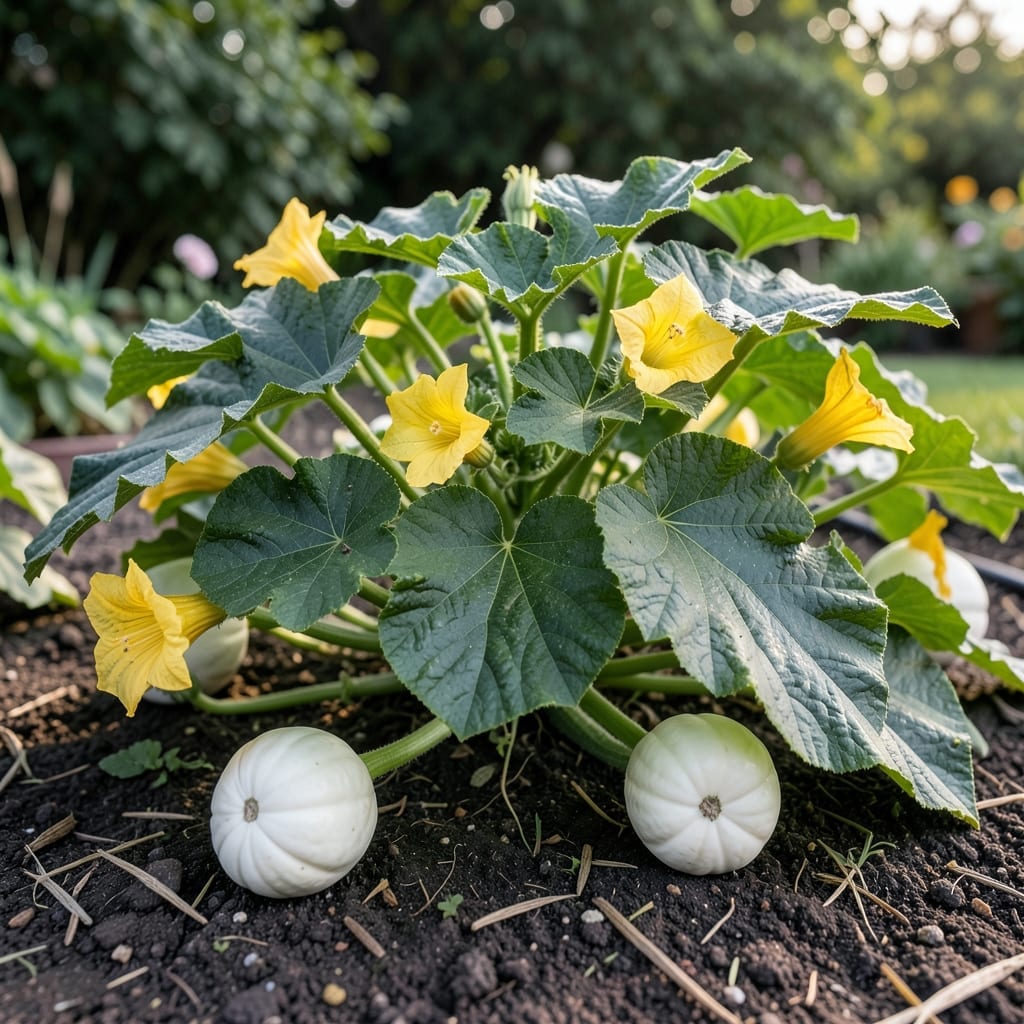
This squash looks like it came from another planet, but it grows just like magic in your garden. White UFO squash produces flat, disc-shaped fruits that taste as good as they look, and they thrive with the right care.
I started growing these after seeing one at a market—now they’re my summer staple. They need full sun, rich soil, and consistent watering to reach their 12-inch potential. The plants spread wide, so give them room.
The fruits start green and turn pure white as they mature. You’ll know they’re ready when the skin hardens and the stem dries. Harvest with 2 inches of stem attached for best storage.
Perfect for gardeners who want something unique. These plants produce abundantly and handle heat better than most squash varieties.
The white discoloration on UFO squash (a flat, disc-shaped summer squash variety) typically stems from environmental, biological, or cultural stressors. Below are the most common causes, explained with actionable insights.
Squash plants thrive in warm, stable conditions (70–90°F). Heat stress (above 95°F) or cold shocks (below 50°F) can disrupt chlorophyll production, leading to pale or white patches on leaves or fruit. Young plants are especially vulnerable. Action: Use row covers for cold snaps and provide afternoon shade in extreme heat.
Overwatering or poor drainage can cause root rot, which restricts nutrient uptake (like magnesium or iron) essential for green pigmentation. Conversely, underwatering stresses the plant, triggering chlorosis (yellowing/whitening). Action: Water at the base (1–1.5 inches/week), ensuring soil is moist but not soggy. Mulch to retain moisture.
Sap-sucking pests like aphids, whiteflies, or spider mites drain plant fluids, causing stunted growth and white speckling. Their honeydew residue also promotes sooty mold, a black fungus that can mask underlying white discoloration. Action: Spray with neem oil or insecticidal soap; introduce beneficial insects like ladybugs.
White or yellow patches often signal magnesium (interveinal chlorosis) or iron (new leaves turn white) deficiencies. Sandy or highly alkaline soils (pH > 7.5) lock out these nutrients. Action: Test soil pH (aim for 6.0–6.8) and amend with compost or Epsom salt (for magnesium) or chelated iron.
Powdery mildew (white, powdery spots) and downy mildew (pale yellow patches) thrive in humid, crowded conditions. These fungi block sunlight absorption, weakening the plant. Action: Improve airflow, avoid overhead watering, and apply copper-based fungicides preventatively.
When your white UFO squash plants show signs of trouble, quick action can save your harvest. Below are targeted fixes for the most common issues, along with prevention tips to keep your garden thriving.
Cause: Nutrient deficiency (often nitrogen) or overwatering.
Fix: Test soil with a kit and amend with a balanced fertilizer (10-10-10). If overwatering is the issue, let the soil dry slightly between waterings. Remove severely damaged leaves to redirect energy.
💡 Prevention: Use compost at planting and mulch to retain moisture without waterlogging.
Cause: Squash bugs, cucumber beetles, or aphids.
Fix: Handpick pests in the morning and drop them in soapy water. Apply neem oil or insecticidal soap at dusk for severe cases. Row covers can protect young plants.
💡 Prevention: Rotate crops yearly and remove plant debris after harvest to disrupt pest life cycles.
Cause: Fungal spores thriving in humid conditions.
Fix: Spray affected leaves with a mix of 1 tablespoon baking soda, 1 quart water, and a few drops of dish soap. Prune crowded foliage to improve airflow.
💡 Prevention: Space plants 3–4 feet apart and water at the base to keep leaves dry.
Cause: Calcium deficiency or inconsistent watering.
Fix: Add crushed eggshells or a calcium supplement to the soil. Ensure steady moisture—drip irrigation works best. Remove affected fruits to focus the plant’s energy.
💡 Prevention: Maintain even soil moisture and test soil pH (aim for 6.0–6.5) before planting.
With these steps, your white UFO squash will bounce back—just stay vigilant and act at the first sign of trouble!
Each plant needs 3-4 feet of space in all directions. They spread wide with large leaves, so give them room to grow without crowding.
Pick when fruits are 6-12 inches wide and the skin turns pure white. The stem should be dry and the skin firm when pressed.
Yes, but use a very large container (minimum 5 gallons) with drainage. Dwarf varieties work best for container gardening.
This usually indicates over-ripeness or poor pollination. Harvest earlier next time and check for bee activity in your garden.