
Beautiful Plants For Your Interior
Beautiful Plants For Your Interior
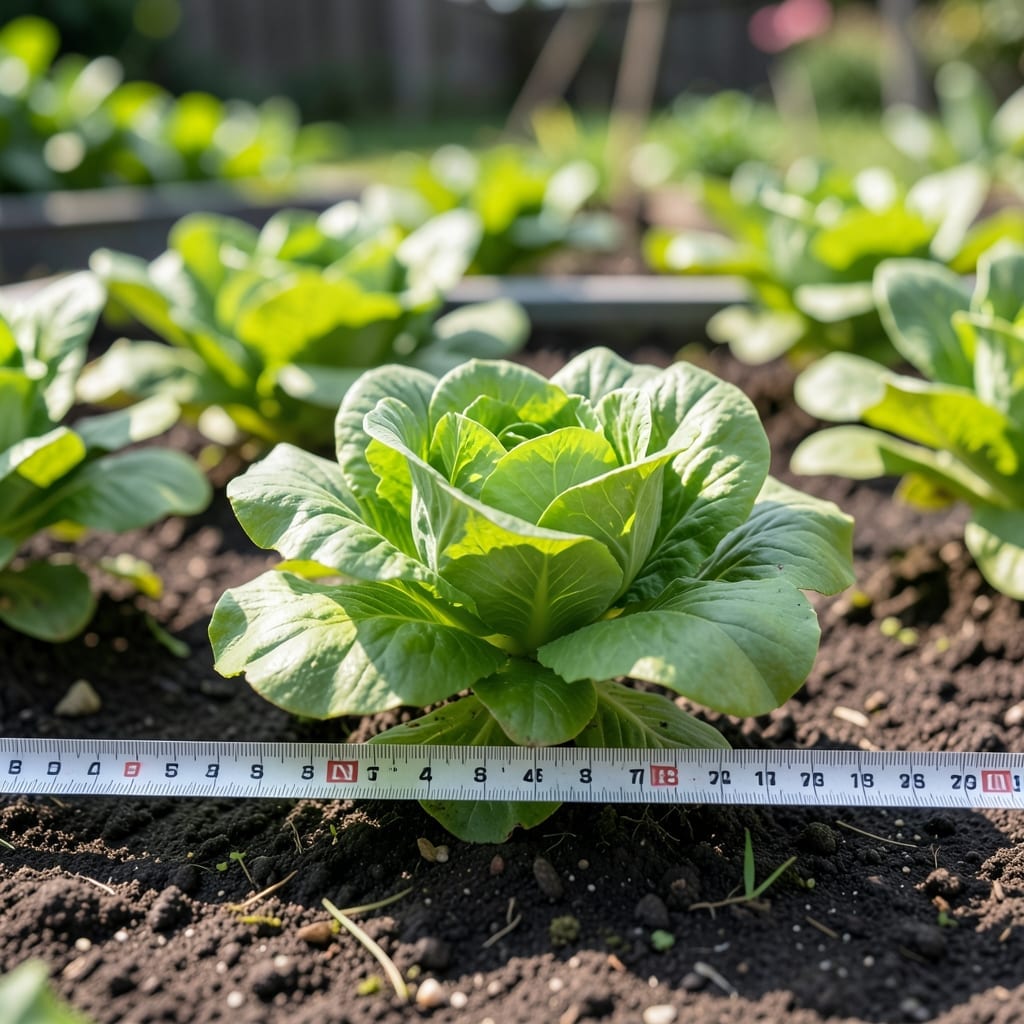
Proper spacing is the secret to growing healthy lettuce. Crowd your 🥬 plants, and you risk stunted growth, disease, and poor yields.
Get the spacing right, and you’ll enjoy crisp, full heads all season long. It’s not just about the space between plants, but also the rows.
I’ll walk you through the ideal spacing for different lettuce types and growth stages. Whether you’re planting in rows or containers, these guidelines will help.
Discover how to avoid common spacing mistakes and maximize your harvest. Let’s dive into the details that make all the difference.


Getting lettuce spacing right is key to healthy growth and bountiful harvests. Different varieties have unique needs, and crowding can lead to disease or stunted plants. I’ve found that even small adjustments make a big difference in yield and quality.
For leaf lettuce, I recommend 6-8 inches between plants, while head lettuce needs 10-12 inches to form tight, crisp heads. Romaine and butterhead fall somewhere in between, thriving with 8-10 inches of space. Row spacing should always be 12-18 inches to allow for easy access and air circulation.
| Variety | Plant Spacing | Row Spacing |
|---|---|---|
| Leaf Lettuce | 6-8 inches | 12-18 inches |
| Head Lettuce | 10-12 inches | 12-18 inches |
| Romaine | 8-10 inches | 12-18 inches |
| Butterhead | 8-10 inches | 12-18 inches |
When sowing seeds, I plant them 1 inch apart and thin to the final spacing once seedlings are 2-3 inches tall. This prevents overcrowding early on and gives weaker plants a chance to be removed before they compete for nutrients.
Thinning seedlings is critical—I know it’s tough to pull young plants, but it ensures the strongest ones have room to mature. Use scissors to snip unwanted seedlings at soil level rather than pulling, which can disturb the roots of remaining plants.
For raised beds, I stick to the same spacing but often use a grid pattern for efficiency. This maximizes space while maintaining good air circulation, which is especially important in humid climates to prevent fungal diseases.
If you’re growing in containers, ensure each plant has at least 1 square foot of space. Shallow-rooted varieties like leaf lettuce do well in 6-8 inch deep pots, but deeper containers are better for head lettuce.
I’ve noticed that succession planting every 2-3 weeks helps maintain a steady supply without overcrowding. Just be sure to leave enough space between new plantings to avoid shading out younger plants.
Finally, remember that overcrowding isn’t the only issue—under-spacing can waste valuable garden real estate. Finding the sweet spot ensures healthy plants and maximum yield in any garden size.
Proper spacing also improves water distribution and nutrient uptake, so your lettuce grows uniformly and stays vibrant throughout the season. ☀️
I’ve seen many gardeners struggle with overcrowded lettuce that never reaches its potential. Stunted growth and disease spread are common when plants compete for light and nutrients.
Another mistake is under-spacing, which wastes valuable garden real estate. Proper alignment of rows also matters for efficient watering and weeding.
⚠️ Avoid These Mistakes
Planting too closely causes poor air circulation and fungal diseases. In raised beds or square foot gardens, stick to recommended spacing for healthy growth.
For leaf lettuce, I recommend 6-inch spacing between plants. This allows enough room for full leaf expansion without wasting space.
Head lettuce varieties like iceberg or romaine need more room—12 inches apart is ideal. This ensures proper head formation and reduces disease risk.
In raised beds, you can tighten spacing slightly, but never sacrifice airflow. I’ve found that staggered planting helps maximize space while maintaining health.
Remember, thinning seedlings is crucial. Start with 1-inch spacing and thin to final distances as plants mature. This prevents overcrowding early on.
With these tips, you’ll avoid common pitfalls and grow thriving lettuce every time 🌱