
Beautiful Plants For Your Interior
Beautiful Plants For Your Interior
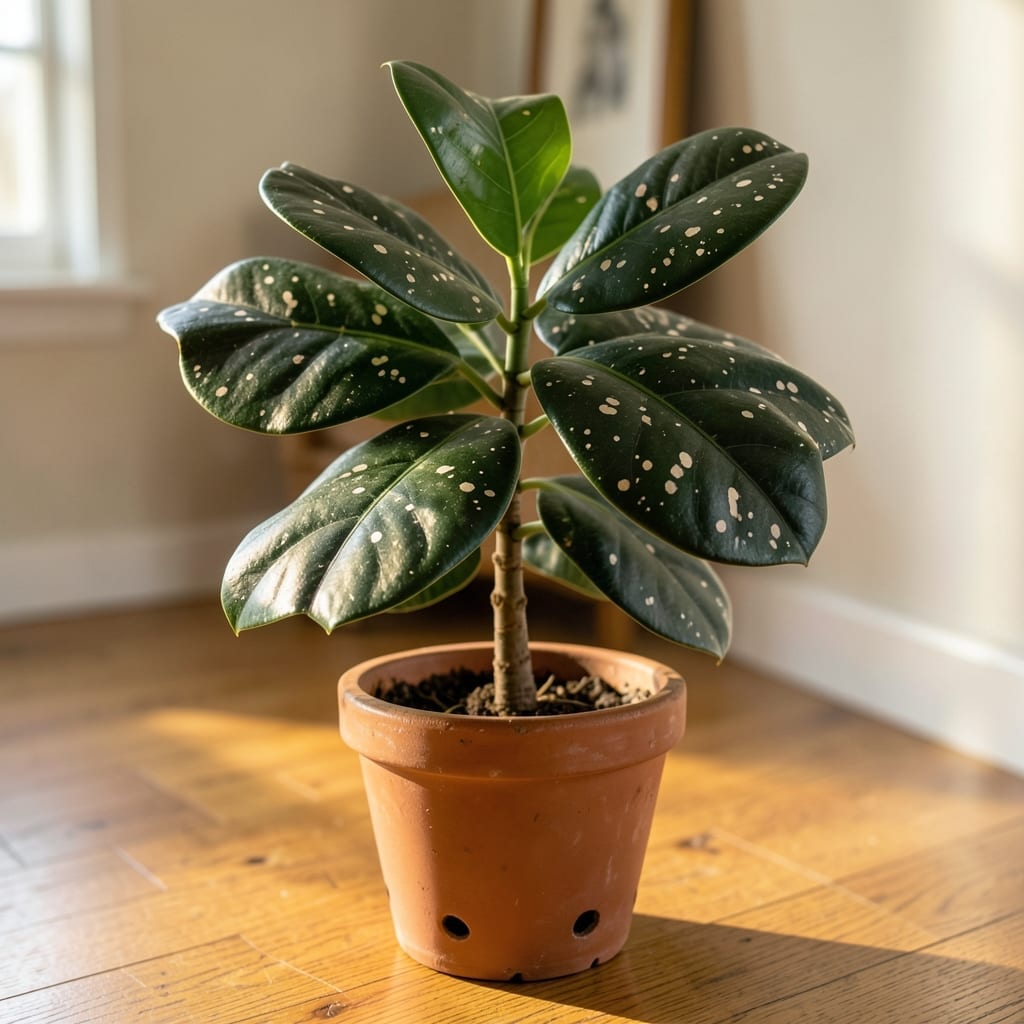
Those white spots on your rubber plant aren’t just unsightly—they’re a red flag. I’ve dealt with this exact issue, and the fix is simpler than you’d think. Most cases come down to pests or fungal issues that spread fast if ignored.
Mealybugs love rubber plants, leaving cottony white patches. Powdery mildew creates a dusty coating. Both thrive in damp, still air. The good news? You can tackle either with household supplies and a little persistence.
Within a week of treatment, new growth emerges clean. Your plant bounces back with that glossy, deep-green look it had before. No fancy equipment needed—just consistency.
Works for any rubber plant variety, whether it’s a small tabletop specimen or a towering floor plant. Let’s clear those spots for good.
White spots on rubber plants can be alarming, but they’re usually a sign of an underlying issue that can be fixed. Here’s why they appear and what’s happening beneath the surface.
Powdery mildew and leaf spot diseases are common culprits. These pathogens thrive in high humidity or poor air circulation, forming white, powdery, or crusty spots. Fungi like Oidium spores germinate on wet leaves, while bacteria (e.g., Pseudomonas) create water-soaked lesions that turn white as they dry. Overwatering or splashing water on leaves accelerates this.
Tiny pests like mealybugs, scale insects, or spider mites leave white residue. Mealybugs excrete a cottony wax, while scale insects form hard, white shells. Spider mites cause stippling (tiny dots) that can appear white as plant cells die. Inspect leaf undersides and stems for clusters or webbing.
Hard tap water contains calcium and magnesium. When water evaporates, these minerals accumulate as chalky white spots, especially on older leaves. This is purely cosmetic but can block stomata (pores) over time, reducing photosynthesis.
Sudden temperature drops or drafts can cause localized cell damage, leading to white or yellowish patches. Similarly, excessive direct sunlight may bleach leaf sections, creating white splotches as chlorophyll breaks down.
Pro tip: 💡 Check for multiple causes—e.g., pests + high humidity can create a perfect storm for infections.
Tackling white spots on your rubber plant starts with identifying the cause. Here’s how to address each issue and keep your plant thriving:
Mix 1 teaspoon of baking soda and 1 quart of water, then add a few drops of dish soap. Spray the solution onto the affected leaves, ensuring full coverage. Repeat weekly until the spots disappear. Prevention tip: Improve air circulation around the plant and avoid overhead watering. 💡 Pro tip: Neem oil is a natural fungicide—dilute it with water and spray every 2 weeks.
For mealybugs or spider mites, wipe the leaves with a cotton ball dipped in rubbing alcohol (70%). For severe infestations, use insecticidal soap or neem oil. Prevention tip: Regularly inspect the undersides of leaves and isolate new plants for a few weeks to prevent contamination.
If the spots are due to excessive sunlight, move your rubber plant to a spot with bright, indirect light. For overwatering, let the top 1-2 inches of soil dry out before watering again. Ensure the pot has drainage holes. Prevention tip: Use a moisture meter to monitor soil conditions. 💡 Pro tip: Water in the morning to allow excess moisture to evaporate during the day.
Gently wipe the leaves with a damp cloth and mild soap to remove deposits. Use filtered or distilled water for watering to prevent future buildup. Prevention tip: Occasionally flush the soil with distilled water to remove accumulated minerals.
With these targeted solutions, your rubber plant will regain its lush, spot-free appearance in no time! 🌿
Yes, if caused by pests or fungi. Isolate the affected plant immediately and treat it before checking neighbors. Mealybugs and powdery mildew move quickly in close quarters.
Check leaves weekly, especially undersides where pests hide. Early detection prevents outbreaks. Use a magnifying glass for tiny bugs or eggs.
No. Harsh chemicals damage leaves and may harm the plant. Stick to mild soap, neem oil, or rubbing alcohol for pest control. Always rinse after treatment.
New growth will be spot-free, but existing damage stays. Focus on prevention to keep future leaves healthy and vibrant.