
Beautiful Plants For Your Interior
Beautiful Plants For Your Interior
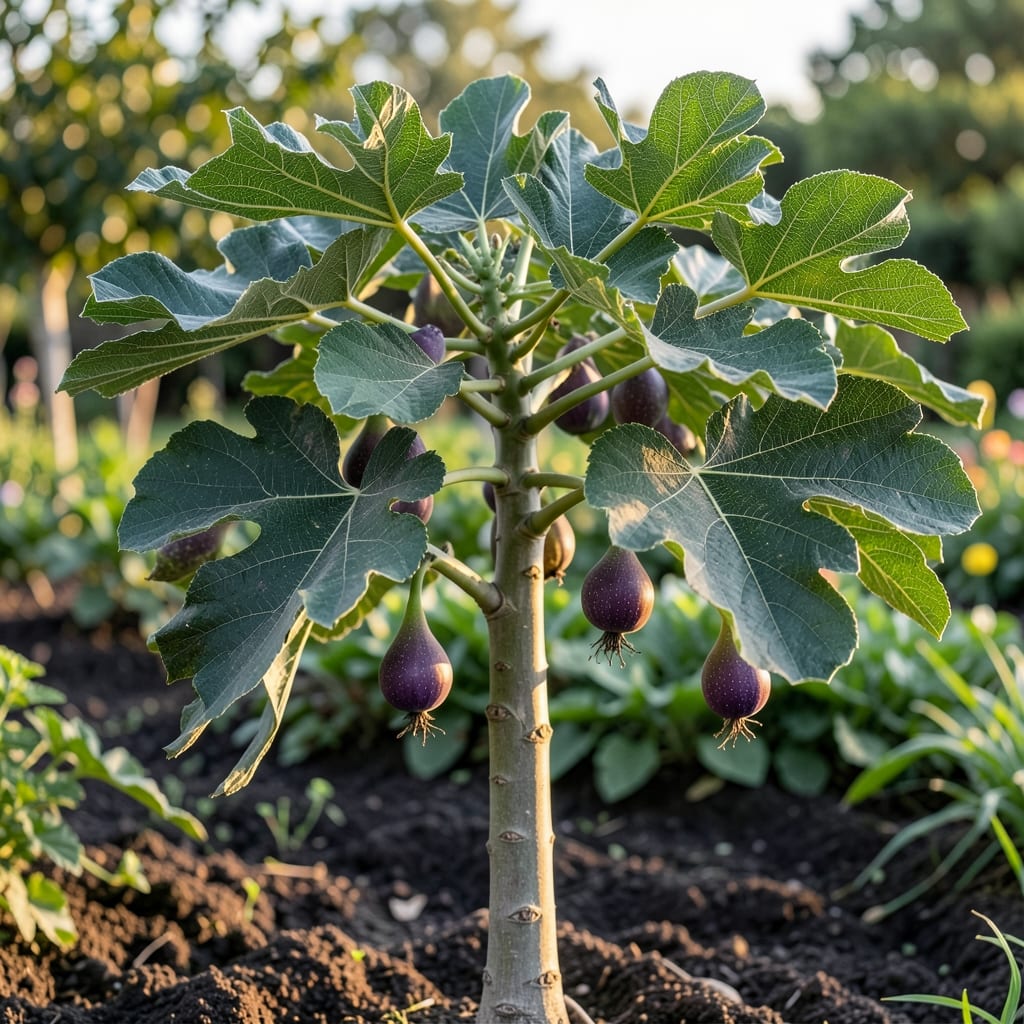
White spots on figs are usually harmless, often caused by sap secretion, powdery mildew, or natural variegation. Only worry if accompanied by wilting, rot, or pest damage.
I’ve noticed these spots often appear during humid weather, when powdery mildew thrives on the fruit’s surface. The good news is most cases don’t affect taste or safety, though severe infections can reduce quality. For prevention, improving air circulation around the tree and avoiding overhead watering makes a big difference. ✨
💡 In This Article
Those white dots often form when figs exude sap through their skin, especially during rapid growth. This natural process creates sticky, translucent droplets that dry into white residue. The spots appear raised and glossy when fresh, turning chalky as they harden.
This typically happens in hot, dry conditions when the tree pushes extra nutrients to developing fruit. 🔥
Another culprit is powdery mildew, which shows as fine, white fungal threads. Unlike sap spots, these look like someone dusted the fruit with flour. The fungus thrives in 60-80°F temperatures with high humidity. You’ll often see it first on leaves before it spreads to the figs.
Left unchecked, it can cause fruit to split or rot prematurely.
Natural variegation is the third common cause, particularly in certain fig varieties. These spots are actually part of the fruit’s skin pattern, appearing as irregular white patches. They’re flat and integrated into the skin, not raised or textured. This is purely genetic and affects about 10-15% of some heirloom fig types. ✨
Insect activity can also create white markings. Mealybugs leave cottony white clusters in leaf axils and fruit stems. Scale insects produce white, waxy secretions. Both are usually accompanied by visible pests or sticky honeydew on the fruit’s surface. The spots from insects often appear in clusters rather than evenly distributed.
What distinguishes harmless spots from problematic ones? Location matters – sap spots concentrate near the fruit’s eye, while mildew spreads across the surface. Texture tells the story: fungal spots rub off easily, while sap residue feels slightly sticky even when dry. Natural variegation remains consistent across multiple fruits on the same tree.
Yes, in most cases they’re perfectly safe. Sap spots and natural variegation don’t affect edibility. Only discard figs if spots are accompanied by rot, mold, or pest damage.
Look for a fine, flour-like coating that rubs off easily. This fungal growth often starts on leaves and spreads to fruit in humid conditions. It thrives best at 60-80°F.
Late winter pruning minimizes stress and excessive sap production. Make cuts at a 45-degree angle with clean tools. This also improves air circulation to prevent fungal growth.
Introduce beneficial insects like ladybugs. Use a strong water spray for mealybugs or apply horticultural oil in dormant season for scale. Always check leaf undersides for hidden pests.