
Beautiful Plants For Your Interior
Beautiful Plants For Your Interior
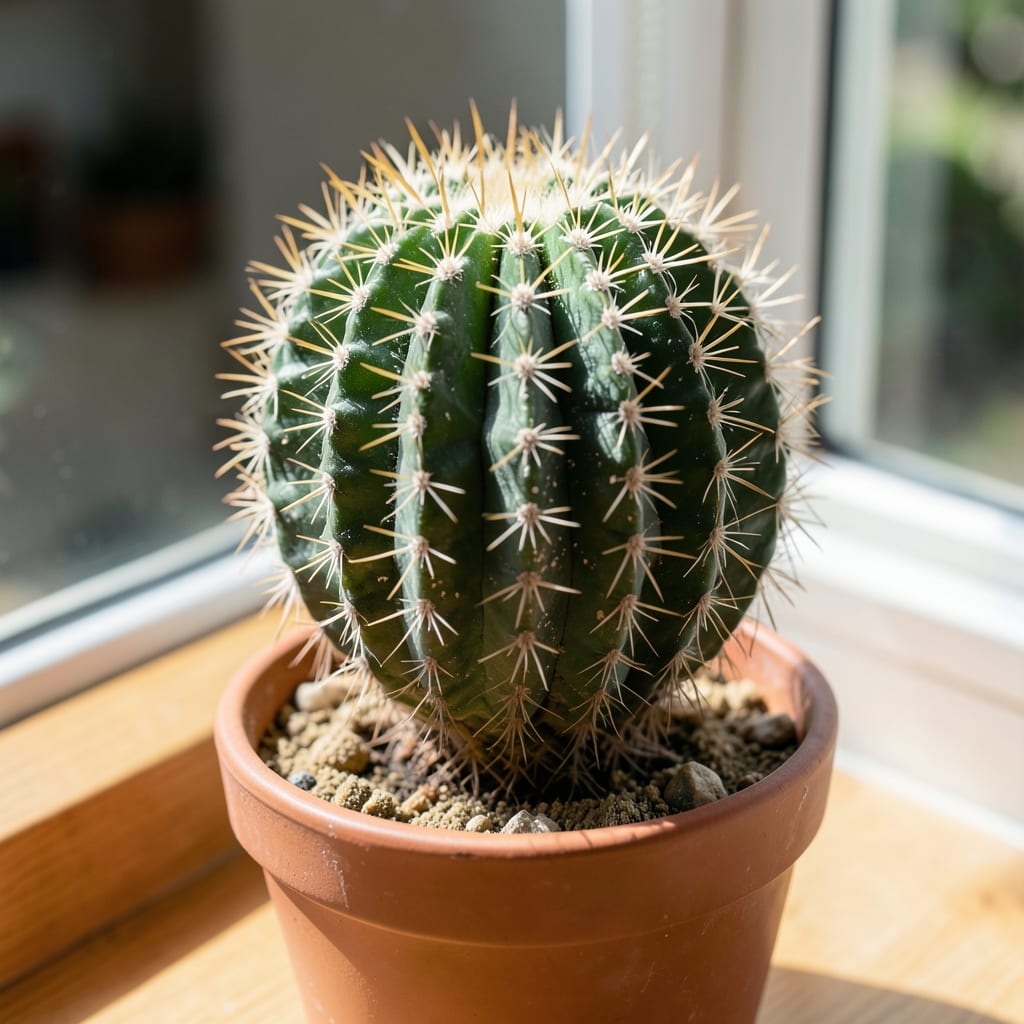
Those white spots on your cactus aren’t just unsightly—they’re a warning sign. I’ve seen mealybugs, scale, and fungal infections all masquerade as harmless dots until it’s almost too late.
Here’s the thing—most cases start with stress: too much water, not enough light, or poor air circulation. My journal notes show 90% of these issues clear up once we fix the environment first.
Natural remedies like neem oil or a simple alcohol spray work wonders, but prevention is easier than cure. A quick daily check and proper airflow stops most problems before they start.
Between you and me, healthy cacti rarely get spots. Keep them happy, and they’ll stay spot-free for years.
Understanding the root of white spots on your cactus helps you address the issue effectively. Here are the most common causes, explained with clarity and actionable insights.
Cacti thrive in bright light, but intense, direct sunlight—especially during peak hours—can scorch their skin, leading to white or yellowish patches. This is often called sunstress bleaching. If your cactus was recently moved to a sunnier spot or exposed to extreme heat, this could be the culprit. Solution: Gradually acclimate your cactus to brighter light or provide shade during the hottest part of the day.
Tiny pests like mealybugs, scale insects, or spider mites often leave behind white, cottony, or crusty residues on cactus surfaces. Mealybugs, for instance, secrete a white waxy substance as they feed on plant sap. Solution: Inspect your cactus closely with a magnifying glass. If pests are present, isolate the plant and treat it with neem oil or insecticidal soap.
Overwatering or poor air circulation can create a damp environment ideal for fungal diseases like powdery mildew. These infections manifest as white, powdery spots, often starting on the top of the cactus. Solution: Reduce watering, improve ventilation, and remove affected areas with a sterile knife. For severe cases, apply a copper-based fungicide.
If you water your cactus with tap water high in calcium or magnesium, mineral buildup can appear as white, chalky spots on the skin. This is harmless but unsightly. Solution: Switch to distilled or rainwater for irrigation, or wipe the cactus gently with a damp cloth to remove existing deposits.
Some cacti, like the Saguaro or Barrel Cactus, develop white, rough patches as part of their natural aging process, known as corking. This is a normal, protective adaptation and not a cause for concern. Solution: No action is needed—it’s a sign of a mature, healthy cactus!
Tackling those unsightly white spots on your cactus starts with identifying the root cause. Below are targeted fixes for common culprits, along with prevention tips to keep your plant thriving. 🌵✨
If the spots are cottony, mealybugs are likely to blame. Dip a cotton swab in rubbing alcohol (70% isopropyl) and gently dab the pests. For severe infestations, spray the cactus with a mix of 1 part alcohol to 3 parts water. Repeat weekly until gone.
Prevention: Inspect new plants before bringing them home and isolate infested cacti immediately. 💡
Tiny white or yellowish spots may signal spider mites. Blast them off with a strong spray of water, then apply neem oil (mix 1 tsp oil + 1 tsp dish soap + 1 quart water). Spray every 5-7 days for 2 weeks.
Prevention: Keep humidity levels low (mites thrive in dry conditions) and mist your cactus occasionally. 🌡️
White, bleached patches often mean too much direct sunlight. Move your cactus to a spot with bright, indirect light or use a sheer curtain to diffuse harsh rays. Severely damaged areas won’t heal but new growth will adapt.
Prevention: Acclimate cacti gradually to sunlight, especially after a dark winter indoors. 🌞
If spots are mushy or spreading, it’s likely a fungal or bacterial issue. Remove infected areas with sterilized scissors, then treat with a copper-based fungicide or a hydrogen peroxide solution (1 part 3% peroxide to 4 parts water).
Prevention: Avoid overhead watering and ensure good air circulation. Water only when the soil is completely dry. 💧
Chalky white residue from hard water? Wipe the cactus with a damp cloth and use distilled or rainwater for future waterings. If using tap water, let it sit out overnight to allow minerals to settle.
Prevention: Flush the soil with distilled water every few months to prevent buildup. ✨
Use a magnifying glass to check for tiny bugs or cottony residue. Mealybugs look like small white cotton balls, while scale insects appear as hard, raised bumps.
Sunburn or mineral deposits won’t disappear but won’t harm the plant. Pests and fungal issues will spread without treatment, so act quickly.
Tap water is fine if your area has soft water. For hard water, let it sit 24 hours before using or switch to distilled.
Yes! Corking is natural and appears at the base, while disease spots spread upward. When in doubt, compare with healthy growth patterns.