
Beautiful Plants For Your Interior
Beautiful Plants For Your Interior
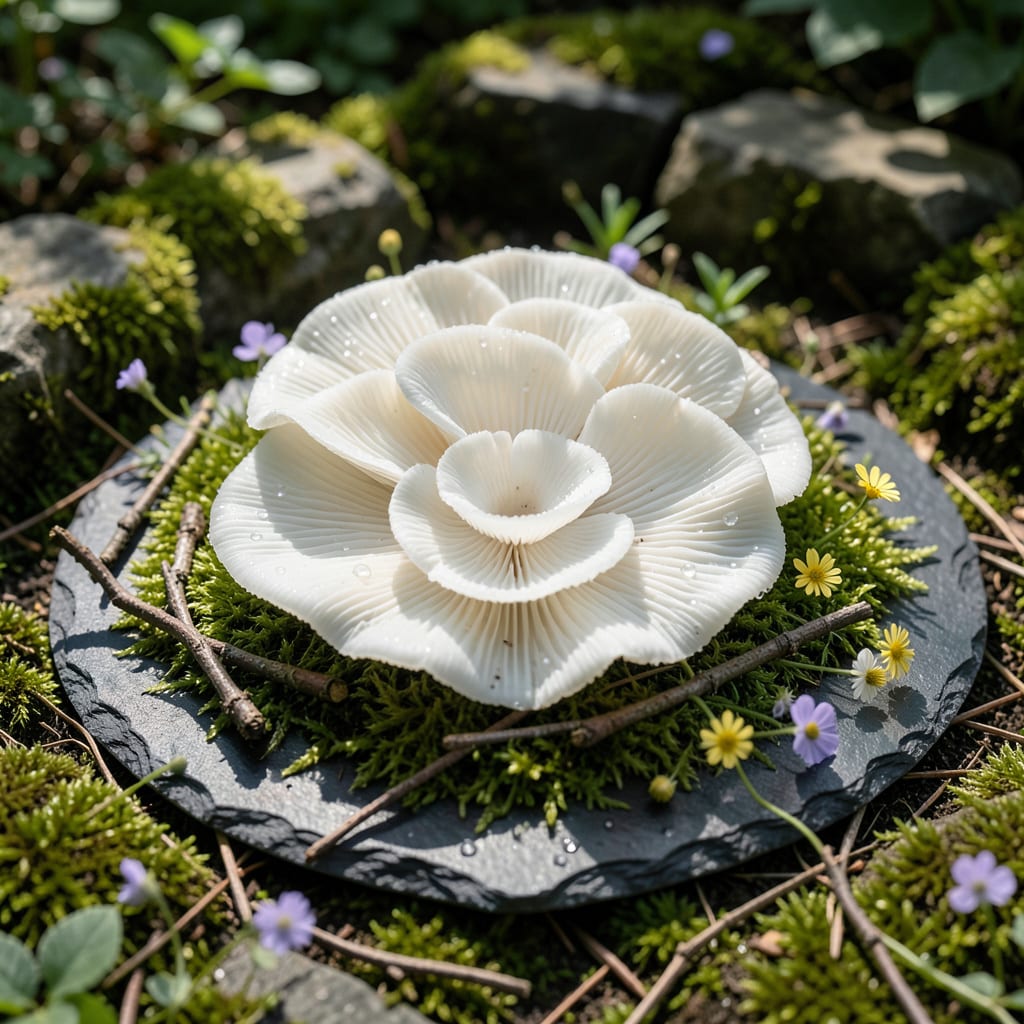
That white, crusty growth on your soil isn’t just ugly—it’s stealing nutrients from your plants. I’ve dealt with this fungus in my own beds, and ignoring it only makes things worse.
It thrives in damp, shaded spots with poor air circulation. Most gardeners mistake it for mold or mildew, but this is different. The good news? You can remove it safely without harsh chemicals that harm your soil.
With the right approach, you’ll see it disappear in 1-2 weeks. Your plants will bounce back stronger, and you’ll prevent it from returning next season.
Works for flower beds, vegetable patches, and container gardens. Here’s exactly how to tackle it.
Hard white fungus in your garden often appears due to a mix of environmental and biological factors. Below are the most common causes, explained clearly so you can tackle the root of the problem.
Fungi thrive in damp conditions. Overwatering, heavy clay soil, or inadequate drainage creates the perfect breeding ground for white, hard fungi like Sclerotinia or Armillaria. These fungi decompose organic matter, and soggy soil slows decomposition, allowing them to spread. Fix it: Improve drainage with compost or sand, and avoid overwatering.
Piles of fallen leaves, wood chips, or dead plant matter provide food for fungi. Hard white fungi, such as Ganoderma, often grow on decaying wood or thick mulch layers. Fix it: Regularly clear debris and avoid thick mulch near plant stems.
Warm temperatures (70–85°F) combined with high humidity accelerate fungal growth. These conditions are ideal for spores to germinate and colonize soil or plant material. Fix it: Space plants for airflow, water in the morning, and use drip irrigation to reduce humidity.
Fungal spores can linger in soil or on gardening tools, spreading to new areas. Hard white fungi like Sclerotium rolfsii can survive in soil for years. Fix it: Sterilize tools with rubbing alcohol and rotate crops to disrupt fungal life cycles.
Plants weakened by drought, poor nutrition, or root damage are more susceptible to fungal infections. Hard white fungi often attack compromised roots or stems. Fix it: Keep plants healthy with proper fertilization, watering, and pest control.
Tackling hard white fungus in your garden starts with identifying the root cause and applying targeted solutions. Here’s how to address common triggers effectively:
If excess moisture is the culprit, adjust your watering schedule to let the soil dry slightly between sessions. Add organic matter like compost to improve drainage, or create raised beds if your soil stays soggy. For potted plants, ensure containers have drainage holes.
Hard white fungus thrives on rotting wood, leaves, or mulch. Clear away any decaying plant debris, old stumps, or thick mulch layers. Replace contaminated mulch with fresh, dry material, and avoid piling it directly against plant stems.
Prevention tip: 💡 Use cedar or pine bark mulch, as they resist fungal growth better than hardwood options.
Fungus loves shady, humid spots. Prune dense foliage to allow more sunlight and air circulation. Space plants further apart to reduce moisture buildup. For greenhouses or enclosed areas, use a fan to keep air moving.
For persistent fungal issues in the soil, try solarization: Cover the affected area with clear plastic for 4–6 weeks in hot sunlight to kill spores. Alternatively, apply neem oil or baking soda spray (1 tbsp baking soda + 1 gallon water + a drop of dish soap) to the soil surface.
Prevention tip: ✨ Rotate crops annually to avoid fungal buildup in the same spot.
Fungus can spread via dirty tools. Scrub pruners, shovels, and pots with a mix of 1 part bleach to 9 parts water, or use rubbing alcohol. Dry thoroughly before reuse to prevent reinfection.
Yes, it can damage roots and steal nutrients from the soil. Left untreated, it may spread to healthy plants and weaken their growth.
Improve drainage, remove organic debris, and avoid overwatering. Use cedar mulch and rotate crops yearly to disrupt fungal growth.
Vinegar can help but may harm plants if overused. A better option is a baking soda spray (1 tbsp per gallon of water) for safe, natural treatment.
Solarization is effective for most soil-borne fungi. Cover the area with clear plastic for 4-6 weeks in hot sun to eliminate spores.
