
Beautiful Plants For Your Interior
Beautiful Plants For Your Interior
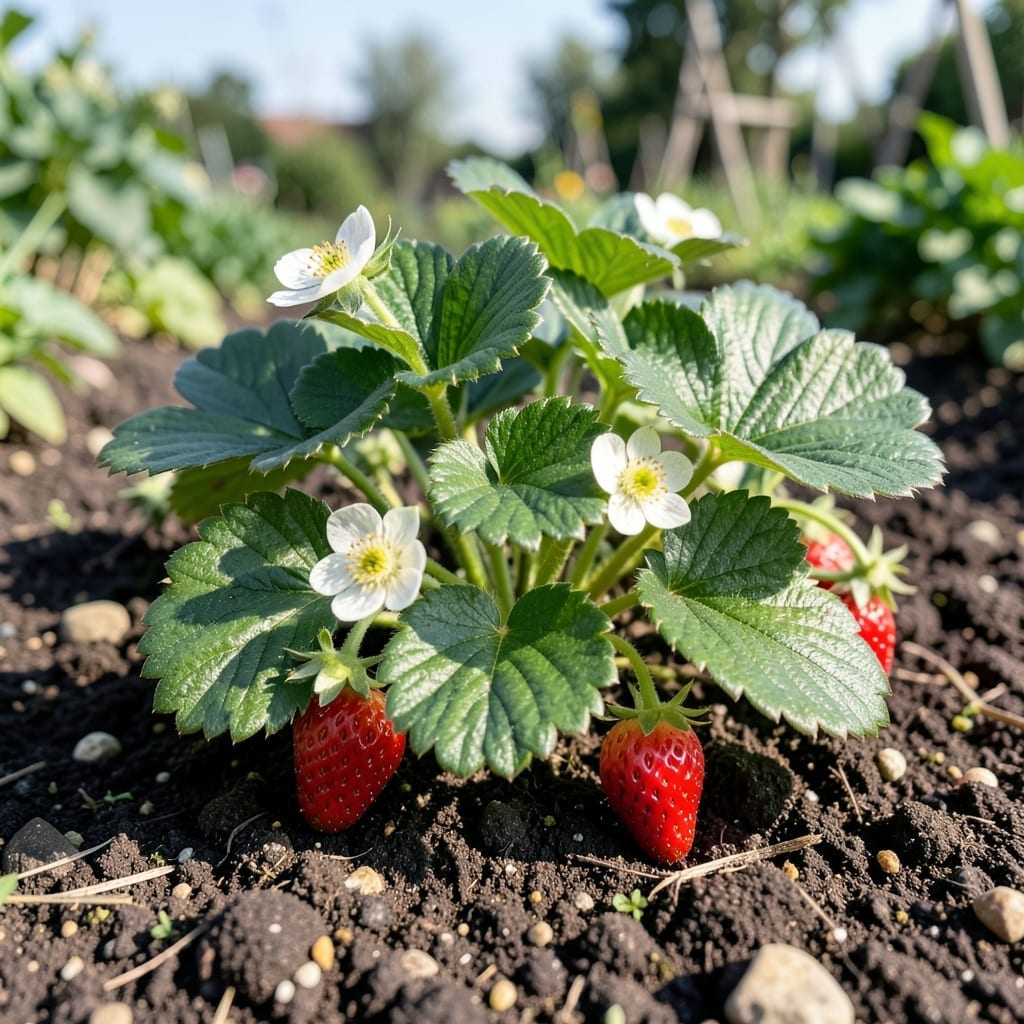
I’ll be real with you: White Soul strawberries changed how I think about berry patches. Their pale fruit and sweet flavor stand out, but they need the right care to thrive.
Start with well-draining soil, full sun, and consistent watering. This variety rewards patience with a unique harvest that’s as productive as it is beautiful. Here’s the foolproof approach.
📚 In This Guide
Here’s my field-tested method for cultivating these unique alpine varieties with maximum flavor and vigor.
Choose a location with full sun to partial shade, as White Soul strawberries tolerate less direct light than standard varieties. The soil should be well-draining with a pH between 5.5 and 6.5—test with a kit if you’re unsure. I always amend the bed with 2-3 inches of compost worked into the top 6 inches of native soil.
Remove all weeds and debris, as these compete for nutrients and can harbor pests. A raised bed works exceptionally well for these plants, preventing waterlogging while warming the soil faster in spring. If planting in containers, ensure they’re at least 8 inches deep with drainage holes.
Set each crown so the base of the leaves sits just above the soil line—burying it too deep causes rot, while planting too high exposes roots. Space plants 12-18 inches apart in rows 2 feet apart to allow for runners. White Soul strawberries spread moderately, so this spacing prevents overcrowding.
Water immediately after planting with 1-2 gallons per square foot to settle the soil around roots. I use a watering can with a rose attachment to avoid displacing the plants. The soil should feel moist but not soggy to a depth of 4 inches after watering.
Maintain even moisture, especially during fruit formation, as fluctuations cause berries to split or develop poor texture. These plants prefer 1-1.5 inches of water per week, including rainfall. Drip irrigation works best, delivering water directly to the roots while keeping foliage dry to prevent disease.
Check soil moisture daily during hot spells by inserting your finger 1 inch deep—if it feels dry, it’s time to water. Morning watering allows foliage to dry before evening, reducing fungal risks. Mulch with 2-3 inches of straw to retain moisture and suppress weeds.
Apply a balanced organic fertilizer, such as 10-10-10, at planting and again every 4-6 weeks during the growing season. I prefer a liquid fish emulsion diluted to half strength for a gentle nutrient boost. Avoid high-nitrogen fertilizers, as they promote leafy growth at the expense of fruit production.
Remove runners as they appear unless you want to propagate new plants. These divert energy from fruit production. Prune older leaves in early spring to encourage fresh growth. Watch for slugs, which are particularly fond of these strawberries—handpick them at dawn or use organic iron phosphate baits.
White Soul strawberries ripen to an ivory color with a slight blush, unlike traditional red varieties. They’re ready to pick when the entire berry turns pale and the seeds darken slightly. Harvest in the morning when temperatures are cool for the best flavor and firmness.
Use scissors or pinch the stem just above the berry to avoid damaging the plant. These strawberries are delicate, so handle them gently. They don’t store well, so enjoy them within 2-3 days of picking for maximum sweetness and aroma.
Here’s what I’ve learned from seasons of growing these delicate alpine berries—avoid these pitfalls for the best harvest.
The Soil Factor: Don’t skip testing your soil pH—White Soul strawberries need that 5.5 to 6.5 range for optimal growth. I’ve seen plants struggle in neutral soil until I amended with sulfur to lower the pH. Work in 2-3 inches of compost into the top 6 inches for well-draining, nutrient-rich soil.
Watering Wisdom: The 1-1.5 inches of water per week guideline is non-negotiable, especially during fruit formation. Fluctuations cause splitting or mealy texture. Use drip irrigation to keep foliage dry, and always water in the morning to prevent fungal issues. Check soil 1 inch deep daily during heatwaves—if it’s dry, water immediately.
Planting Precision: Crowning is critical—bury the base of the leaves too deep and rot sets in; plant too high and roots dry out. That 12-18 inch spacing with 2-foot rows isn’t just for airflow—it prevents runners from tangling. After planting, water with 1-2 gallons per square foot to eliminate air pockets.
Maintenance Must: Those runners? Remove them unless you’re propagating. They sap energy from fruit production. Every 4-6 weeks, hit your plants with that 10-10-10 fertilizer, but avoid high-nitrogen options—they’ll give you leaves instead of berries. Slugs love these strawberries, so set traps or handpick at dawn.
White soul, or white mold, is caused by the fungus Sclerotinia sclerotiorum. It thrives in cool, wet conditions and spreads through infected plant debris or soil. Proper spacing and airflow can help prevent it.
Remove infected plants immediately and apply organic fungicides like neem oil or copper-based sprays. Rotate crops and avoid overhead watering to reduce moisture buildup.
Treat early in the season or at the first sign of infection. Apply fungicides in the morning for best absorption and to allow foliage to dry during the day.
Yes! Varieties like ‘Albion,’ ‘Seascape,’ and ‘Chandler’ show some resistance. Check with local nurseries for region-specific recommendations.
Reinfection can occur from lingering spores in the soil or nearby debris. Ensure thorough cleanup and consider solarizing soil before replanting.