
Beautiful Plants For Your Interior
Beautiful Plants For Your Interior
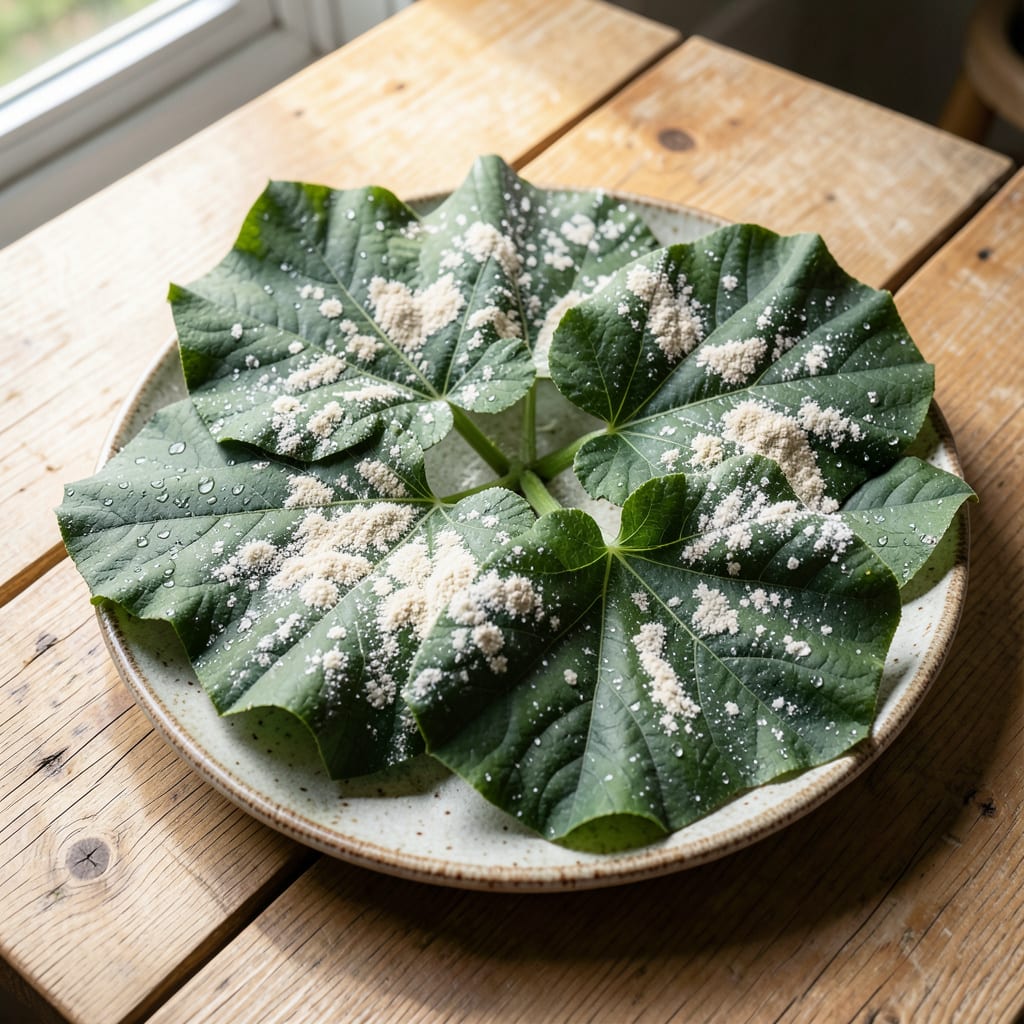
White fuzz on your pumpkin leaves means trouble. I spotted it first thing last summer—those cottony patches spreading fast across my vines. It’s white mold, a fungal infection that can wipe out a healthy patch if left unchecked.
This sneaky fungus thrives in cool, humid conditions, especially when plants are crowded. The good news? Catching it early makes all the difference. I learned that copper-based treatments work wonders when applied at the first sign of trouble.
With the right approach, you can stop the spread within a week. Your pumpkins will keep growing, and you’ll save the harvest. The key is acting fast and being consistent with your treatment.
Prevention is simpler than you think. Proper spacing, good air circulation, and a watchful eye will keep your pumpkins healthy all season long.
White mold on pumpkin leaves is primarily caused by the fungal pathogen Sclerotinia sclerotiorum. This fungus thrives in specific environmental conditions and can spread rapidly under the right circumstances. Below are the key triggers for its development:
High humidity and prolonged leaf wetness create the perfect breeding ground for Sclerotinia. Overhead irrigation, frequent rain, or poor air circulation in the garden can trap moisture on leaves, encouraging fungal spore germination. Pumpkin plants in densely packed or shaded areas are especially vulnerable.
The fungus flourishes in cooler temperatures, typically between 50°F and 75°F (10°C–24°C). Early spring or late fall planting, when nights are chilly, increases the risk of infection. Sudden temperature drops or frost can also stress plants, making them more susceptible.
Sclerotinia sclerotiorum overwinters in dead plant material, including fallen leaves, stems, and unharvested pumpkins. If infected debris remains in the soil, it releases spores the following season, reinfecting new growth. Poor garden sanitation is a major contributor to recurring outbreaks.
Crowded plantings or thick foliage restrict airflow, allowing humidity to build up around leaves. This stagnant environment not only promotes fungal growth but also slows drying time after rain or watering. Proper spacing (at least 3–4 feet between plants) helps mitigate this risk.
The fungus can spread through contaminated gardening tools, infected soil, or even water splashing from the ground onto leaves. Using unsterilized pruners or working in wet conditions can inadvertently transfer spores to healthy plants.
White mold on pumpkin leaves can be managed with targeted solutions. Below are practical fixes for common causes, along with prevention tips to keep your patch healthy.
Trim dense foliage to allow airflow between plants. Space pumpkin vines at least 3–4 feet apart to reduce humidity buildup. Use a fan in greenhouses or shaded areas to keep air moving.
Prevention tip: 💡 Prune regularly and avoid overcrowding from the start.
Water at the base of plants early in the day so leaves dry quickly. Use drip irrigation to avoid wetting foliage. If overhead watering is unavoidable, do it before 10 AM to allow sunlight to dry the leaves.
Prevention tip: 🌡️ Check soil moisture before watering—stick your finger 1 inch deep; if it’s dry, it’s time to water.
At the first sign of white mold, spray copper-based fungicide (like copper sulfate) on affected leaves and surrounding areas. Reapply every 7–10 days or after rain. Remove and destroy severely infected leaves to prevent spread.
Prevention tip: ✨ Rotate crops yearly and remove plant debris after harvest to reduce fungal spores.
Boost plant vigor with balanced fertilizer (e.g., 10-10-10) and compost tea to enhance natural resistance. Avoid high-nitrogen fertilizers, which promote leafy growth at the expense of disease resistance.
Prevention tip: 🎯 Plant disease-resistant pumpkin varieties like ‘Howden’ or ‘Cinderella’ for added protection.
It can move fast—within 2-3 days if conditions are wet and cool. Remove infected leaves immediately to slow the spread.
Yes, when used as directed. Apply copper-based fungicide at least 7 days before harvest and always follow label instructions.
No, never compost infected plant material. The fungus can survive and spread. Burn or bag the leaves and dispose of them in the trash.
Yes, pruning improves airflow and reduces humidity. Space vines 3-4 feet apart and remove dense foliage to prevent future outbreaks.
