
Beautiful Plants For Your Interior
Beautiful Plants For Your Interior
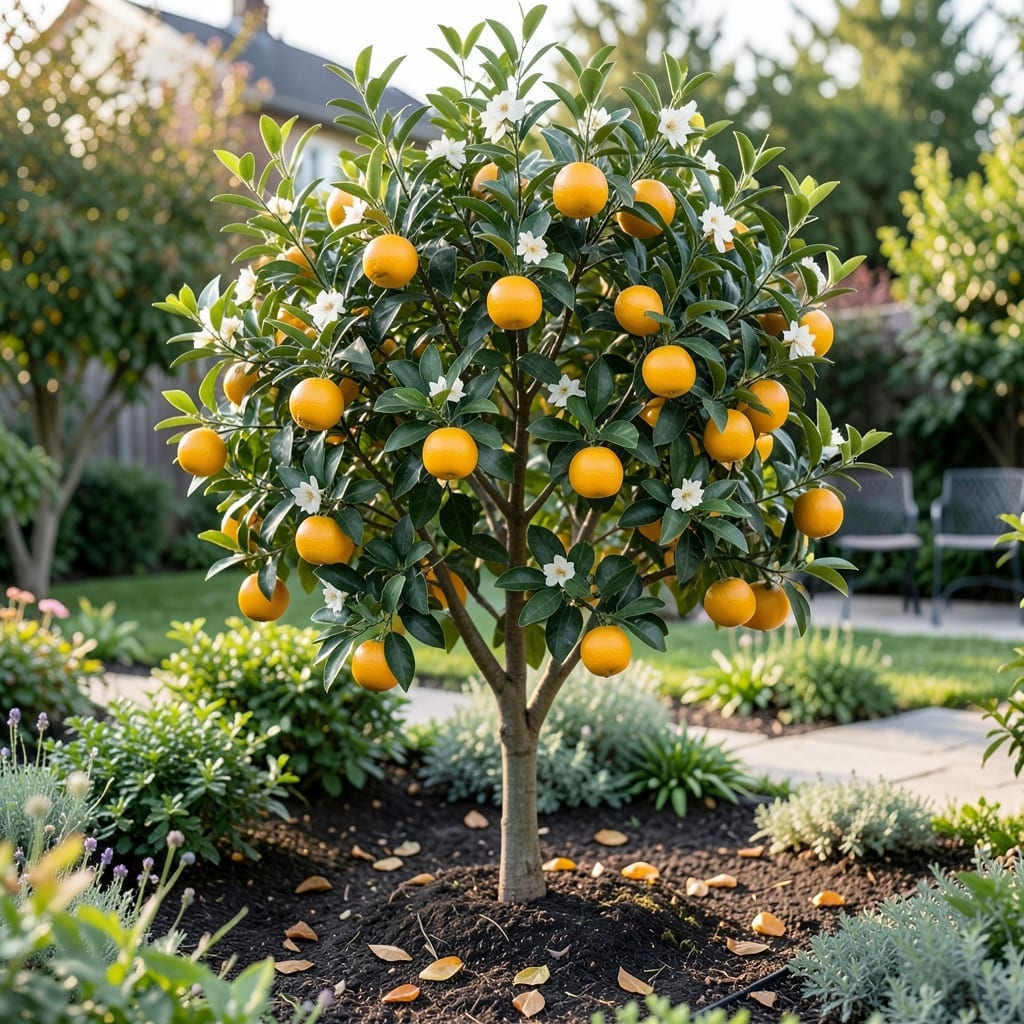
That white film on your orange leaves isn’t frost—it’s trouble. I first spotted it on my Meyer lemon last spring, and it spread faster than I expected.
This powdery coating suffocates leaves and stunts fruit production. The good news is it’s treatable with simple solutions and preventable with better air circulation and monitoring.
You’ll see new growth return to its vibrant green within 2-3 weeks of proper treatment. The key is catching it early before it weakens your entire plant.
Works for all citrus varieties, from dwarf oranges to full-size trees. Here’s how to stop it in its tracks.
The white powder on oranges is typically caused by powdery mildew, a fungal disease that thrives in warm, dry climates with high humidity. Here’s why it happens:
Powdery mildew flourishes when temperatures range between 60–80°F (15–27°C) and relative humidity is high (70–90%). Poor air circulation exacerbates the problem, allowing spores to settle and multiply on the fruit’s surface.
Some orange varieties, like Navel or Valencia, are more prone to powdery mildew due to their dense foliage or genetic vulnerability. Young trees or stressed plants (from drought or nutrient deficiency) are also at higher risk.
Watering from above wets the leaves and fruit, creating a moist environment ideal for fungal spores to germinate. Drip irrigation at the base of the tree is a better alternative to keep foliage dry.
Skipping fungicidal sprays (like sulfur-based or neem oil treatments) or failing to prune overcrowded branches can leave oranges vulnerable. Regular maintenance disrupts the fungus’s lifecycle.
If your oranges are developing that unsightly white powder, don’t panic—there are clear fixes for each underlying cause. Here’s your action plan, mapped to the most common issues:
Rid infected trees of the fungus by spraying neem oil or a baking soda solution (1 tbsp baking soda + 1 tsp dish soap + 1 gallon water) on leaves and fruit. Remove heavily affected fruit to stop the spread. For prevention, improve air circulation by pruning dense branches and avoid overhead watering.
Prevention tip: 🌡️ Water in the morning so foliage dries quickly in sunlight.
If the powder is from spray residue or hard water, gently wash the fruit with clean, distilled water and a soft brush. To prevent future buildup, use filtered water for irrigation and avoid excessive use of sulfur-based fungicides.
Dust the leaves with a damp cloth and ensure consistent watering. Mulch around the base to retain soil moisture. Prevention tip: ✨ Install windbreaks if your area is dusty, and maintain a regular watering schedule.
Wipe off visible pests with a cotton swab dipped in rubbing alcohol. For larger infestations, apply insecticidal soap. Keep ants away (they protect mealybugs) with sticky traps.
Prevention tip: 💡 Introduce natural predators like ladybugs to your garden.
Act quickly, stay consistent, and your citrus will bounce back—powder-free and thriving! 🍊
No, the powder itself isn’t toxic if ingested in small amounts. However, it’s best to wash it off thoroughly before consumption. The fungus can affect flavor and texture, so removing affected areas is recommended.
Yes, but wash the oranges first with a vinegar-water solution to remove surface spores. If the powder is widespread, discard heavily affected fruit to prevent spreading spores to healthy ones.
Apply neem oil every 7-10 days until the infection clears, then monthly for prevention. Always spray in the evening to avoid leaf burn, and cover both sides of leaves thoroughly.
Yes, powdery mildew spores can travel via wind or water to nearby susceptible plants. Isolate infected citrus and treat all vulnerable plants preventatively. Improve airflow between plants to reduce risk.