
Beautiful Plants For Your Interior
Beautiful Plants For Your Interior
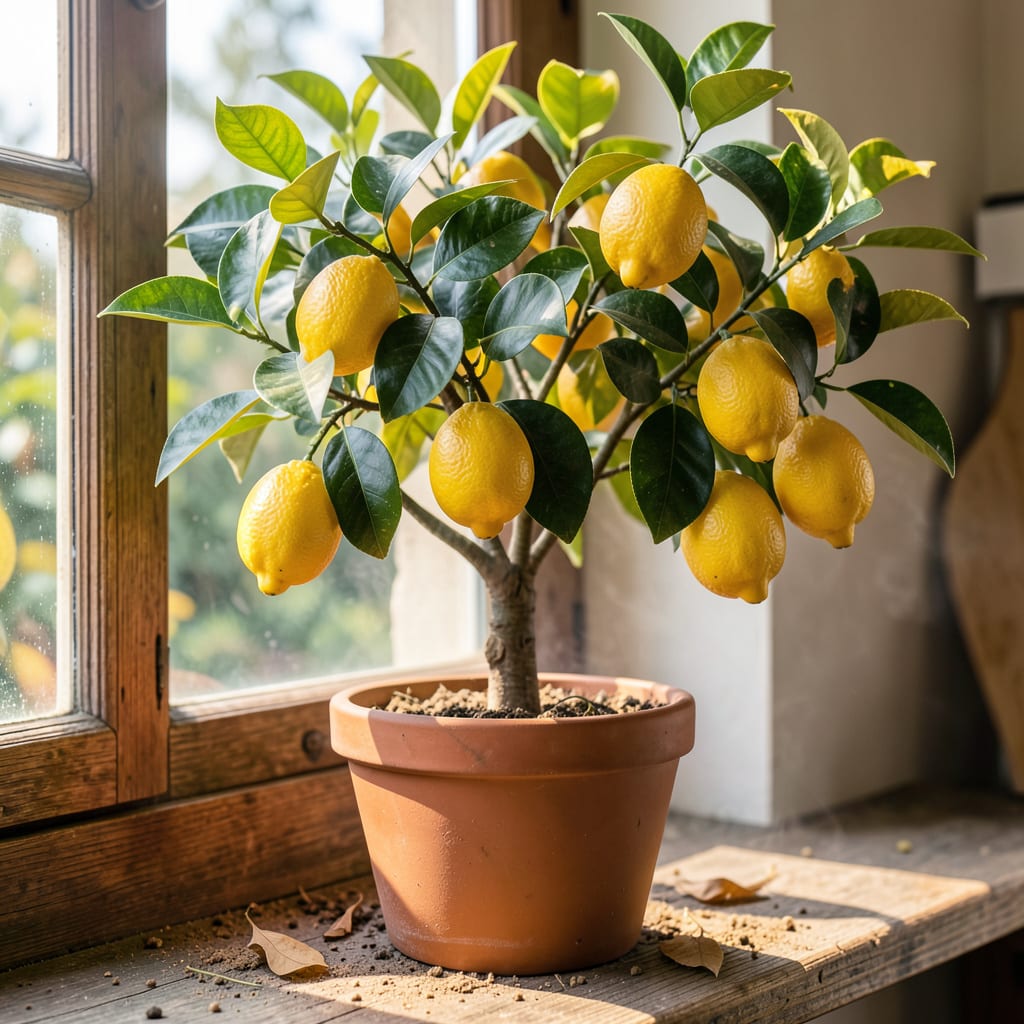
Yellow leaves on your Meyer lemon tree aren’t just unsightly—they’re a cry for help. I’ve seen this happen to mine after a sudden temperature drop or when I got too enthusiastic with the watering can.
The usual suspects are nutrient deficiencies, water issues, or soil pH problems. Most people jump to conclusions about nitrogen or iron, but overwatering is the silent killer I see most often in container-grown trees.
You’ll want to check the soil moisture first—stick your finger 2 inches down. If it’s soggy, you’ve found your problem. If dry, we’ll look at what your tree might be missing.
Fix it now, and you’ll see new vibrant green growth within 2-3 weeks. The solution is usually simpler than you think.
Meyer lemon leaves turning yellow often signal underlying issues that disrupt the tree’s health. Below are the most frequent causes, explained with actionable insights.
Yellowing leaves (chlorosis) often stem from a lack of essential nutrients, particularly nitrogen, iron, or magnesium. Nitrogen deficiency typically affects older leaves first, turning them uniformly yellow. Iron deficiency, however, causes yellowing between the veins (interveinal chlorosis) in younger leaves, while magnesium deficiency creates yellow patches with green veins, often on older foliage. A soil test can confirm which nutrient is lacking, allowing you to amend the soil with targeted fertilizers like chelated iron or Epsom salt (for magnesium).
Meyer lemons thrive in slightly acidic to neutral soil (pH 6.0–7.0). If the pH drifts too high (alkaline), nutrients like iron, zinc, and manganese become less available, even if present in the soil. This triggers chlorosis. Test your soil’s pH and adjust it by adding sulfur to lower pH or lime to raise it. For quick fixes, foliar sprays with chelated nutrients can bypass soil absorption issues.
Excess water suffocates roots, leading to root rot and poor nutrient uptake. Yellowing leaves may appear limp or droopy, and the soil may smell foul. Ensure your Meyer lemon is planted in well-draining soil and a pot with drainage holes. Water only when the top 1–2 inches of soil are dry, and reduce frequency in cooler months.
Sap-sucking pests like spider mites, aphids, or scale can drain the tree’s resources, causing yellowing leaves. Inspect the undersides of leaves for webbing, sticky residue (honeydew), or tiny insects. Treat infestations with neem oil or insecticidal soap, and isolate the plant to prevent spread.
Sudden changes in light, temperature, or humidity can stress the tree, leading to leaf yellowing. Meyer lemons need 6–8 hours of sunlight daily and protection from drafts or extreme temperatures (below 50°F or above 90°F). Acclimate the tree gradually to new conditions to minimize shock.
If your Meyer lemon tree’s leaves are turning yellow, don’t worry—there are practical ways to nurse it back to health. Below are targeted fixes for the most common causes, along with prevention tips to keep your tree thriving.
Yellowing leaves often signal a lack of essential nutrients like nitrogen, magnesium, or iron. Fix: Apply a balanced, citrus-specific fertilizer (10-10-10 or 12-6-6) to replenish missing nutrients. For quick results, use a foliar spray with chelated iron or Epsom salt (1 tablespoon per gallon of water) for magnesium. Prevention: Fertilize every 4-6 weeks during the growing season and test soil annually.
Too much water or soggy soil can suffocate roots, leading to yellow leaves. Fix: Let the top 1-2 inches of soil dry out between waterings. If the pot lacks drainage, repot your tree in a well-draining container with a mix of potting soil, perlite, and compost. Prevention: Water deeply but infrequently, and ensure pots have drainage holes.
Meyer lemons thrive in slightly acidic soil (pH 6.0–7.0). If the pH is off, nutrients become unavailable. Fix: Test your soil with a pH kit. For high pH, amend with sulfur or peat moss. For low pH, add lime. Prevention: Retest soil pH every 6 months and adjust as needed.
Pests like spider mites or aphids can stress the tree, causing yellowing. Fix: Spray leaves with neem oil or insecticidal soap (1 tablespoon per quart of water) every 5-7 days until pests are gone. Prevention: Inspect leaves regularly and keep the area around your tree clean.
Too little light or sudden temperature swings can shock the tree. Fix: Move potted trees to a spot with 6-8 hours of sunlight daily. Protect from cold drafts or extreme heat. Prevention: Acclimate trees gradually to new conditions and use shade cloth in intense summer heat.
Pro tip 💡: Always remove severely yellowed leaves to redirect the tree’s energy to healthy growth.
Water when the top 1-2 inches of soil feels dry. In warm weather, this might mean watering 2-3 times per week, but always check soil moisture first. Overwatering is a common cause of yellow leaves.
Use a citrus-specific fertilizer with a balanced ratio like 10-10-10. For iron deficiency, apply chelated iron. Epsom salt works well for magnesium deficiency. Always follow package instructions.
Severely yellowed leaves typically won’t recover. Remove them to redirect energy to healthy growth. New leaves should appear vibrant green within 2-3 weeks of fixing the issue.
Use a soil pH test kit available at garden centers. Collect soil from 4-6 inches deep for accurate results. Meyer lemons prefer a pH between 6.0-7.0.
