
Beautiful Plants For Your Interior
Beautiful Plants For Your Interior
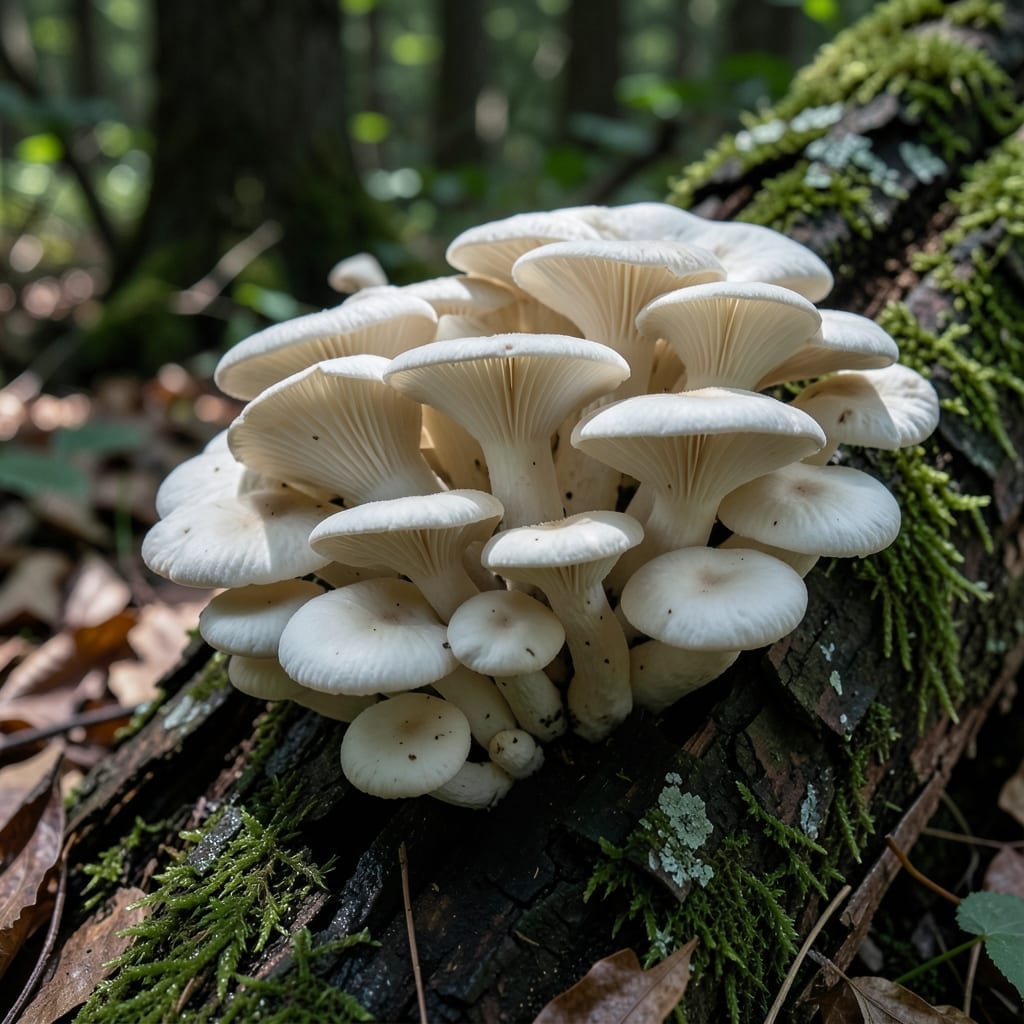
White mushrooms on trees always catch my eye—some are harmless, others signal serious trouble. 🌳 I learned the hard way that ignoring them can mean the difference between a healthy tree and one that’s slowly dying from within.
Most white fungi growing on trees are saprophytic, breaking down dead wood. But some are parasitic, attacking living tissue. The location matters: mushrooms at the base often mean root rot, while those high up typically indicate internal decay.
Managing these fungi starts with proper identification. Some species are harmless; others require immediate action. A certified arborist can help determine if your tree needs treatment or removal to protect other plants.
Prevention is simpler than cure. Keep trees healthy with proper watering, mulching, and pruning. Regular inspections catch problems early, before mushrooms appear and the damage becomes irreversible.
White mushrooms growing on trees are usually a sign of fungal activity, often triggered by specific environmental or biological conditions. Here’s why it happens:
Most white mushrooms on trees, like Armillaria or Ganoderma, thrive on decaying wood. These fungi decompose dead or weakened tree tissue, breaking down cellulose and lignin. If a tree is stressed due to drought, injury, or disease, it becomes vulnerable to fungal spores, which germinate and form mycelium—eventually producing visible mushrooms.
Physical damage, such as broken branches, pruning cuts, or bark injuries, creates entry points for fungal spores. Poor wound care (e.g., improper sealing) accelerates infection. Once inside, fungi spread through the tree’s vascular system, leading to internal rot and mushroom growth on the trunk or branches.
Overwatering, poor soil drainage, or high humidity encourages fungal growth. Saturated conditions weaken a tree’s defenses, making it easier for spores to take hold. White mushrooms often appear after prolonged wet periods, especially in shaded, low-airflow areas where moisture lingers.
Warm, damp seasons (spring/fall) are prime for mushroom development. Temperature fluctuations can stress trees, reducing their ability to resist fungal colonization. Some fungi, like Pleurotus ostreatus (oyster mushrooms), fruit prolifically in these conditions, producing white or off-white caps on dead or dying wood.
If you’ve spotted white fungi popping up on your tree, acting fast can save its health. Below are targeted fixes for common causes, plus ways to keep them from coming back.
Soggy bark or soil invites fungal growth. Trim overgrown branches to boost airflow and sunlight. For potted trees, repot in well-draining soil and ensure containers have drainage holes. In landscapes, amend heavy clay soil with compost or sand to prevent waterlogging.
White mushrooms often signal rotting wood. Prune dead or diseased branches immediately—use sterilized tools to avoid spreading spores. For trunk infections, consult an arborist to assess if the tree can be saved or needs removal. Never compost infected wood; dispose of it far from healthy plants.
Dense foliage traps humidity, creating a fungal paradise. Thin out crowded branches to let air and light penetrate. Space trees properly when planting, and avoid over-mulching—keep mulch 6 inches away from the trunk to prevent moisture buildup.
Pro tip ✨: Healthy trees resist fungi better—fertilize and water properly to strengthen their defenses!
Most white tree mushrooms aren’t toxic to touch, but some may cause skin irritation. Always wear gloves when handling unknown fungi. Never consume them without expert identification.
No, mushrooms are just the visible part. The fungus spreads underground through mycelium. You’ll need to address the root cause, like improving drainage or removing decayed wood.
Yes, fungal spores can travel through air, water, or contaminated tools. Sterilize pruning equipment and remove infected wood immediately. Keep trees spaced properly for better air circulation.