
Beautiful Plants For Your Interior
Beautiful Plants For Your Interior
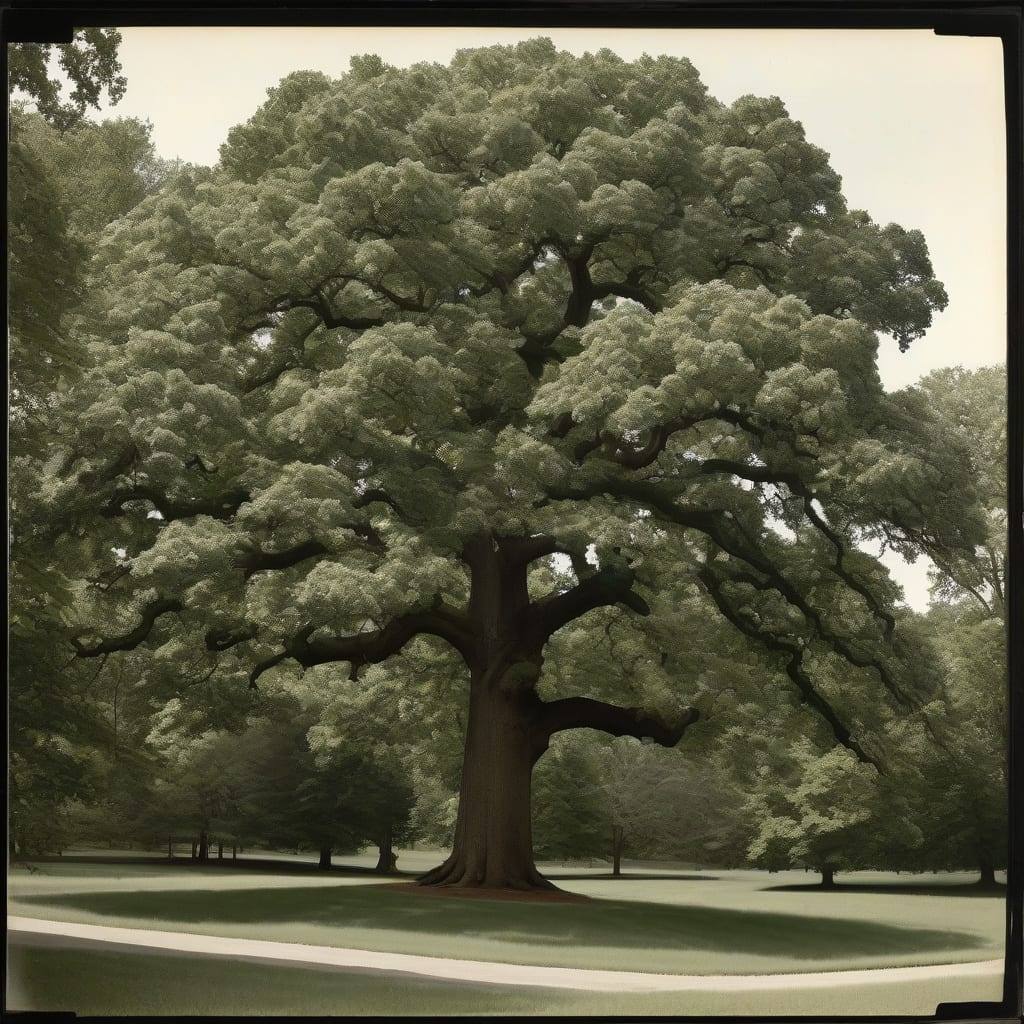
I’ve always been fascinated by the majestic White Oak Tree 🌳, known for its impressive size and longevity. Understanding how tall these trees can grow is essential for planning your landscape.
White Oak Trees can reach heights of 60 to 100 feet, making them a significant presence in any environment. Let’s explore what influences their growth and how to cultivate these natural wonders.


I’ve always been fascinated by the growth potential of White Oak Trees. These majestic trees can reach impressive heights, making them a significant presence in any landscape. Understanding their maximum height potential is crucial for proper planning and care 🌳.
White Oak Trees typically grow between 60 to 100 feet tall, with some exceptional specimens reaching even greater heights. This growth is influenced by various factors including genetics, environmental conditions, and proper care practices.
The growth rate of White Oak Trees is generally considered moderate, with an average annual growth of 1-2 feet. This rate can vary based on factors such as soil quality, climate conditions, and available sunlight 🌟.
Soil quality plays a significant role in the height potential of White Oak Trees. These trees prefer well-drained, rich soils that provide adequate nutrients for growth. Soil pH between 6.0 and 7.0 is considered ideal for optimal growth.
Climate conditions also impact the the impact a White Oak Tree can have on the environment. These trees provide habitat for various wildlife, veterbrates and support biodiversity 🌿.
Understanding these factors helps in cultivating White Oak Trees effectively. Proper care practices, including regular watering, pruning, and protection from pests, contribute to achieving their maximum height potential 🌱.
White Oak Trees are not only valued for their height but also for their ecological significance. They are known for their longevity, with some trees living for several centuries. This makes them a valuable part of the ecosystem and a lasting legacy in any landscape 🌳.
The combination of genetics, environmental conditions, and proper care ultimately determines the height a White Oak Tree can achieve. By understanding and managing these factors, you can help these magnificent trees reach their full potential 💪.
In conclusion, White Oak Trees are remarkable for their ability to grow to significant heights. Their growth is influenced by a variety of factors, and with proper care, they can become a lasting and majestic presence in any landscape 🌲.
I’ve found that several key factors influence the height growth of White Oak Trees. Understanding these elements is crucial for cultivating healthy trees that reach their full potential 🌳.
The height of White Oak Trees can be affected by various factors, including soil quality, climate conditions, and maintenance practices. Let’s explore these factors in more detail.
By understanding and managing these factors, you can help your White Oak Tree grow strong and tall, reaching its full height potential.
Soil quality is particularly important, as White Oak Trees prefer soil that is rich in nutrients and has good drainage. Regular soil testing can help identify any deficiencies that need to be addressed.
Climate conditions also play a significant role in determining the height of White Oak Trees. Trees growing in areas with favorable climate conditions tend to grow more vigorously.
Maintenance practices such as pruning and fertilization can help promote healthy growth and maximize tree height. Regular inspections can help identify any issues early on.
By combining optimal soil conditions, favorable climate, and proper maintenance, you can create an environment that supports the healthy growth of your White Oak Tree 🌲.
I understand that managing the height of White Oak Trees is crucial for different landscapes. These trees can grow quite tall, reaching heights of 60 to 100 feet, making them a significant presence in any environment 🌳.
To manage their height effectively, it’s essential to consider factors such as pruning, training, and maintenance practices. Let’s explore some practical tips for cultivating White Oak Trees in various settings.
Prune your White Oak Tree regularly to maintain its shape and promote healthy growth. Remove any dead or diseased branches to prevent damage 🌟.
Pruning is a critical aspect of managing White Oak Tree height. It’s best to prune during the dormant season to minimize stress on the tree. Remove any branches that are crossing or rubbing against each other to prevent damage 🌿.
Training your White Oak Tree involves shaping its structure to achieve the desired height and form. This can be done by selectively pruning branches to encourage upward or outward growth, depending on your landscape needs 🌲.
By combining proper pruning, training, and maintenance practices, you can effectively manage the height of your White Oak Tree and create a beautiful, thriving landscape 💪.
In conclusion, managing the height of White Oak Trees requires careful consideration of various factors. With the right techniques and practices, you can cultivate these magnificent trees to their full potential 🌳.
