
Beautiful Plants For Your Interior
Beautiful Plants For Your Interior
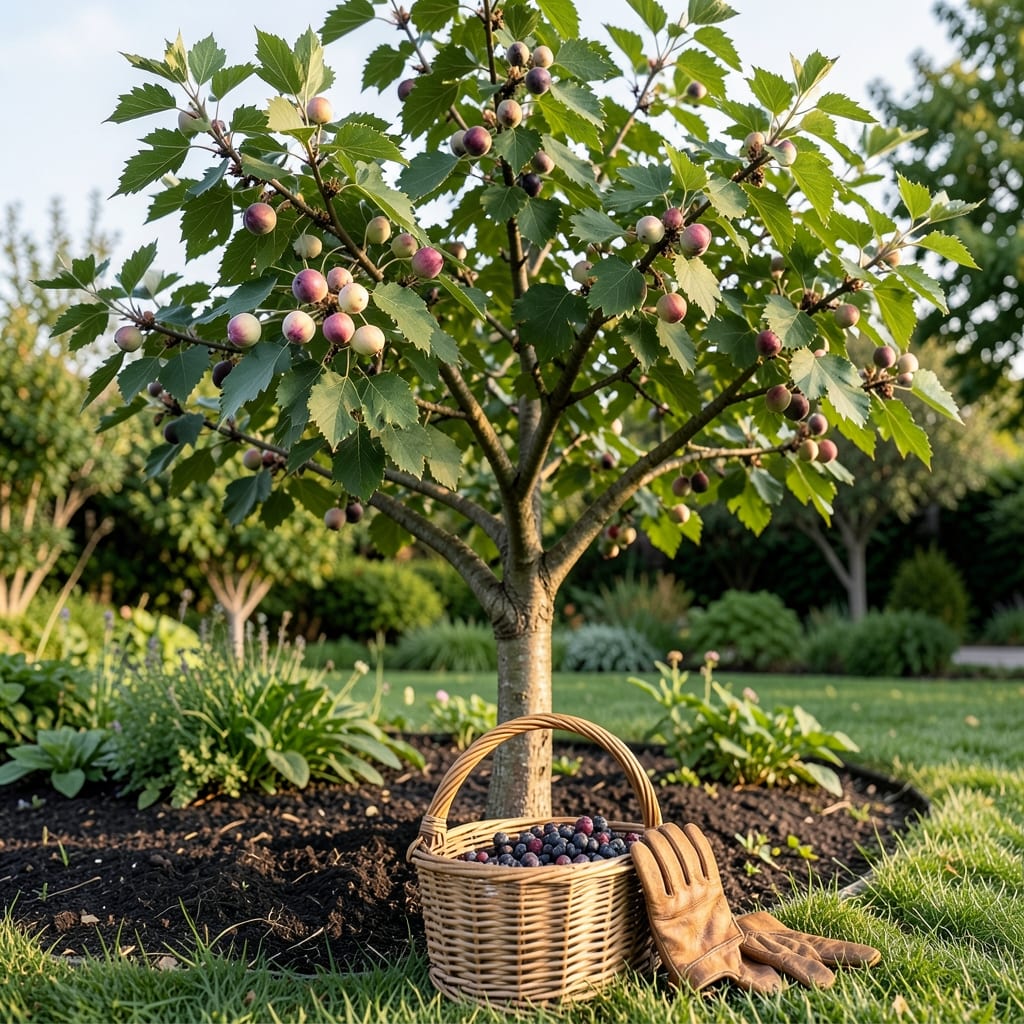
Yes, white mulberry berries are edible and safe to eat when fully ripe. They offer a sweet, slightly tart flavor and are rich in vitamins and antioxidants. Avoid unripe berries, which may cause mild stomach upset.
I love how these berries pack a nutritional punch with their high vitamin C and antioxidant content. They’ve been used for centuries in traditional medicine for their potential to support blood sugar balance. When harvesting, look for deep purple or white fruit that detaches easily from the stem, as this signals peak ripeness. ✨
For culinary uses, they shine in jams, syrups, or even dried for teas. Their mild flavor makes them versatile in both sweet and savory dishes. 🔥
💡 In This Article
White mulberries pack a surprising 51mg of vitamin C per 100g, which is about 57% of your daily value. This makes them a potent immune booster, as vitamin C supports white blood cell function and acts as a powerful antioxidant. The berries also contain resveratrol, a compound linked to heart health and anti-aging benefits. 🌟
Their antioxidant profile includes flavonoids and polyphenols, which combat oxidative stress in the body. Studies show these compounds may help regulate blood sugar by improving insulin sensitivity. White mulberries have a low glycemic index of 25, making them a smart choice for those monitoring glucose levels. ✨
What sets them apart is their fiber content—about 1.7g per 100g. This aids digestion and promotes gut health by feeding beneficial gut bacteria. The fiber also slows sugar absorption, contributing to their blood sugar-friendly reputation. 💫
These berries outperform many common fruits in nutritional density. For example, they contain 3x more iron than blueberries and 2x the calcium of strawberries. Their mineral content includes potassium, magnesium, and zinc, supporting everything from muscle function to immune defense. 🔥
Traditional medicine has long used white mulberry leaves for their potential to support metabolic health. Modern research confirms the fruit shares many of these benefits, particularly in glucose metabolism. This makes them a functional food with both preventive and supportive health applications. ⚡
Yes, young leaves are edible and often used for tea or cooked as greens. They contain compounds that may help regulate blood sugar, but avoid mature leaves as they can be tough and bitter.
Ripe berries will be deep purple, white, or pink and detach easily from the stem with a gentle tug. They’ll also have a slightly soft texture and sweet aroma.
Unripe mulberries contain mild toxins that can cause stomach upset, nausea, or diarrhea in some people. Always ensure they’re fully ripe before eating.
These trees thrive in well-drained soil with full sun. They’re low-maintenance and can produce fruit within 2-3 years of planting.