
Beautiful Plants For Your Interior
Beautiful Plants For Your Interior
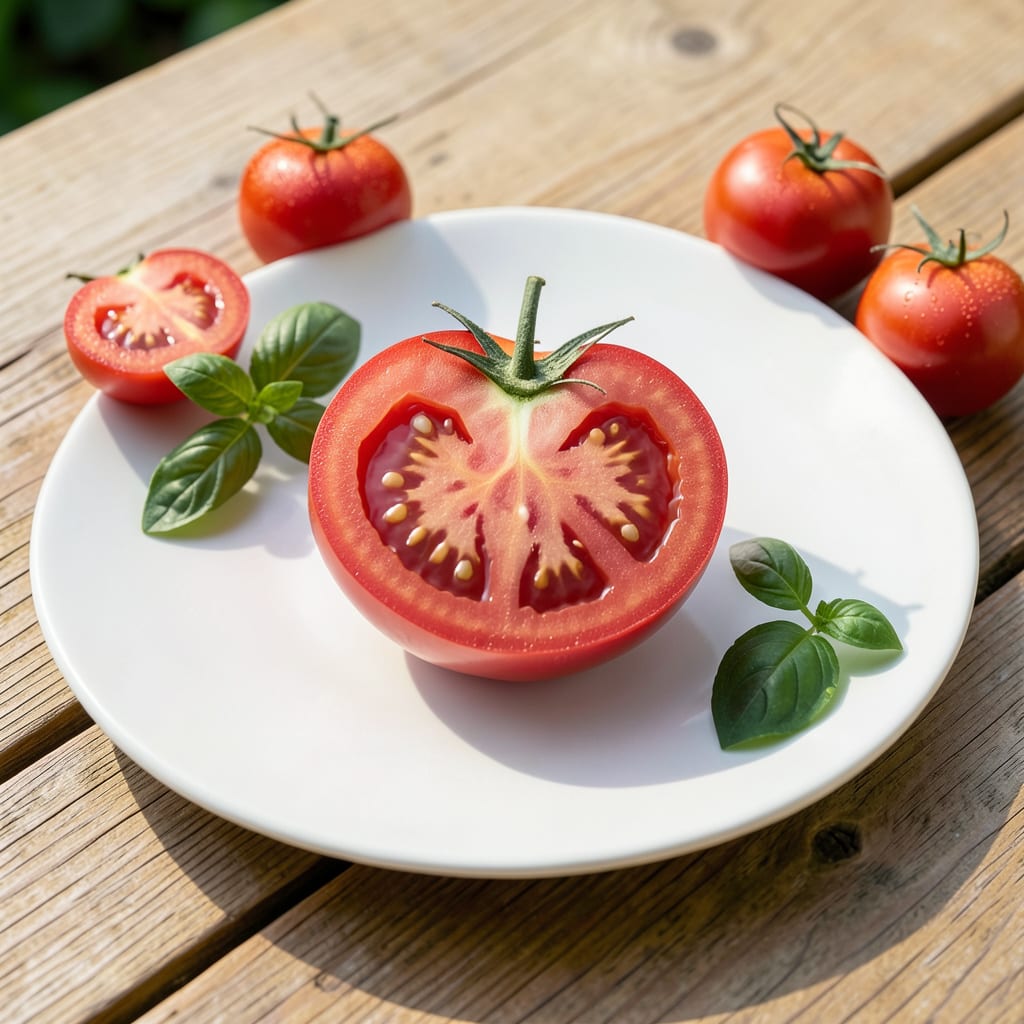
I found white spots in my tomatoes last summer and panicked. Turns out, they’re usually harmless and won’t hurt you.
These spots often come from uneven ripening, stink bug damage, or environmental stress. Most are safe to eat, but some can signal rot or disease.
Prevention starts with consistent watering and checking plants for pests. Healthy plants mean cleaner fruit inside and out.
If the tomato smells fine and the spots aren’t moldy, it’s likely good to go. When in doubt, toss it out.
White spots inside tomatoes can be alarming, but they often have harmless causes. Here’s a breakdown of the most common reasons and the science behind them:
Some tomato varieties naturally develop white or pale internal tissue due to genetic traits. Heirloom and certain hybrid types, like ‘White Queen’ or ‘Great White’, may have uneven pigmentation or translucent gel sacs that appear spotty. This is purely aesthetic and doesn’t affect safety or flavor.
Rapid temperature fluctuations or inconsistent sunlight exposure during growth can disrupt lycopene (the red pigment) production. This leads to patches of underripe, white tissue inside otherwise red tomatoes. These spots are firm and tasteless but safe to consume.
While classic blossom end rot causes dark, sunken spots at the bottom of the fruit, mild calcium deficiency can create small, white, corky areas inside. This happens when calcium transport is interrupted by drought stress or waterlogged soil. The affected tissue may feel slightly tougher but is non-toxic.
In rare cases, stink bug or plant bug feeding can cause white, hardened spots under the skin or within the flesh. These are a result of cell death from salivary enzymes injected during feeding. While unsightly, the damage is localized and doesn’t make the tomato unsafe—just trim the affected areas.
If you’ve spotted white areas inside your tomatoes, don’t toss them just yet. Here’s how to address the most common causes and keep your harvest safe and delicious.
If the white spots are dry, corky, or accompanied by dimples on the skin, stink bugs are likely the culprit. Cut out the affected areas—they’re safe to eat but may taste bitter. To prevent future damage, use row covers early in the season or introduce natural predators like ladybugs. Pro tip: 💡 Inspect tomatoes regularly, especially during peak bug season (late summer).
White, spongy tissue inside tomatoes often results from uneven watering, heat stress, or nutrient deficiencies. Water consistently (1–2 inches per week) to avoid drought stress, and mulch around plants to retain moisture. If heat is the issue, provide shade cloth during the hottest part of the day. For nutrient imbalances, test your soil and amend with compost or a balanced fertilizer. 🎯 Prevention: Plant heat-tolerant varieties like ‘Heatmaster’ or ‘Solar Fire’ in hot climates.
Soft, watery white spots with a foul odor signal a possible fungal or bacterial infection (e.g., early blight or bacterial spot). Remove infected tomatoes immediately to prevent spread. Prune affected leaves and improve airflow by spacing plants properly. Apply a copper-based fungicide (for organic gardens) or a bactericide as a preventive measure. ✨ Prevention: Rotate crops yearly and avoid overhead watering to reduce humidity around plants.
Tiny white spots or tunnels inside tomatoes may indicate tomato fruitworms or aphids. Pick off visible pests by hand or use neem oil spray (apply in the evening to avoid harming bees). For severe infestations, introduce beneficial insects like parasitic wasps. 🌡️ Prevention: Encourage biodiversity in your garden to deter pests naturally.
Final Note: If the white spots are minor and the tomato otherwise looks and smells fine, it’s safe to eat after removing the affected parts. When in doubt, prioritize prevention to enjoy blemish-free tomatoes next season!
Yes, trimming affected areas is best. If the tomato smells fine and the spots aren’t moldy or slimy, the rest is typically safe to eat.
Only if they’re soft, discolored, or have a bad odor. Firm, dry spots are usually harmless. When in doubt, discard the tomato.
Water consistently, use mulch, and protect plants from pests. Healthy growing conditions reduce most internal blemishes.
Usually not, though pest-damaged areas may taste bitter. Most spots are just cosmetic and don’t impact taste.
