
Beautiful Plants For Your Interior
Beautiful Plants For Your Interior
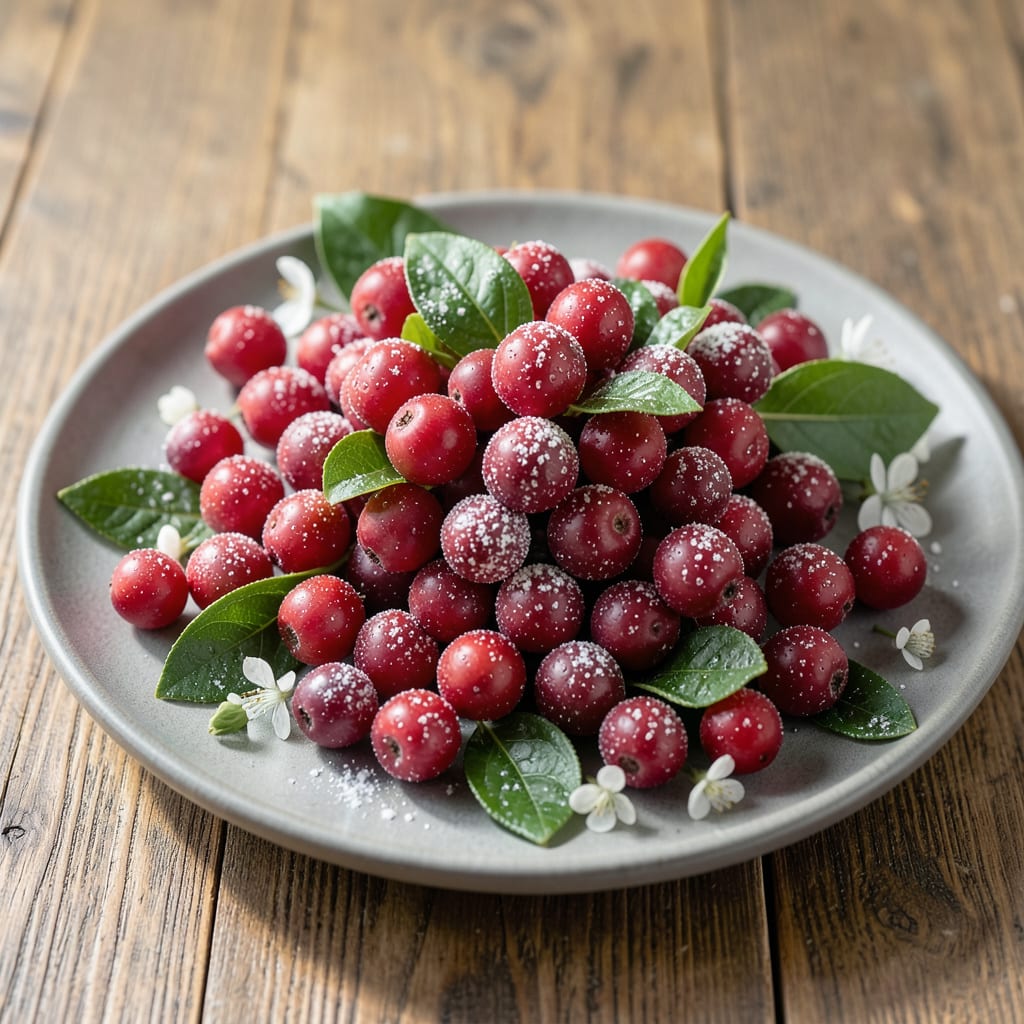
Spotted red berries in your garden are trying to tell you something. I’ve seen this pattern on strawberries, raspberries, and even ornamentals—it always means trouble, but the fix is usually simpler than you think.
White spots often point to fungal issues like powdery mildew or pest damage from spider mites. The good news? Both respond well to natural remedies you probably already have at home, like neem oil or baking soda solutions.
Left unchecked, the problem spreads fast, ruining your harvest and weakening plants. Early action makes all the difference—I saved last year’s strawberry crop with a 3-day treatment of diluted soap spray.
Prevention is even easier: improve airflow, avoid overhead watering, and keep your garden clean. These small changes stop most issues before they start.
Red berries developing white spots can stem from several biological and environmental factors. Below are the most common causes, explained with actionable insights.
Fungi like Powdery Mildew or Botrytis thrive in humid conditions, forming white, powdery or fuzzy spots on berries. These pathogens spread via spores, often encouraged by poor air circulation or overhead watering. Action: Improve ventilation, avoid wetting foliage, and apply copper-based fungicides preventatively.
Insects such as scale insects or mealybugs secrete white, waxy residues while feeding on plant sap. Their presence weakens berries and can introduce secondary infections. Action: Inspect undersides of leaves, remove pests manually, or use insecticidal soap for severe cases.
Extreme temperature swings or excessive sunlight can cause physiological stress, leading to white discoloration (e.g., sunscald). Berries may develop blotchy spots if exposed to intense UV without adequate shading. Action: Provide shade cloth during peak sun and maintain consistent watering.
Some berry varieties naturally produce white-speckled fruit due to chimeral variegation—a genetic quirk where cells lack chlorophyll. This is harmless but can be mistaken for disease. Action: Confirm with a horticulturist if spots are uniform and non-progressive.
If your berries are showing white spots, the fix depends on the underlying cause. Below are practical solutions for each common issue, along with prevention tips to keep your harvest spotless.
Fix: Remove and destroy affected berries immediately to prevent spread. Apply a copper-based fungicide or a homemade spray of 1 tsp baking soda + 1 quart water + a few drops of dish soap. Spray in the early morning for best results.
Prevent: Improve air circulation by pruning dense foliage. Water at the base of plants (not overhead) to keep leaves dry. 💡 Pro tip: Plant disease-resistant varieties like ‘Chandler’ strawberries.
Fix: For spider mites or lace bugs, blast them off with a strong stream of water. Introduce beneficial insects like ladybugs or use neem oil spray (mix 2 tbsp neem oil + 1 tsp dish soap + 1 gallon water). Reapply every 5–7 days until pests are gone.
Prevent: Inspect plants regularly, especially the undersides of leaves. Use row covers to block pests early in the season.
Fix: If spots are from sunburn or water stress, move potted plants to partial shade and ensure consistent moisture. Mulch around the base to retain soil humidity.
Prevent: Water deeply 1–2 times per week (more in extreme heat). ✨ Pro tip: Use drip irrigation to avoid wetting the foliage.
Fix: Test your soil—white spots can signal a calcium or magnesium shortage. Amend with crushed eggshells (for calcium) or Epsom salt (1 tbsp per gallon of water for magnesium).
Prevent: Feed plants with a balanced, organic fertilizer every 4–6 weeks during the growing season.
Fungal infections like powdery mildew or pest infestations such as spider mites are the most common causes. Environmental stress from heat or inconsistent watering can also trigger this issue.
It’s best to avoid eating affected berries if the spots are from pests or fungal growth. If the cause is genetic variegation, the fruit is safe but may taste different. When in doubt, discard them.
Improve airflow around plants, water at the base to keep foliage dry, and use drip irrigation. Regularly inspect leaves for pests and maintain consistent moisture levels.
