
Beautiful Plants For Your Interior
Beautiful Plants For Your Interior
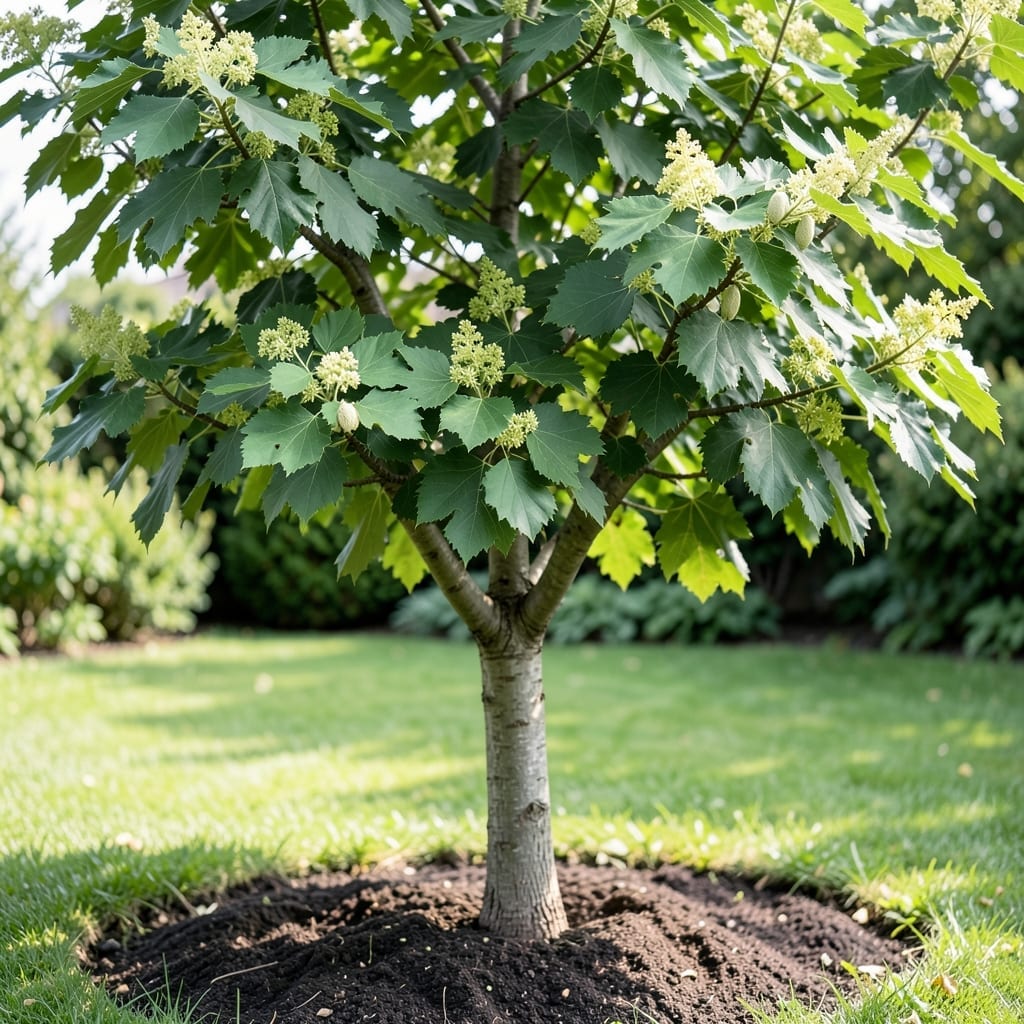
White mulberry is a deciduous tree native to eastern and central Asia, known for its sweet, edible berries and leaves that serve as the sole food source for silkworms.
I’ve worked with this plant extensively and can tell you it’s prized for more than just silk production. Traditional medicine has used its leaves and fruit for centuries to support blood sugar balance and overall wellness. 🌟
What’s fascinating is how its adaptability allows it to thrive in diverse climates, from temperate forests to urban gardens.
💡 In This Article
This tree grows 30-50 feet tall with a rounded canopy, featuring heart-shaped leaves that are 2-7 inches long. The bark starts smooth and gray but develops deep furrows as it matures, creating a textured, almost sculptural appearance. 🔥
White mulberry produces 1-2 inch long berries that ripen through a color spectrum from white to deep purple. The fruit’s sweetness varies by cultivar, with some varieties tasting like a cross between honey and blackberry. The leaves have a unique, lobed shape that silkworms find irresistible.
Natively thriving in temperate climates, it prefers well-drained soils but adapts to various conditions. Its extensive root system makes it drought-tolerant once established, while its rapid growth rate (12-24 inches per year) allows it to quickly provide shade and fruit. ✨
The tree’s deciduous nature means it sheds leaves annually, creating a seasonal cycle that supports both silk production and fruit harvesting. Its berries attract wildlife, making it an ecological asset in addition to its agricultural value.
What sets it apart is its morphological adaptability—the same species can produce different leaf shapes (entire or lobed) on the same tree, and its berries may appear white, pink, or purple even within a single cluster. 💫
White mulberry trees reach 30-50 feet tall at maturity, with a rounded canopy. They grow rapidly at 12-24 inches per year under ideal conditions, making them a great choice for quick shade.
Yes, the berries are completely edible raw and have a sweet, honey-like flavor. They ripen through color stages from white to deep purple, so pick them when fully colored for best taste.
They thrive in temperate climates and adapt well to various soil types. Once established, they tolerate drought and urban pollution, making them versatile for many gardens.
The leaves are the sole food source for silkworms, which is why this tree has been cultivated for thousands of years in silk production. Their unique lobed shape makes them irresistible to the worms.