
Beautiful Plants For Your Interior
Beautiful Plants For Your Interior
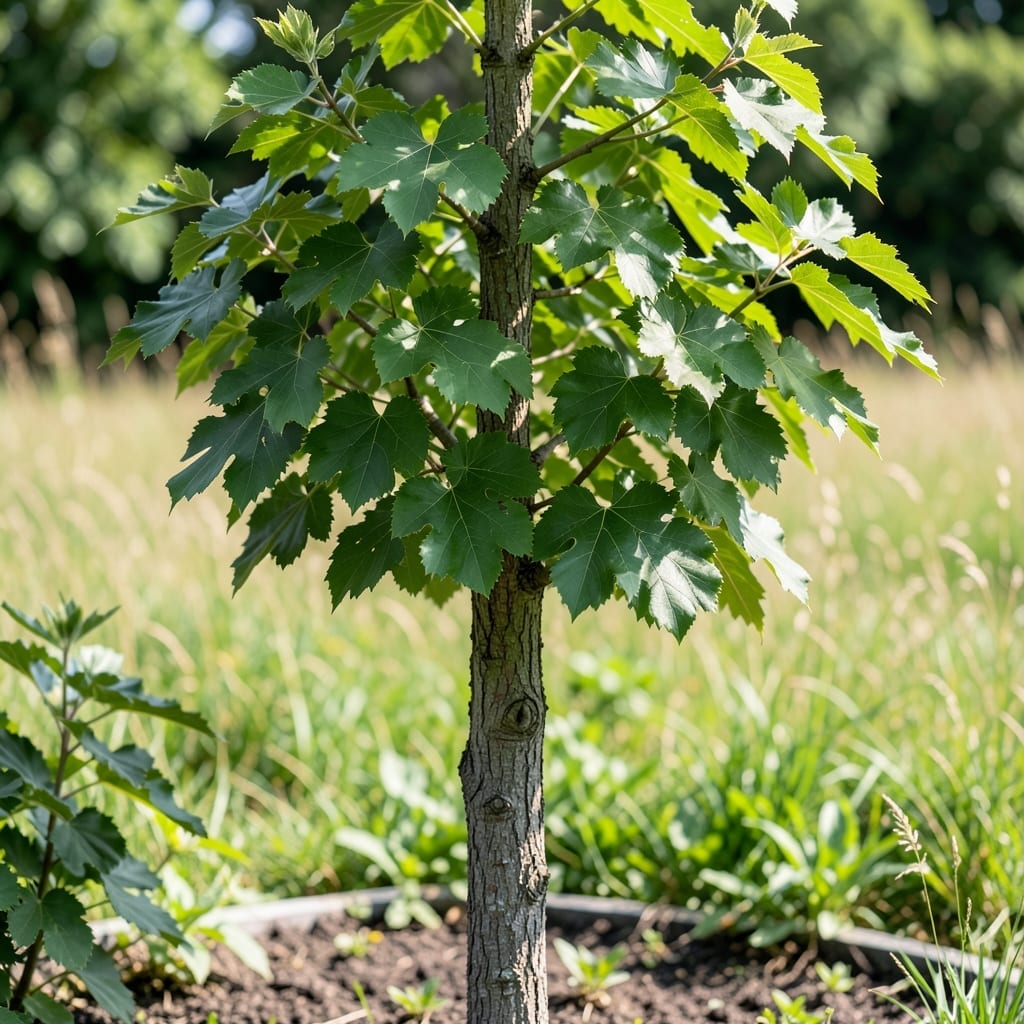
Mulberry trees are a favorite among gardeners for their fast growth and bountiful fruit, but just how quickly do they reach maturity?
Understanding the growth rate helps you plan your garden and enjoy harvests sooner. The 🌳 Mulberry can surprise you with its rapid development under the right conditions.
From planting in zones 4-8 to watching it thrive, the timeline might be shorter than you think. Many gardeners are amazed at how quickly their trees establish themselves.
Let me walk you through what to expect and how to give your Mulberry the best start for optimal growth this spring.


If you’re planting a mulberry tree, you’ll want to know how quickly it will grow. The growth rate of mulberries can vary based on several key factors. From my experience, variety, climate, and soil quality play huge roles in determining how fast your tree matures.
Different mulberry varieties grow at different speeds. For example, black mulberry tends to grow slower than white or red mulberry. Climate also impacts growth, as these trees thrive in USDA zones 4-8 with plenty of sunlight and moderate moisture.
Soil quality is another major factor. I always recommend well-draining soil with a pH of 6.0-7.0 for optimal growth. Mulberries aren’t too picky, but they do best when the soil is rich in organic matter and has good drainage.
Watering practices also affect the mulberry growth rate. Young trees need consistent moisture, about 1-2 inches per week, especially during the first growing season. Once established, they become more drought-tolerant, but regular watering still encourages faster growth.
Planting location matters more than you might think. I’ve seen mulberries struggle in shady spots, while those in full sun (6+ hours daily) can grow 2-3 feet per year under ideal conditions. Wind protection can also help young trees establish faster.
Don’t underestimate the power of proper spacing. Crowded trees compete for resources, which can slow growth. I recommend planting standard varieties 25-30 feet apart, while dwarf types can be spaced 10-15 feet apart.
Fertilization can give your mulberry a boost. I use a balanced 10-10-10 fertilizer in early spring, applying about 1 lb per inch of trunk diameter. Over-fertilizing can actually hinder growth, so always follow package instructions.
Pests and diseases can significantly slow growth. Keep an eye out for aphids, scale insects, and powdery mildew. Regular inspections and prompt treatment with neem oil or other organic solutions can keep your tree healthy and growing strong.
Finally, pruning plays a role in growth rate. While it might seem counterintuitive, proper pruning can actually stimulate faster growth by removing dead or diseased wood and shaping the tree for better air circulation and sunlight penetration. 🌳
I love watching mulberry trees transform from tiny saplings into towering fruit producers. Their growth timeline is remarkably fast compared to many other fruit trees, making them a rewarding choice for gardeners.
In the first year, expect your mulberry tree to reach 3-5 feet tall with proper care. By year two, it can nearly double in height, hitting 8-12 feet under ideal conditions.
The third year is when things get exciting. Your tree may reach 15-20 feet and could produce its first mulberry fruits, though full production typically starts around year five.
By year five, most mulberry varieties hit 25-30 feet tall and begin bearing abundant fruit. Standard varieties can eventually reach 40-60 feet, while dwarf types max out at 10-15 feet.
Remember that growth rates vary by variety and conditions. White mulberries often grow fastest, while black mulberries may be slightly slower but produce sweeter fruit.
For the quickest results, I recommend planting in full sun with well-draining soil and consistent watering. This optimal environment helps your mulberry tree reach its impressive mature height faster. 🌳