
Beautiful Plants For Your Interior
Beautiful Plants For Your Interior
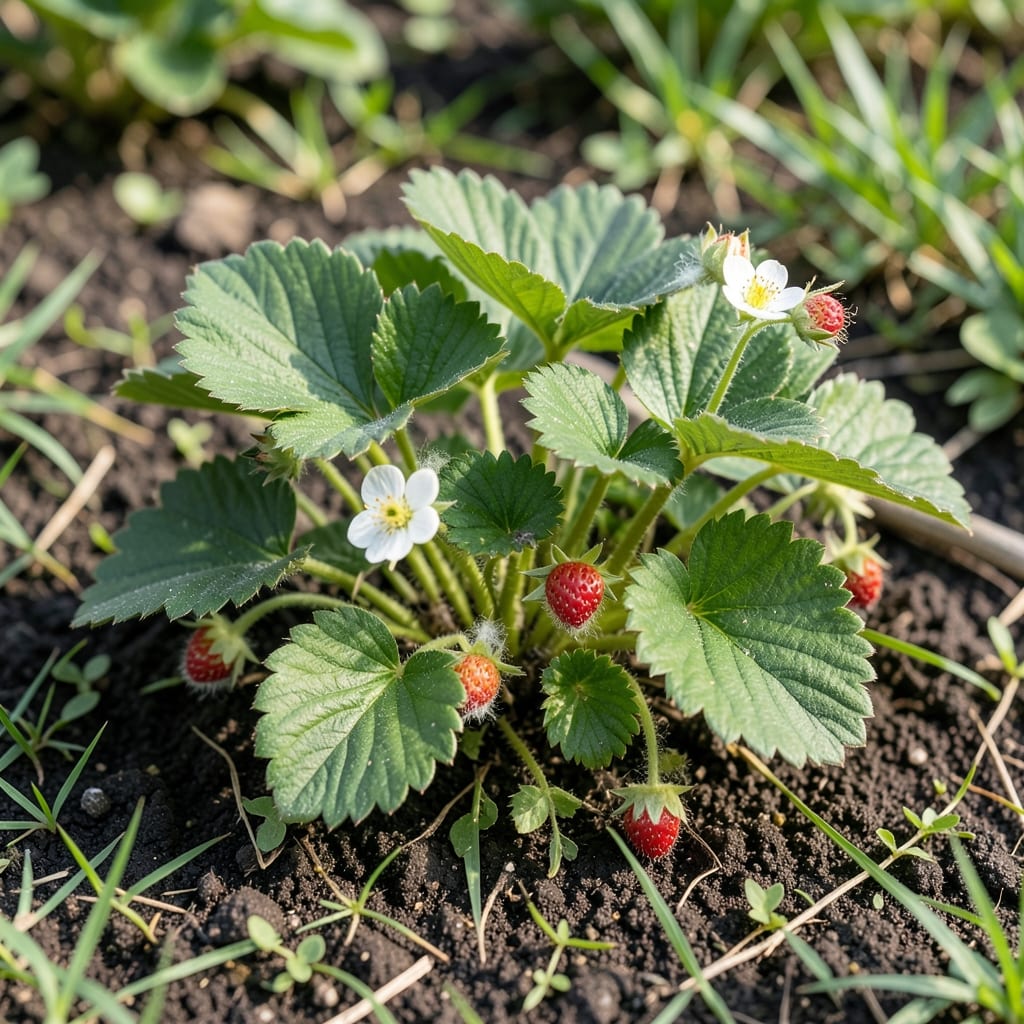
White fuzz on your plants isn’t just unsightly—it’s stealing their strength. I’ve battled this in my own garden and learned the hard way that quick action saves the whole bed.
It starts as cottony patches on stems and leaves, then spreads fast in cool, damp conditions. Left unchecked, it weakens plants and can kill them before you realize the full extent.
You’ll need to remove infected parts immediately and improve airflow. I use a simple baking soda spray that stops it in its tracks without harsh chemicals.
Prevention is easier than cure: space plants properly, water at the base, and keep the garden clean. This keeps your plants healthy all season long.
White mold outside thrives when conditions align perfectly for its growth. Understanding the root causes helps you disrupt its cycle and protect your plants. Here’s why it happens:
White mold (Sclerotinia sclerotiorum) flourishes in damp environments. Overwatering, poor drainage, or high humidity create the ideal breeding ground. Prolonged wetness on leaves or soil encourages spore germination and fungal spread.
This fungus prefers cooler temperatures between 50–75°F (10–24°C). Early spring or fall, when nights are chilly and dew lingers, are prime times for outbreaks. Warmth slows its growth, but it can persist in shaded, cool spots.
Decaying plant matter, like fallen leaves or mulch, provides nutrients for white mold. The fungus produces sclerotia—hard, black survival structures—that lie dormant in soil or debris until conditions improve. Cleaning up garden waste reduces this risk.
Poor air circulation traps moisture and limits sunlight, two factors that fuel white mold. Dense plantings or neglected pruning create microclimates where the fungus thrives. Thinning plants and improving airflow can starve it out.
Tackling white mold outside starts with pinpointing the cause and applying targeted fixes. Here’s a practical guide to restore your plants’ health.
If soggy soil is the culprit, stop watering immediately and let the area dry out. Remove affected plants to prevent spread. For potted plants, ensure containers have drainage holes. In garden beds, mix in compost or sand to improve drainage. Raise plant beds if water pools frequently.
Prevention tip: 💡 Water plants early in the day so foliage dries quickly, and space them properly for airflow.
White mold thrives on dead leaves and plant debris. Rake and remove fallen leaves, weeds, and spent plants from the garden. Avoid composting infected material—discard it in sealed bags. Practice crop rotation to prevent mold from recurring in the same soil.
Prevention tip: 🌡️ Mulch with cedar chips or straw to suppress spores while allowing soil to breathe.
Dense foliage traps moisture, creating a mold paradise. Thin out crowded plants to improve air circulation. Prune affected stems below the infection and sterilize tools with rubbing alcohol between cuts. For shrubs or trees, trim inner branches to open the canopy.
Prevention tip: ✨ Choose disease-resistant plant varieties and maintain proper spacing from the start.
For active infections, spray plants with a baking soda solution (1 tbsp baking soda, 1 tsp dish soap, 1 gallon of water) or neem oil weekly until the mold clears. For severe cases, use a copper-based fungicide, following label instructions carefully.
Prevention tip: 🎯 Apply preventative fungicides early in the growing season if white mold is a recurring issue.
Most outdoor molds are harmless but avoid direct contact. Wear gloves when removing infected plants and wash hands thoroughly afterward.
Yes, it spreads easily through spores. Remove and destroy infected parts immediately to prevent contamination. Keep tools clean between uses.
Never compost moldy material—it survives and spreads. Seal it in plastic bags and discard with household trash instead.
In ideal cool, damp conditions, visible growth can appear within 2–3 days. Act quickly at first signs to stop the spread.