
Beautiful Plants For Your Interior
Beautiful Plants For Your Interior
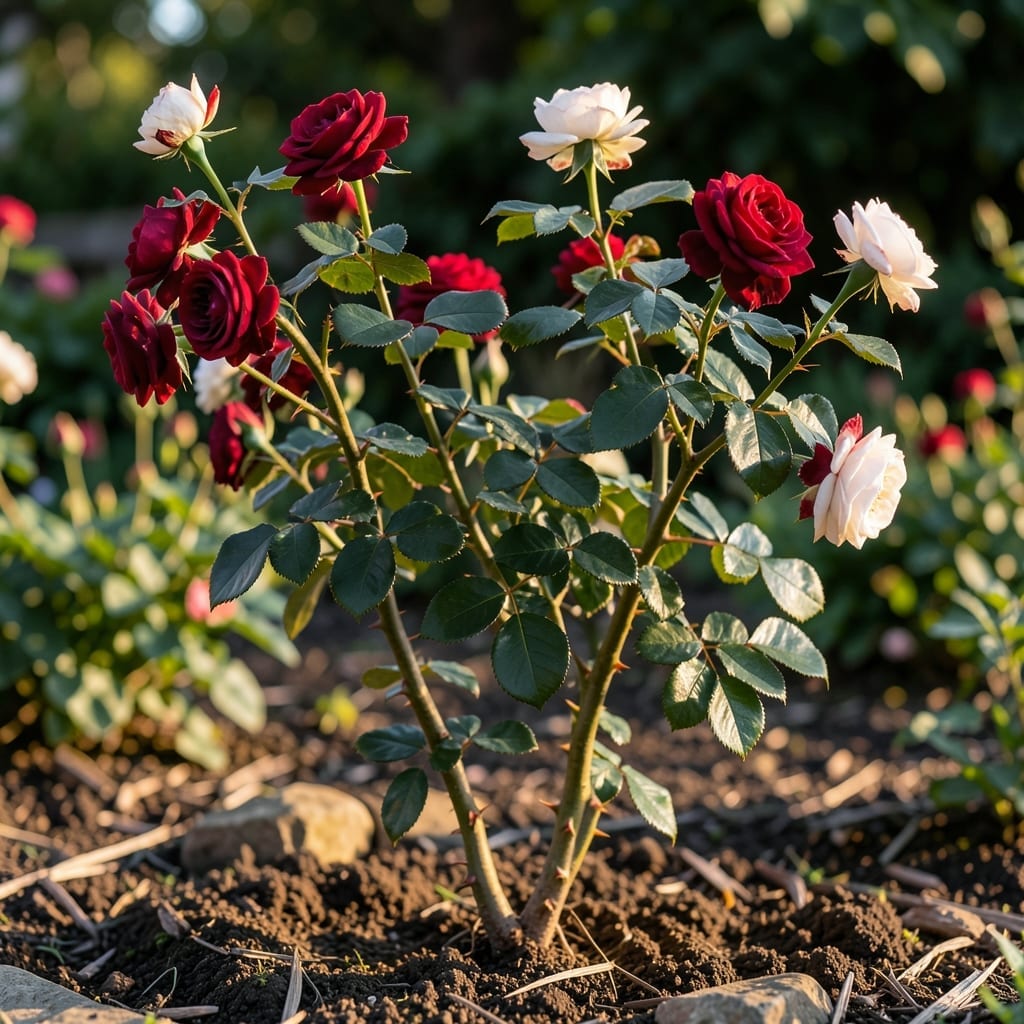
White blooms tucked beside roses create magic I didn’t expect. The contrast makes both shine brighter, filling gaps between rose canes with delicate texture.
This pairing works because the little flowers soften the roses’ bold structure. They also attract pollinators that boost your entire garden’s productivity.
You’ll notice more visual depth and extended color from early spring through fall. Even when roses rest, their white companions keep the show going.
Perfect for borders, cutting gardens, or that sunny spot needing a little more charm. Here’s how to make it work.
The appearance of white little flowers alongside roses often happens due to natural ecological, aesthetic, or horticultural factors. These pairings aren’t accidental—they’re usually the result of intentional design or environmental conditions that favor co-existence. Below are the primary reasons this elegant combination thrives in gardens. Let’s dig into the science and art behind it! 🌿
Many white flowering plants, like baby’s breath (Gypsophila) or sweet alyssum, have shallow root systems that don’t compete aggressively with roses for nutrients. Roses, with their deeper roots, can coexist peacefully with these companions. This symbiotic relationship allows both to flourish without stunting each other’s growth.
Gardeners and landscape designers often pair white flowers with roses to create visual contrast and harmony. The bright, delicate white blooms highlight the bold colors and textures of roses, making the display more dynamic. This is a classic technique in color theory, where white acts as a neutral backdrop to amplify the vibrancy of neighboring plants.
White flowers, especially those with a sweet fragrance, attract pollinators like bees and butterflies. When planted near roses, they can boost pollination rates for the entire garden. Many white flowers also bloom at different times than roses, ensuring a continuous food source for pollinators throughout the growing season.
Roses and many white flowering plants share similar soil pH preferences (slightly acidic to neutral) and sunlight requirements (full sun to partial shade). This compatibility makes them ideal companions. For example, shasta daisies and lamb’s ear thrive in the same conditions as most rose varieties, reducing the need for separate care routines.
If your white little flowers with roses aren’t thriving together, these targeted fixes will help restore balance and beauty to your garden. Below are common issues and their solutions, plus tips to prevent future problems.
Fix: Thin out the plants to give each enough space to breathe. For roses, maintain a distance of at least 2-3 feet between bushes. Smaller white flowers (like baby’s breath or alyssum) can be spaced 6-12 inches apart. This reduces competition for sunlight and nutrients.
Prevention: Plan your garden layout in advance, considering the mature size of each plant. Use companion planting guides to ensure compatibility.
Fix: Test your soil to identify deficiencies. Roses often need more phosphorus for blooming, while white flowers may require balanced NPK ratios. Apply a slow-release fertilizer tailored to flowering plants, or amend the soil with compost for a natural boost.
Prevention: Feed your garden with a general-purpose flower fertilizer every 4-6 weeks during the growing season. Avoid over-fertilizing, which can lead to leafy growth at the expense of blooms.
Fix: Roses prefer deep, infrequent watering (about 1-2 inches per week), while smaller white flowers may need more frequent, lighter watering. Use a drip irrigation system to deliver water directly to the roots and avoid wetting the foliage, which can invite disease.
Prevention: Mulch around the base of plants to retain moisture and regulate soil temperature. Group plants with similar water needs together for easier maintenance.
Fix: Inspect leaves and stems regularly for aphids, spider mites, or powdery mildew. Treat affected plants with neem oil or insecticidal soap, and remove heavily infested areas to prevent spread. For fungal issues, improve air circulation by pruning dense foliage.
Prevention: Encourage beneficial insects like ladybugs and lacewings by planting pollinator-friendly flowers nearby. Keep the garden clean by removing fallen leaves and debris where pests can hide.
💡 Pro Tip: Pair roses with drought-tolerant white flowers like shasta daisies or lamb’s ear to minimize watering conflicts and create a low-maintenance, stunning display.
Baby’s breath, sweet alyssum, and shasta daisies complement roses beautifully. These have shallow roots and similar sun needs, creating harmony without competition.
Space roses 2-3 feet apart and smaller white flowers 6-12 inches apart. This prevents overcrowding while allowing both to thrive.
Actually, they often repel pests! Many white blooms draw beneficial insects like ladybugs, which naturally control aphids and mites.
Not always. Pair early bloomers like alyssum with late roses for continuous color. Check bloom times to extend your garden’s display season.