
Beautiful Plants For Your Interior
Beautiful Plants For Your Interior
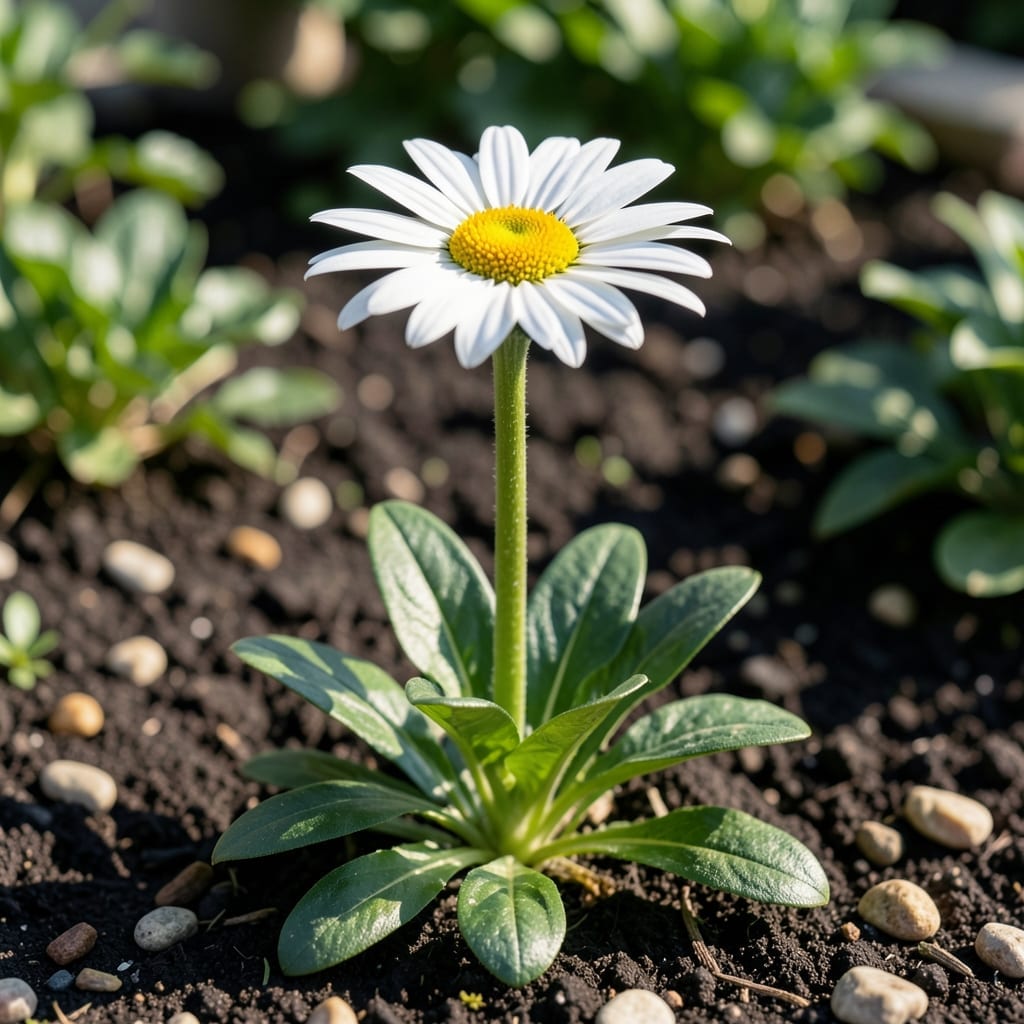
Shasta daisies brighten any garden with their classic white-and-yellow blooms, but their sun needs often spark confusion among gardeners. Getting the light right is the key to vibrant, long-lasting flowers.
I’ve seen too many 🌼 Shasta Daisy plants struggle in the wrong conditions. While they love sunshine, there’s more to the story than just full exposure. The truth might surprise you.
Understanding their ideal light conditions can make or break your garden display. Whether you have a sunny backyard or a partially shaded space, there’s a way to make these beauties thrive.
Discover how to give your Shasta Daisies exactly what they need for those stunning summer-to-fall blooms. Let’s set the record straight.

If you’re wondering do Shasta daisies need full sun, the answer is a resounding yes. These cheerful perennials thrive with 6+ hours of direct sunlight daily, producing their signature white blooms with golden centers most abundantly in bright conditions.
In my experience, full sun exposure from morning to afternoon brings out the best in Shasta daisies. They’ll reward you with larger flowers, stronger stems, and more prolific blooming throughout the growing season.
| Requirement | Specification |
|---|---|
| Ideal Light | Full sun |
| Minimum Hours | 6+ daily |
| Partial Shade Tolerance | Yes, but fewer blooms |
| Best Direction | South-facing |
While Shasta daisies can tolerate partial shade, they’ll produce noticeably fewer flowers. In shadier spots, expect weaker stems and smaller blooms, though the plants themselves will still grow.
I’ve found that morning sun is particularly beneficial. It helps dry dew from the leaves quickly, reducing the risk of fungal diseases that can plague these plants in damp conditions.
For gardeners in hotter climates (USDA zones 8-9), a bit of afternoon shade can actually be beneficial. This protects the flowers from scorching while still providing enough light for robust growth.
The quality of sunlight matters too. Shasta daisies do best in bright, direct light rather than the filtered light you might find under trees. Even in partial shade, ensure they’re getting some direct sun each day.
If you’re planting in containers, remember that pots can heat up quickly. I recommend placing them where they’ll get morning sun and some afternoon protection to prevent root stress.
For the most spectacular display, aim for that sweet spot of 6-8 hours of sunlight. You’ll be rewarded with abundant blooms from early summer through fall, making these daisies a garden standout.☀️
Remember, while Shasta daisies are adaptable, their flower production is directly tied to sunlight. The more sun they receive (within reason), the more they’ll bloom and brighten your garden.🌼
While Shasta daisies thrive in full sun, they can still flourish in partial shade with the right adjustments. I’ve found that 4-6 hours of sunlight is often enough to keep them blooming beautifully.
One key is choosing the brightest spot available in your garden. Even in partial shade, morning sun is ideal because it’s less intense and allows the plants to dry quickly, reducing disease risks.
If your garden has dappled shade from trees, Shasta daisies can adapt well. Just ensure they receive direct sunlight for at least part of the day to encourage strong stems and abundant flowers.
I’ve noticed that plants in partial shade may grow taller and leggier as they stretch toward the light. To prevent flopping, I recommend staking them early or planting them near a fence for support.
Another trick is to prune nearby trees or shrubs to allow more light to reach your daisies. Even a small increase in sunlight can make a big difference in flower production and overall plant health.
Finally, don’t forget to monitor soil moisture closely. Shaded areas can stay damp longer, which might require adjusting your watering schedule to avoid over-saturating the roots. ☀️