
Beautiful Plants For Your Interior
Beautiful Plants For Your Interior
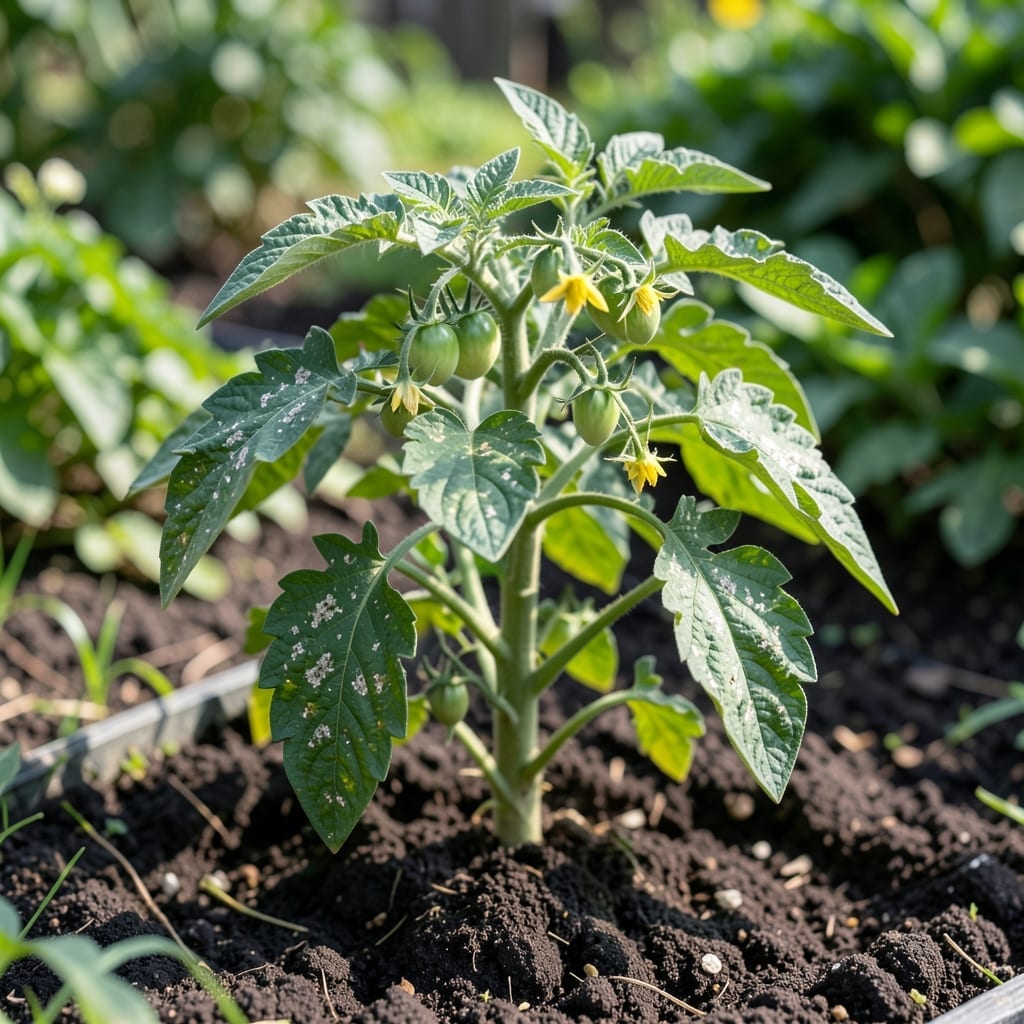
White leaves on your plants aren’t just unsightly—they’re a cry for help. I’ve seen this issue derail entire growing seasons when ignored, but the fix is often simpler than you think.
Most cases trace back to pests, fungal issues, or nutrient imbalances. The key is diagnosing early before the problem spreads to healthy foliage. A little investigation now saves weeks of recovery later.
Natural solutions work best for long-term plant health. Neem oil, balanced fertilizers, and proper watering habits tackle the root causes without harsh chemicals.
Prevention starts with observation. Regular checks and good growing conditions keep your plants vibrant and thriving.
White leaves on plants are often a sign of underlying issues that disrupt normal chlorophyll production or leaf function. Below are the most common causes, explained with actionable insights.
Chlorosis, or the loss of green pigment, can turn leaves white or pale yellow. This often happens due to a lack of nitrogen, iron, or magnesium. Nitrogen is essential for chlorophyll synthesis, while iron and magnesium are critical for enzyme functions in photosynthesis. Test your soil and amend it with organic compost or a balanced fertilizer to restore nutrients.
Excessive sunlight, especially in young or tender plants, can bleach leaves white. This happens because the intense light degrades chlorophyll faster than the plant can replace it. Shield plants with shade cloth or move potted plants to indirect light. Acclimate seedlings gradually to full sun to prevent shock.
Powdery mildew and downy mildew are common culprits behind white, powdery, or patchy leaf discoloration. These fungi thrive in humid, poorly ventilated conditions. Improve air circulation, avoid overhead watering, and apply neem oil or copper-based fungicides as a preventive measure.
Sap-sucking pests like whiteflies, mealybugs, and spider mites can drain plant fluids, leading to white or stippled leaves. Inspect the undersides of leaves for tiny insects or webbing. Treat infestations with insecticidal soap or introduce beneficial predators like ladybugs.
Sudden cold snaps or frost can damage leaf tissues, causing them to turn white or translucent. Protect plants with frost blankets or move them indoors during unexpected temperature drops. Tropical plants are especially sensitive to chilly drafts.
White leaves on your plants are a cry for help, but don’t worry—most causes can be fixed with a few simple steps. Below, we break down the most common issues and their practical solutions, plus tips to keep it from happening again.
If the white patches appear dry or papery, your plant may be getting too much direct sunlight. Move it to a spot with bright, indirect light or use a sheer curtain to filter harsh rays. Gradually reintroduce sunlight to help the plant acclimate.
Prevention tip 💡: Rotate potted plants weekly so all sides receive even light exposure.
This fungal disease looks like white dust on leaves. Remove affected leaves and treat the plant with a mix of 1 teaspoon baking soda + 1 quart water + a few drops of dish soap. Spray weekly until the mildew clears.
Prevention tip 🌡️: Improve air circulation around plants and avoid overhead watering to reduce moisture buildup.
Mealybugs, spider mites, or whiteflies can leave white residue or cottony spots. Wipe leaves with a cotton swab dipped in rubbing alcohol (70% isopropyl) to kill pests on contact. For severe cases, use neem oil spray every 5–7 days.
Prevention tip 🎯: Inspect new plants before bringing them home, and quarantine infested ones immediately.
White or yellow-white leaves may signal a lack of iron, magnesium, or nitrogen. Use a balanced, water-soluble fertilizer and follow package instructions. For iron deficiency, add chelated iron to the soil.
Prevention tip ✨: Test your soil annually and amend it with compost for a nutrient boost.
White or translucent leaves can result from exposure to cold drafts or frost. Move plants indoors or to a warmer area, and trim damaged foliage to redirect energy to healthy growth.
Prevention tip 🔥: Keep tropical plants away from windows during cold snaps, and use mulch to protect outdoor plants.
Check leaf undersides for tiny insects or webbing (pests). If leaves have powdery coating or spots, it’s likely fungal.
Yes! Overwatering leads to root rot, which prevents nutrient uptake and can result in pale or white leaves.
Damaged leaves usually won’t recover fully, but new growth will be healthy once the issue is resolved.
Pests and fungal diseases can spread. Isolate affected plants and treat immediately to prevent contamination.