
Beautiful Plants For Your Interior
Beautiful Plants For Your Interior
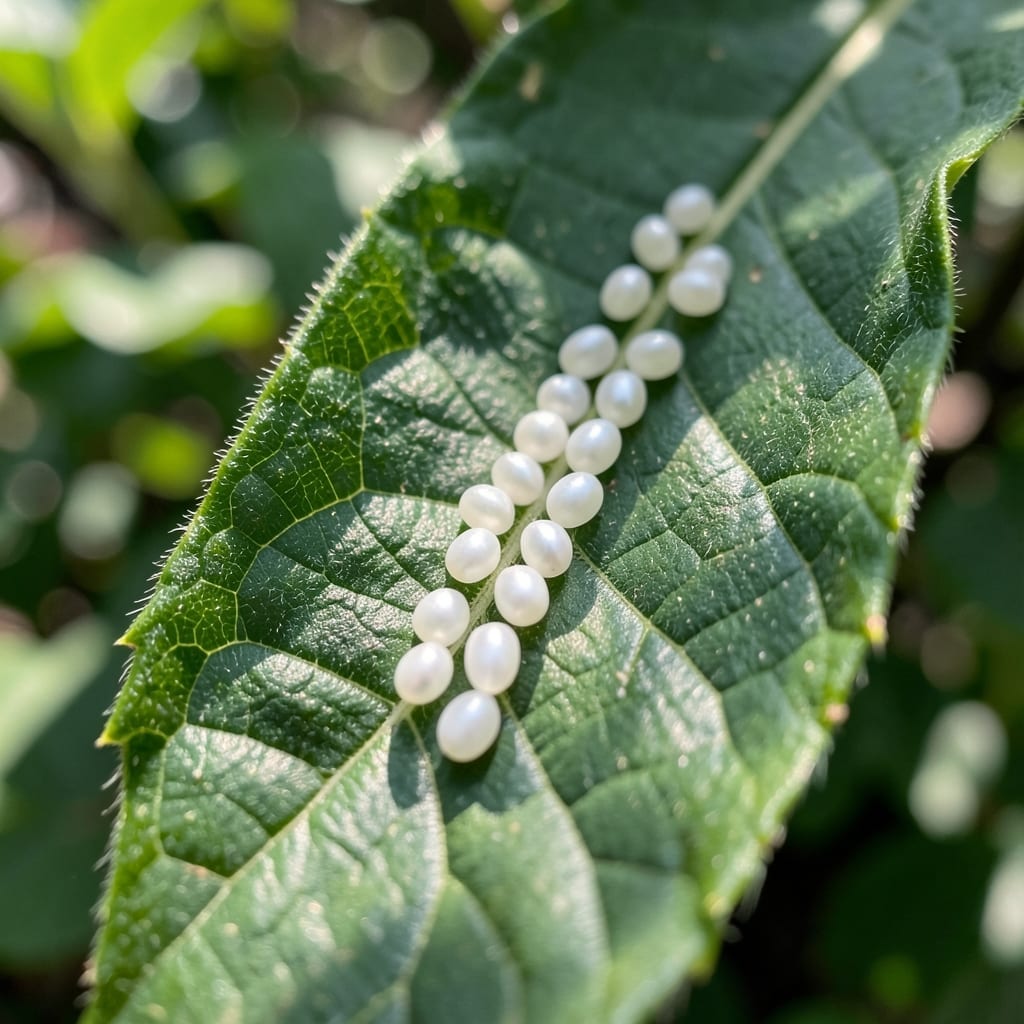
Spotted white dots on your leaves? That’s trouble brewing. I’ve seen these clusters wipe out entire plants in a week if ignored, turning vibrant foliage into a bug buffet.
These eggs belong to pests like aphids, whiteflies, or scale insects. Each species leaves a distinct pattern—clusters, spirals, or single rows—but all spell bad news for your plants’ health.
Left untreated, they hatch into leaf-sucking machines that weaken growth and spread disease. The good news? You can stop them with simple, non-toxic solutions before they multiply.
Identification is your first defense. Here’s how to spot the culprits and evict them for good.
White insect eggs on plant leaves often appear due to pest activity, but the exact cause varies by species and environment. Below are the most common reasons, explained with actionable insights.
Many insects, like aphids, whiteflies, and scale insects, lay white or translucent eggs as part of their life cycle. These pests target leaves because they provide shelter, moisture, and a food source for hatching larvae. For example, aphids deposit clusters on the undersides of leaves, where they’re less exposed to predators and weather.
Plants under stress—due to drought, overwatering, or poor soil health—emit chemical signals that attract egg-laying insects. Weak plants lack the vigor to fend off pests, making them prime targets. Similarly, overcrowded gardens reduce airflow, creating a humid microclimate that pests like mealbugs and spider mites thrive in.
In ecosystems where beneficial insects (e.g., ladybugs, lacewings) are absent, pest populations explode unchecked. Without predators to consume eggs and larvae, insects like cabbage moths or thrips lay eggs freely. This imbalance often occurs in gardens treated with broad-spectrum pesticides, which kill helpful insects alongside pests.
Warm, humid weather accelerates insect reproduction. Temperatures between 70–85°F (21–29°C) and high humidity create perfect conditions for pests like whiteflies to lay eggs on leaves. Stagnant air (common in greenhouses or dense plantings) further encourages infestations by limiting egg desiccation.
Dealing with white insect eggs on leaves in your pond area doesn’t have to mean reaching for harsh chemicals. Here’s how to tackle the problem safely and effectively, with solutions tailored to common causes and prevention tips to keep them from returning.
If the eggs are clustered on the undersides of leaves, they’re likely from aphids or scale insects. Snip off heavily infested leaves and drop them into a sealed bag to prevent hatching. For remaining eggs, spray leaves with a mix of 1 teaspoon mild soap and 1 liter of water. Reapply every 3–4 days until gone.
Prevention: Encourage natural predators like ladybugs by planting nectar-rich flowers nearby. 💡 Pro tip: Avoid over-fertilizing, as lush growth attracts aphids.
White eggs laid in floating clusters on pond water are probably from mosquitoes or midges. Remove them with a fine net or a spoon, then dispose of them far from water. For standing water, add a small fountain or aerator to disrupt the surface—mosquitoes won’t lay eggs in moving water.
Prevention: Keep pond edges clean and avoid stagnant water. Introduce fish like gambusia, which love eating insect eggs! ✨
Fluffy white masses on stems or leaf joints are a sign of mealybugs. Dip a cotton swab in 70% isopropyl alcohol and dab the eggs directly. For larger infestations, wipe leaves with a cloth soaked in the same solution. Alcohol evaporates quickly, so it won’t harm plants.
Prevention: Inspect new plants before adding them to your pond area. Isolate affected plants until the eggs are gone. 🎯
Check the egg arrangement and location. Aphids leave clusters on leaf undersides, while scale insects attach eggs in rows along stems. Mealybugs produce fluffy white masses in leaf joints.
Yes, most hatch within 3-10 days depending on temperature and species. The resulting larvae will immediately start damaging your plants by feeding on sap.
Avoid vinegar—it can harm plant tissues. Instead, use a 1% soap solution or 70% alcohol for safe removal. Always test on a small area first.
Prune infested leaves immediately and dispose of them in sealed bags. Introduce natural predators like ladybugs to break the pest life cycle.